
.jpg?crc=3972686183)
12 / 12
⊳
⊲
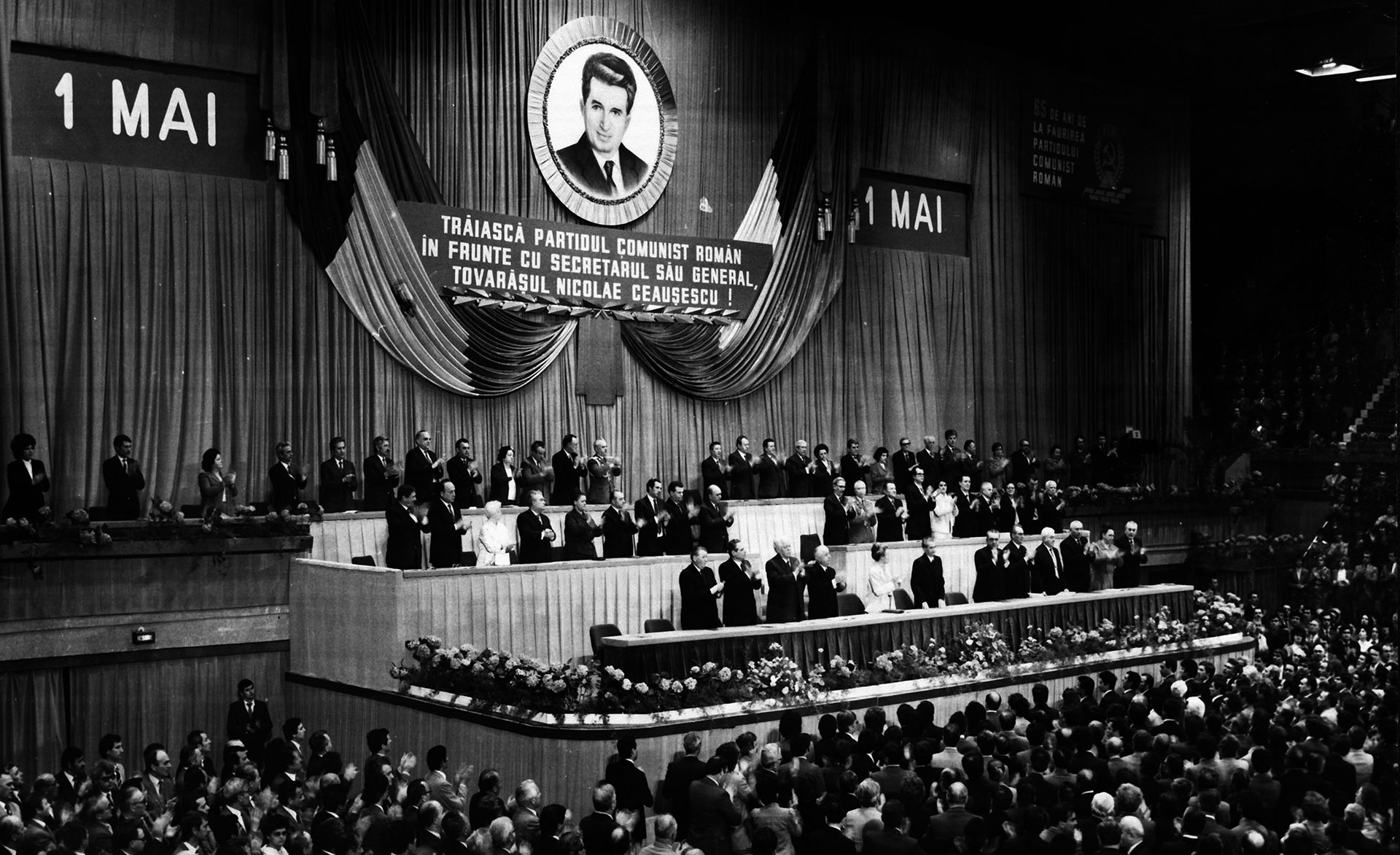
1986 - 1st of May congress
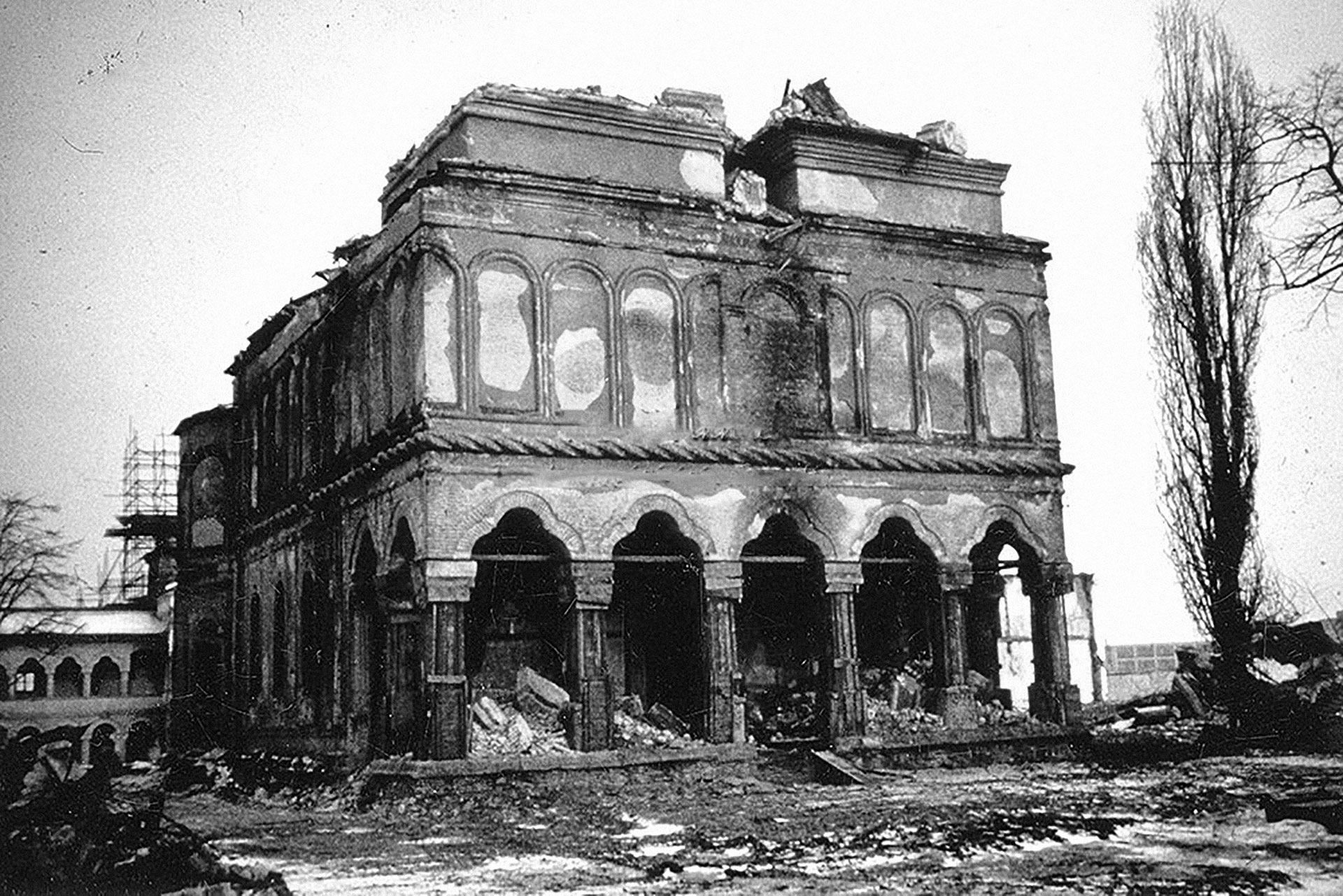
18th of March 1984 - The destruction of the Biserica Albă-Postăvari Church
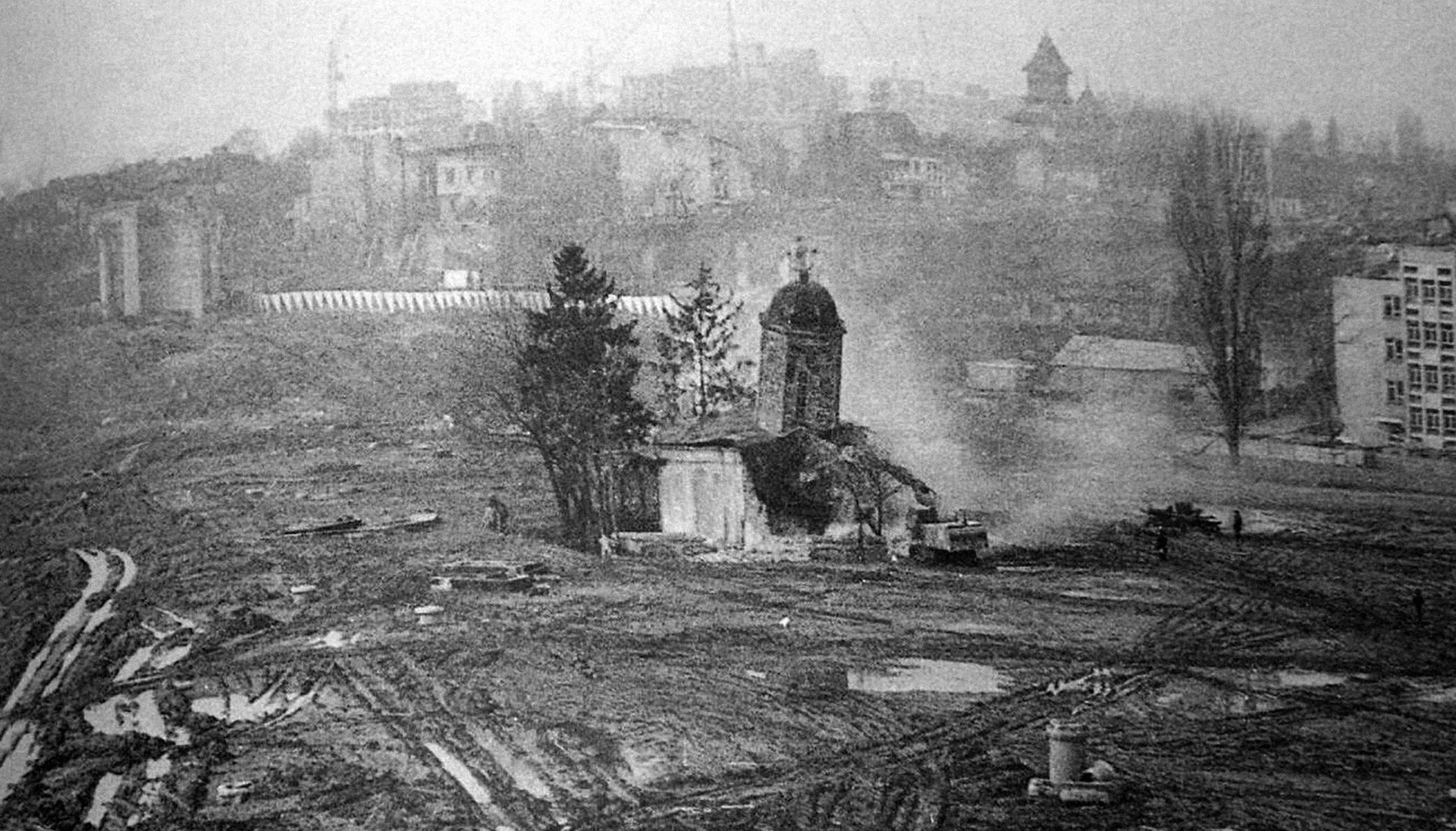
1986 - Văcărești Monastery being demolished
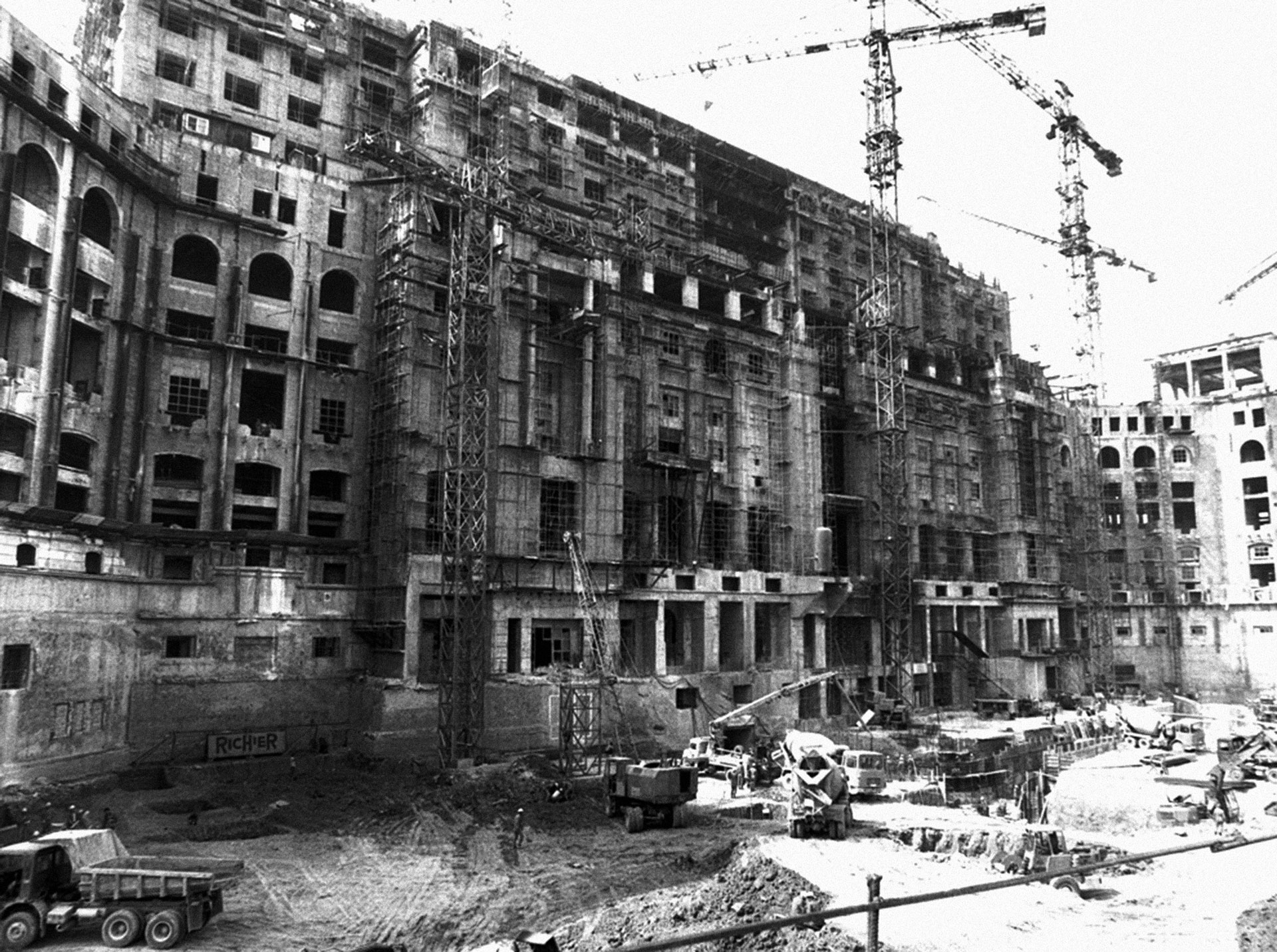
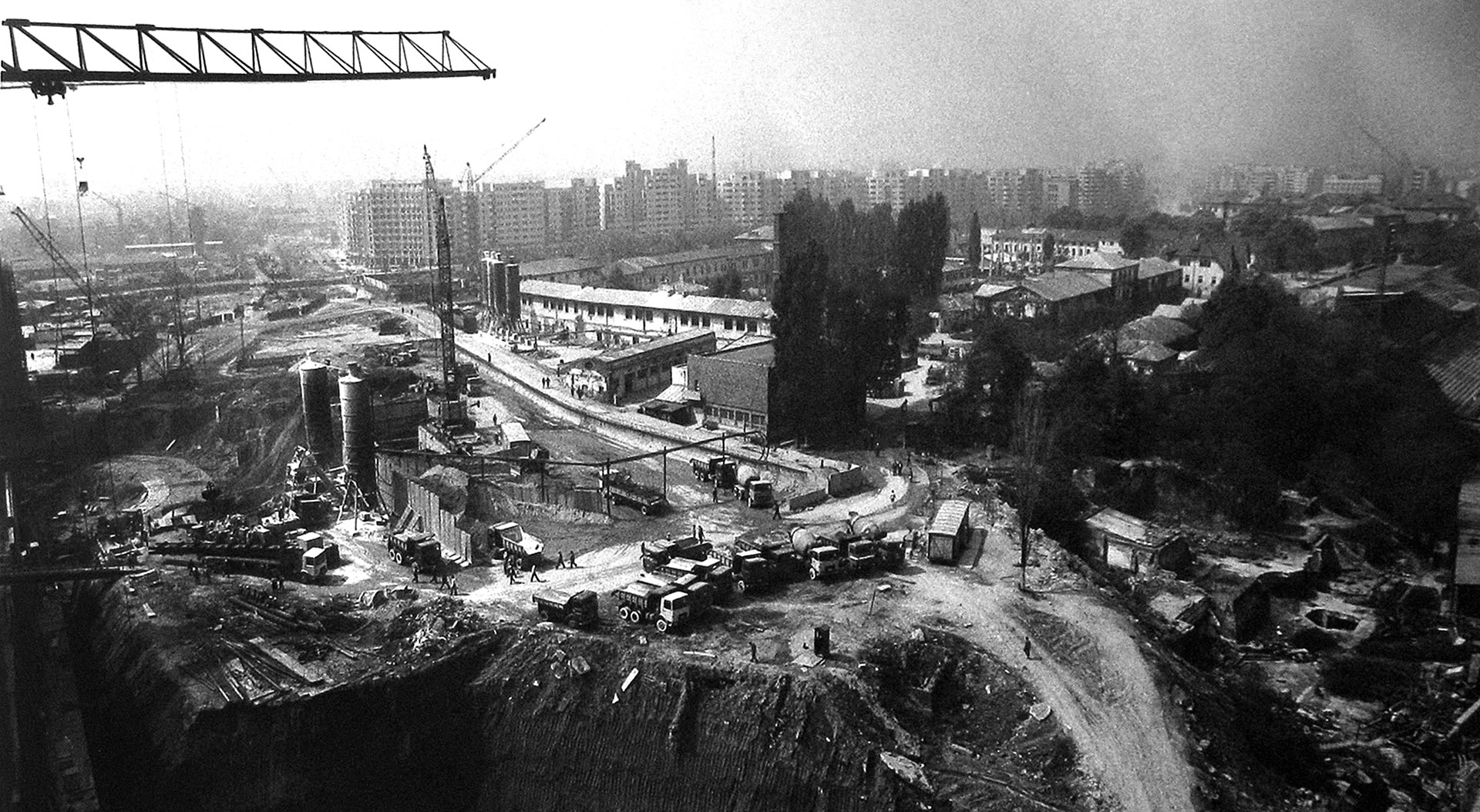
1987 - The People's House construction site
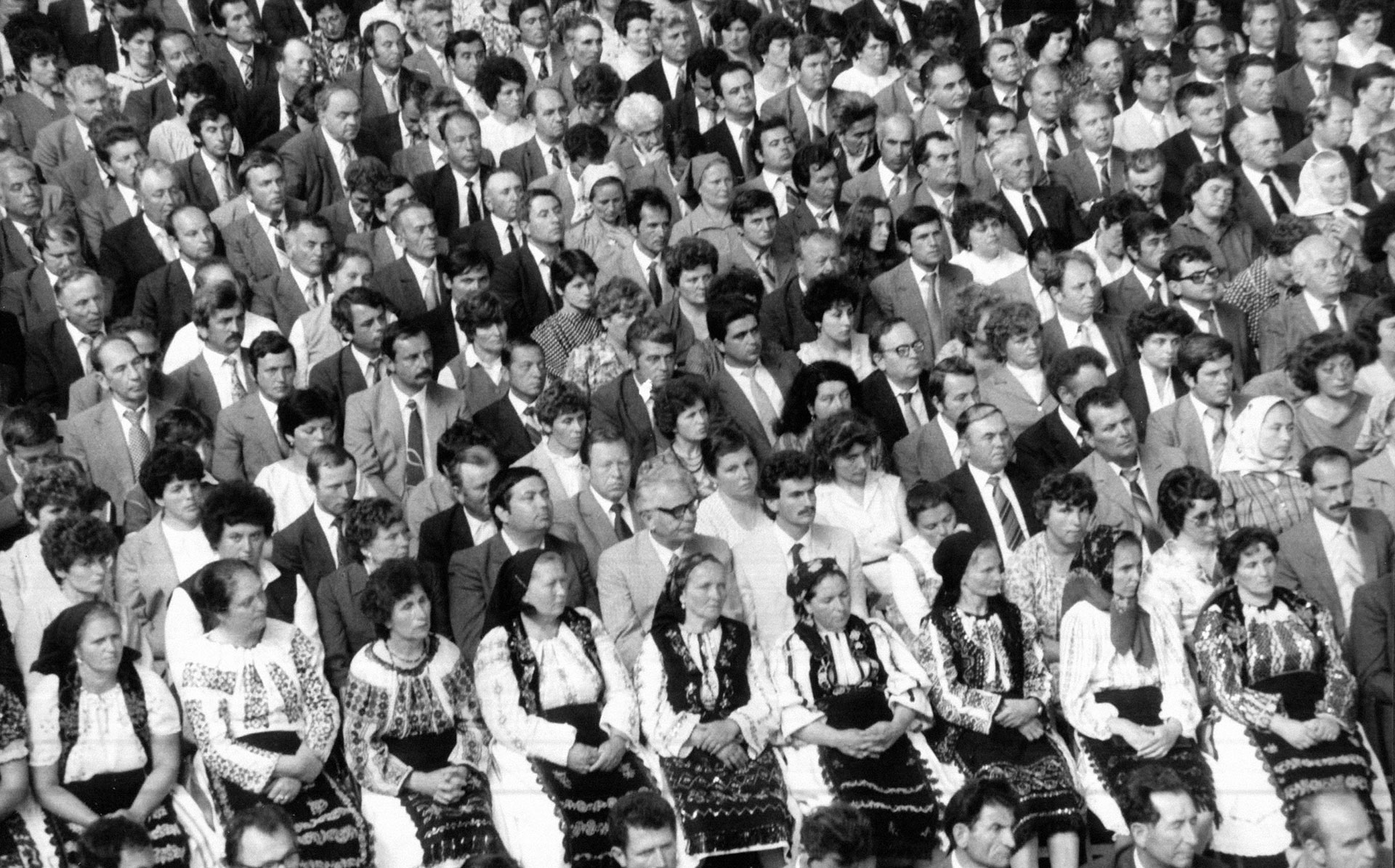
1986 - Public meeting
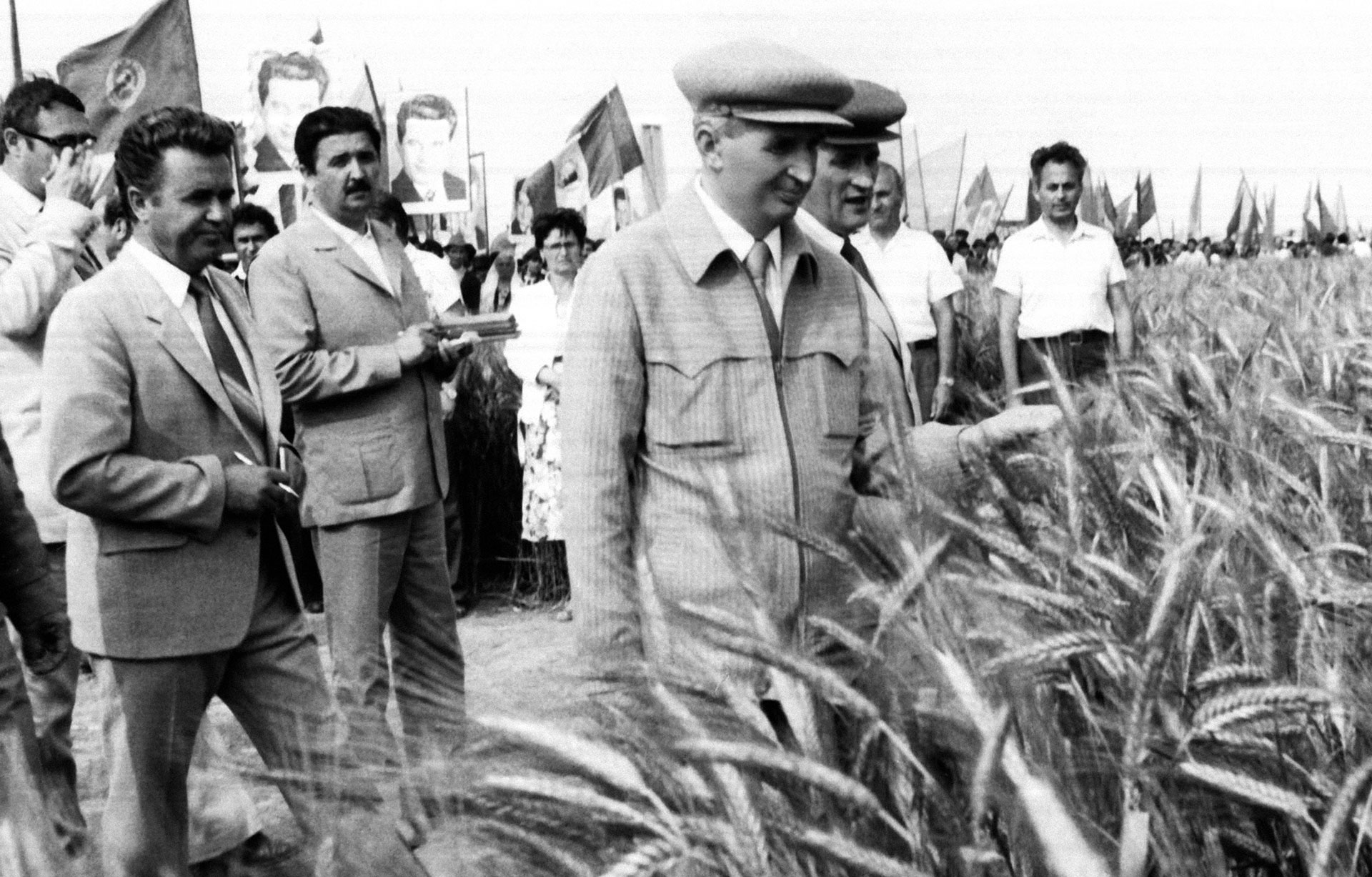
1986 - Nicolae Ceauşescu on a 'work visit'
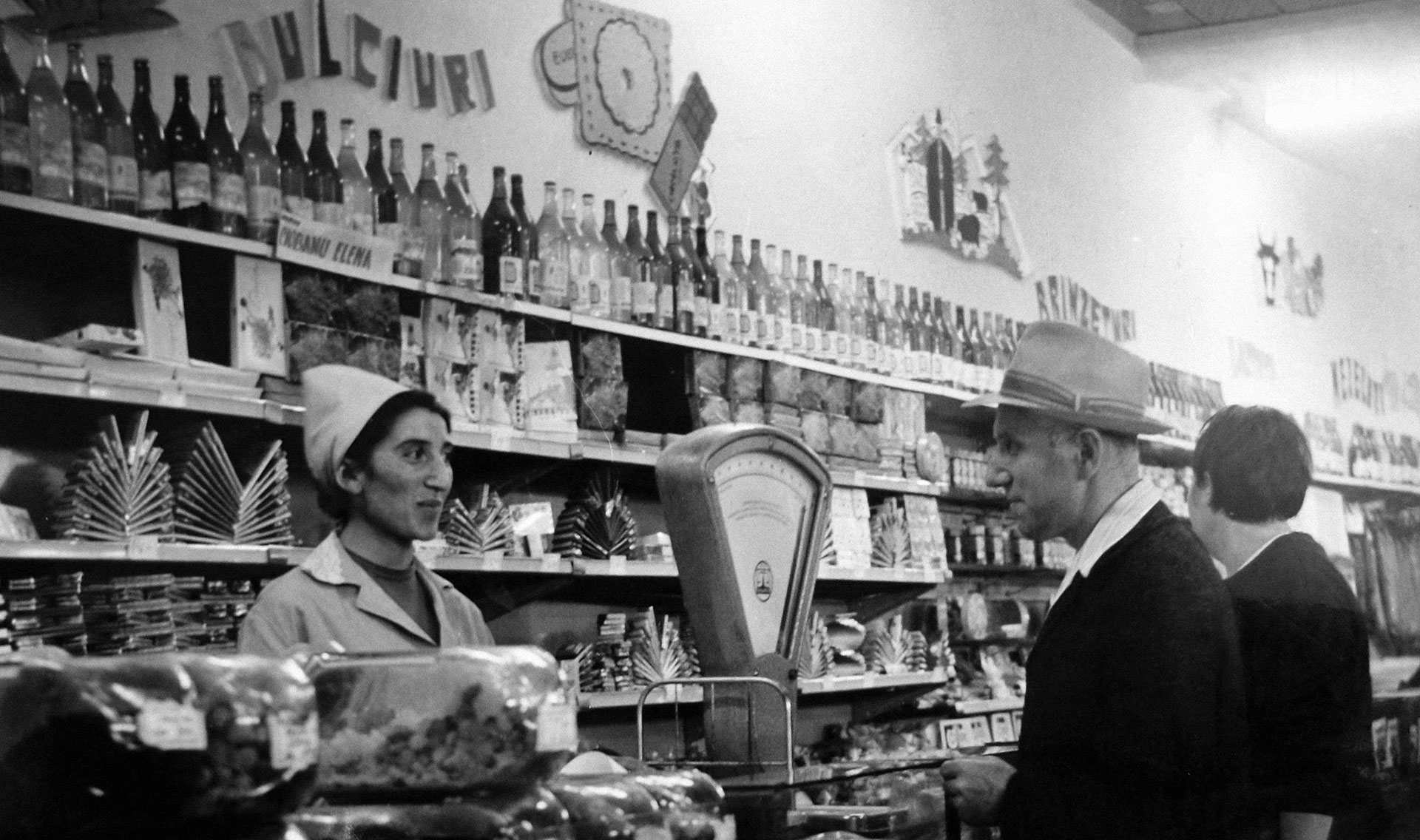
1980 - State owned food store
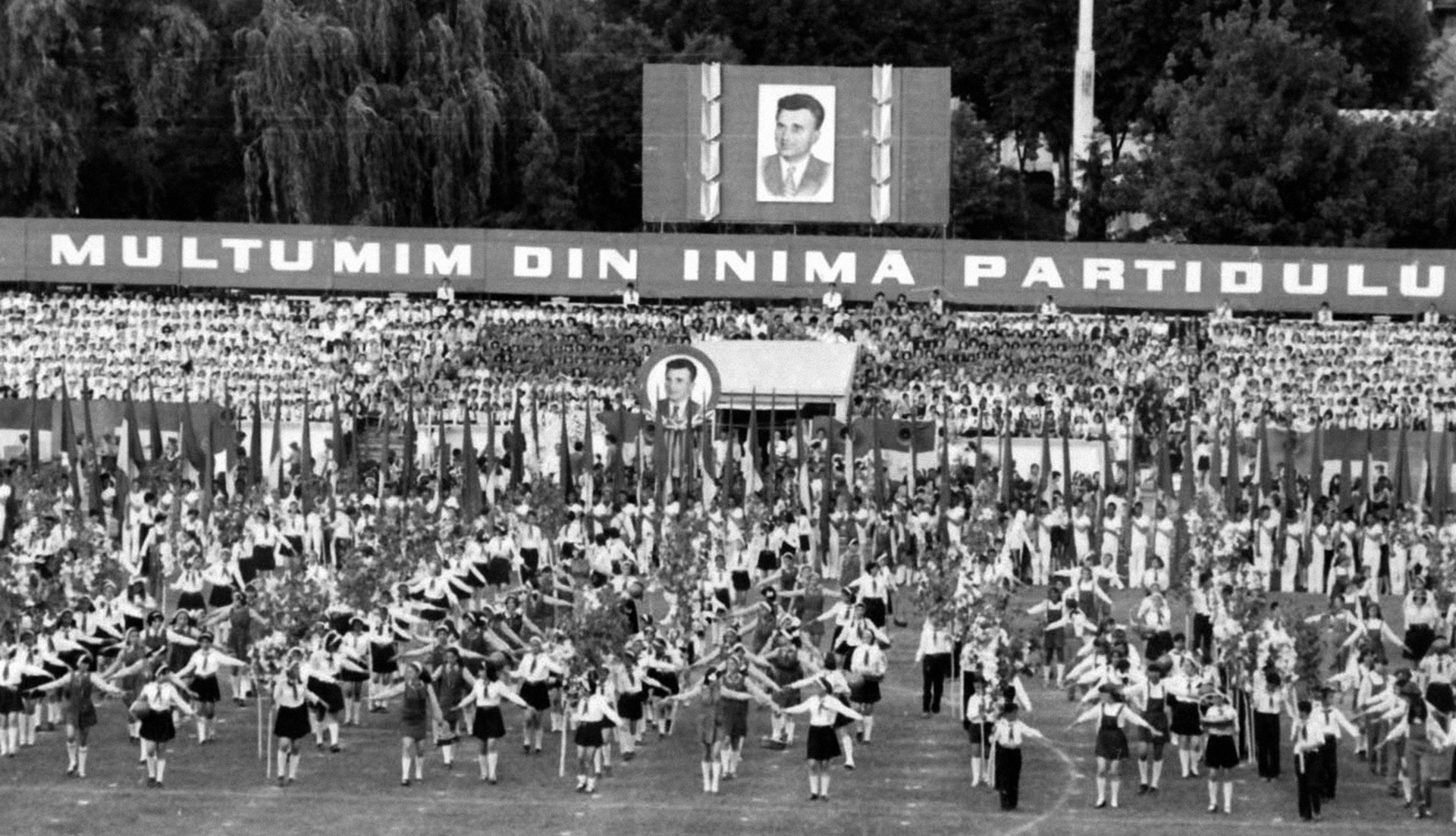
Image from the 'Pioneer Day' in Bucharest celebration on Dinamo Stadium in Bucharest
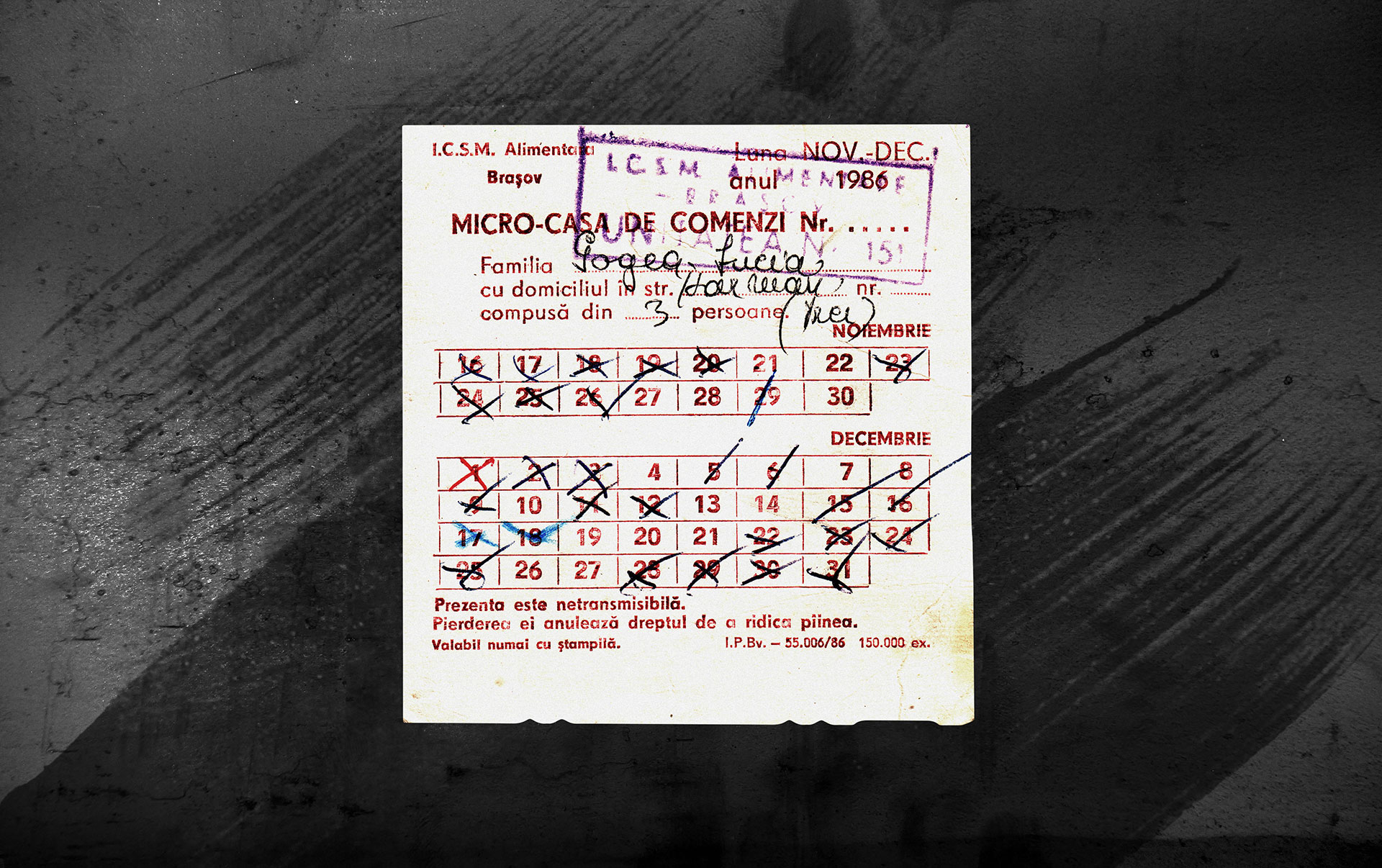
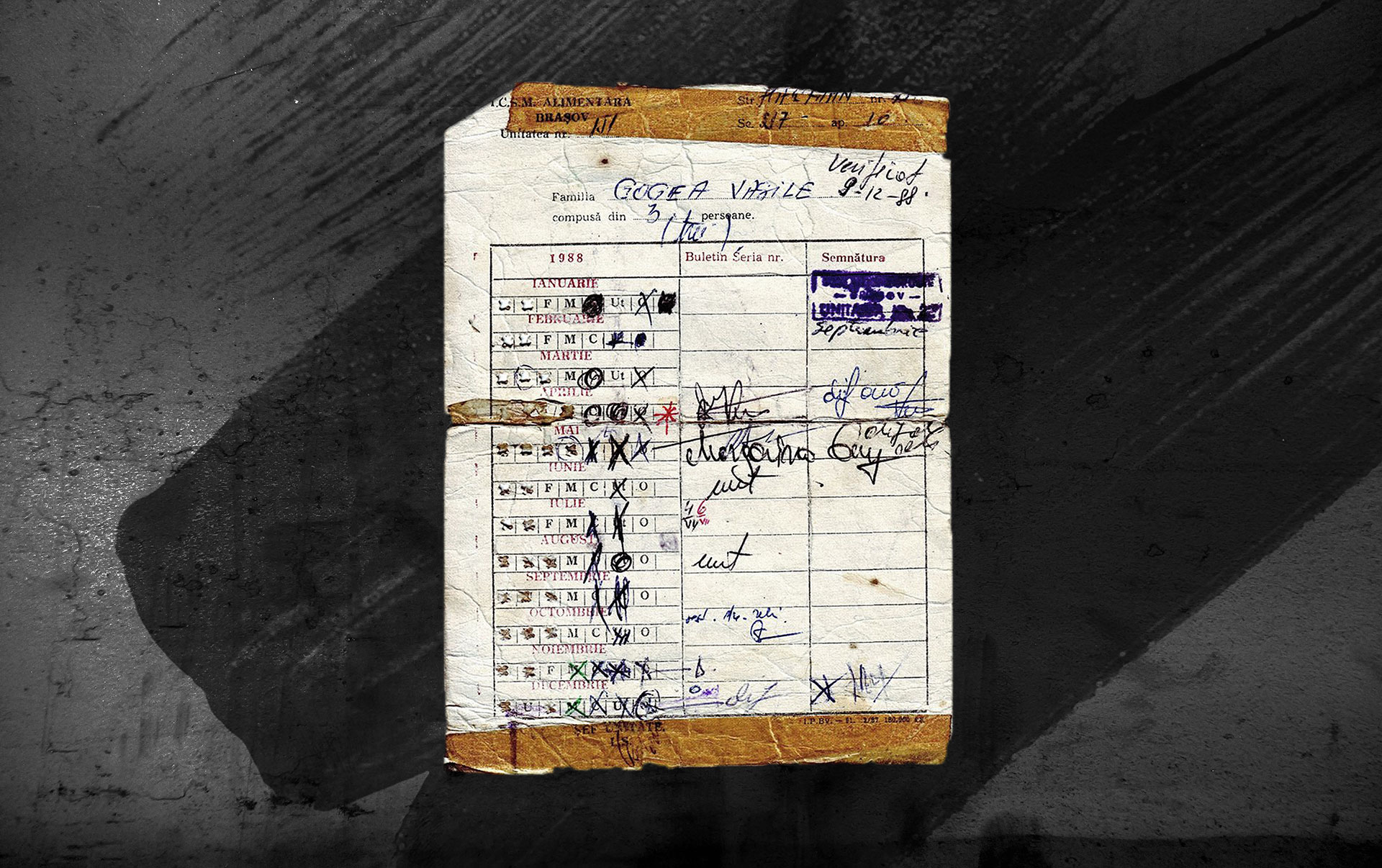
1986-1988 - Ration cards for bread, vegetable oil, and sugar
1986-1988 - Ration cards for bread, vegetable oil, and sugar
The People's House construction site
1980 - Rovinari power plant
The general crisis that characterized the regime culminated in the last years of communism. The 1970s saw massive investments being made at a loss, as well as food shortages and a general lack of any type of product on the market.
In spite of limited resources, Nicolae Ceauşescu started a vast program of systematization. Entire neighborhoods were demolished and concrete blocks of flats were built instead. In the countryside, around 6.000 villages were destroyed. The 1966 decree banning abortion led to a population boom, but also to a rise in the number of institutionalized children, who had to endure disastrous conditions in care centers. At the same time, the mortality rate was high.
Although officially the regime denied the existence of political prisoners, during Ceauşescu's regime, there were people who were imprisoned for political reasons in Aiud penitentiary. In some cases, opponents and dissidents were forcibly thrown into psychiatric wards or convicted on charges of criminal offences.