12 / 12
⊳
⊲
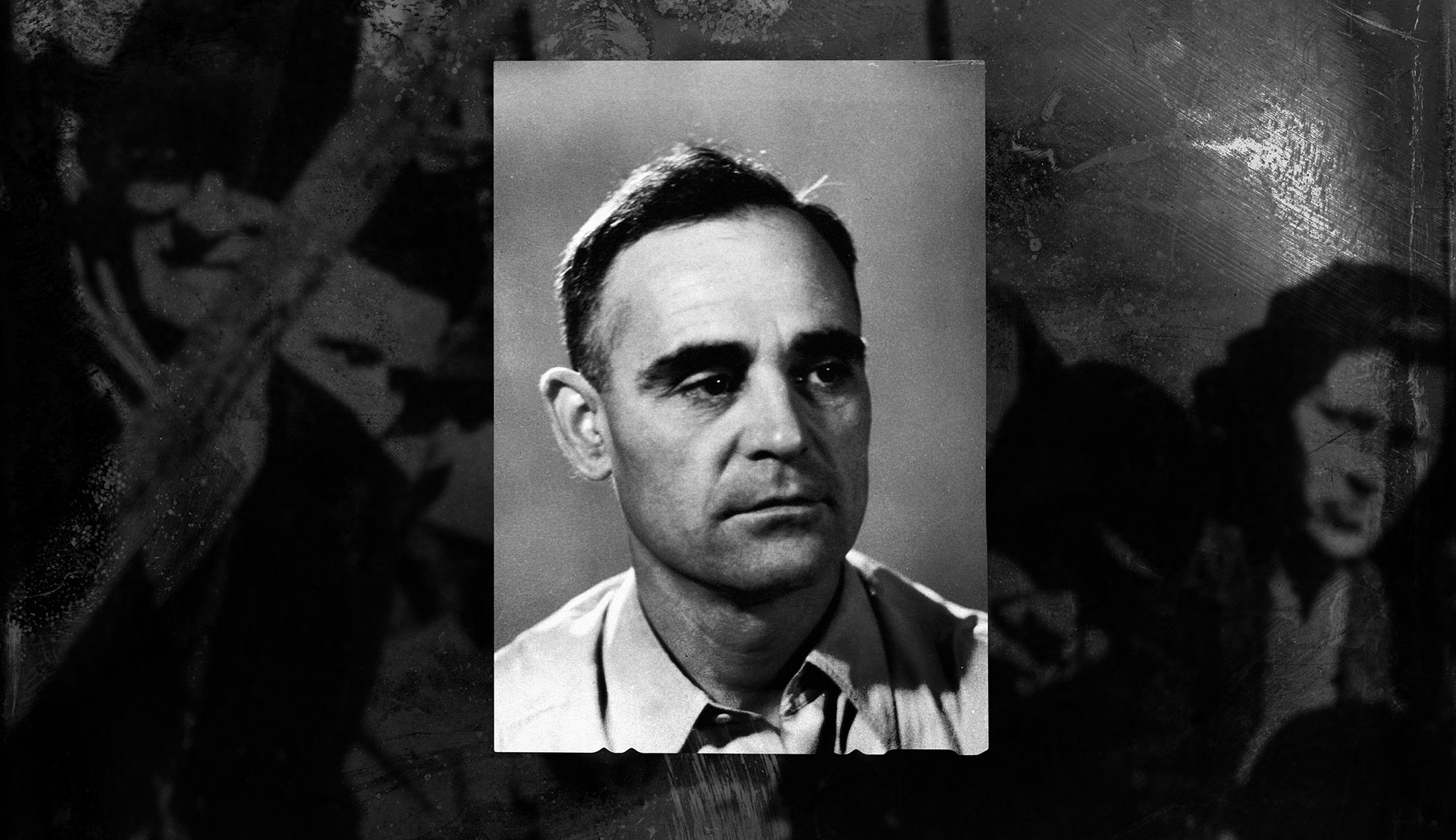
Gheorghe Gheorghiu Dej
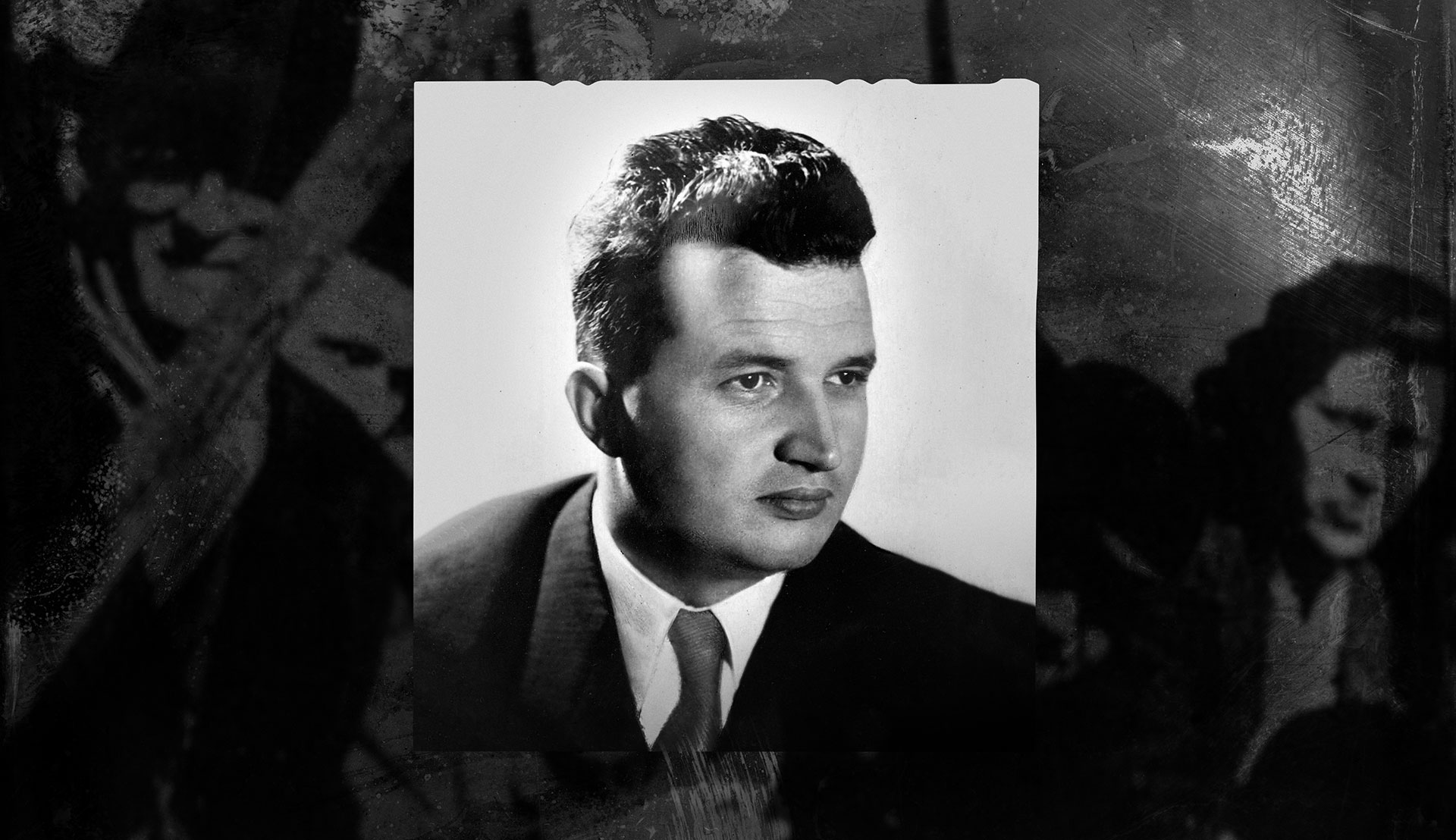
Nicolae Ceauşescu
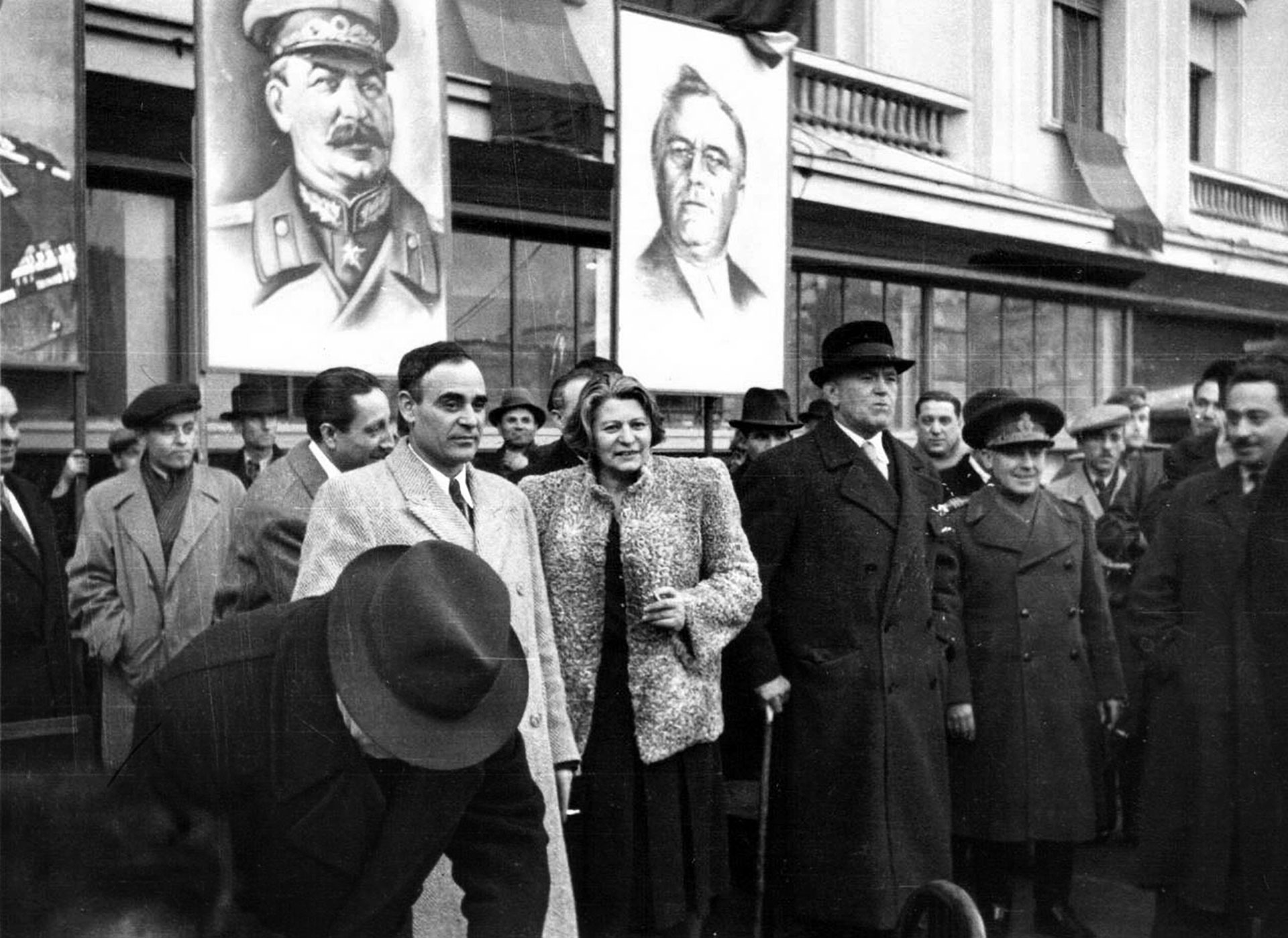
21st of September 1946 - Members of the Romanian government delegation that attended the Paris Peace Conference, seen in Predeal.
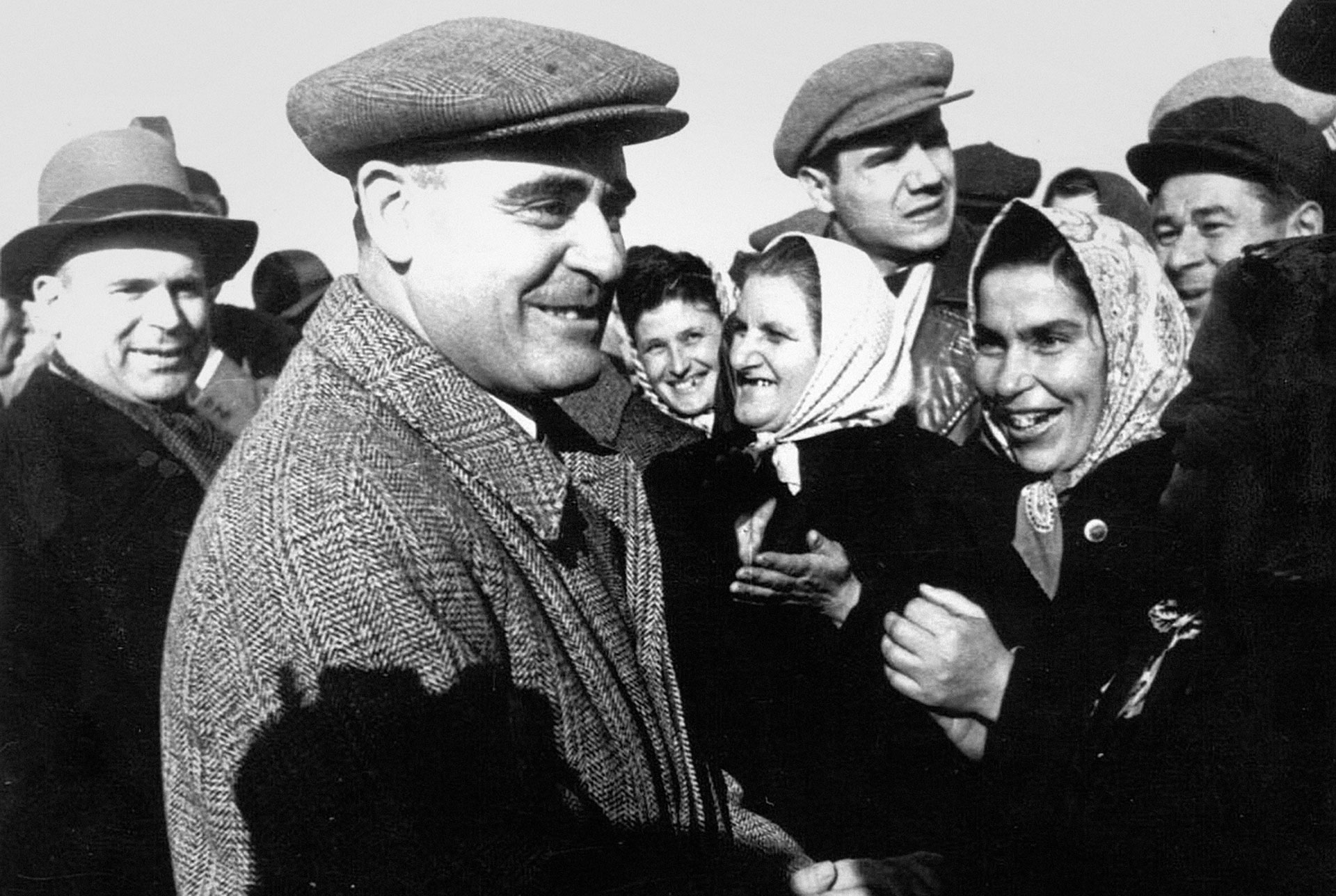
3rd of December 1950 - Gh.Gheorghiu Dej at Voting Section 426 in Bucharest (16 February sector, later Gheorghe Gheorghiu Dej sector).
14th of March 1945 - F.N.D. Rally at a festival celebrating Northern Transylvania reuniting with democratic Romania. Images from Palace Square.
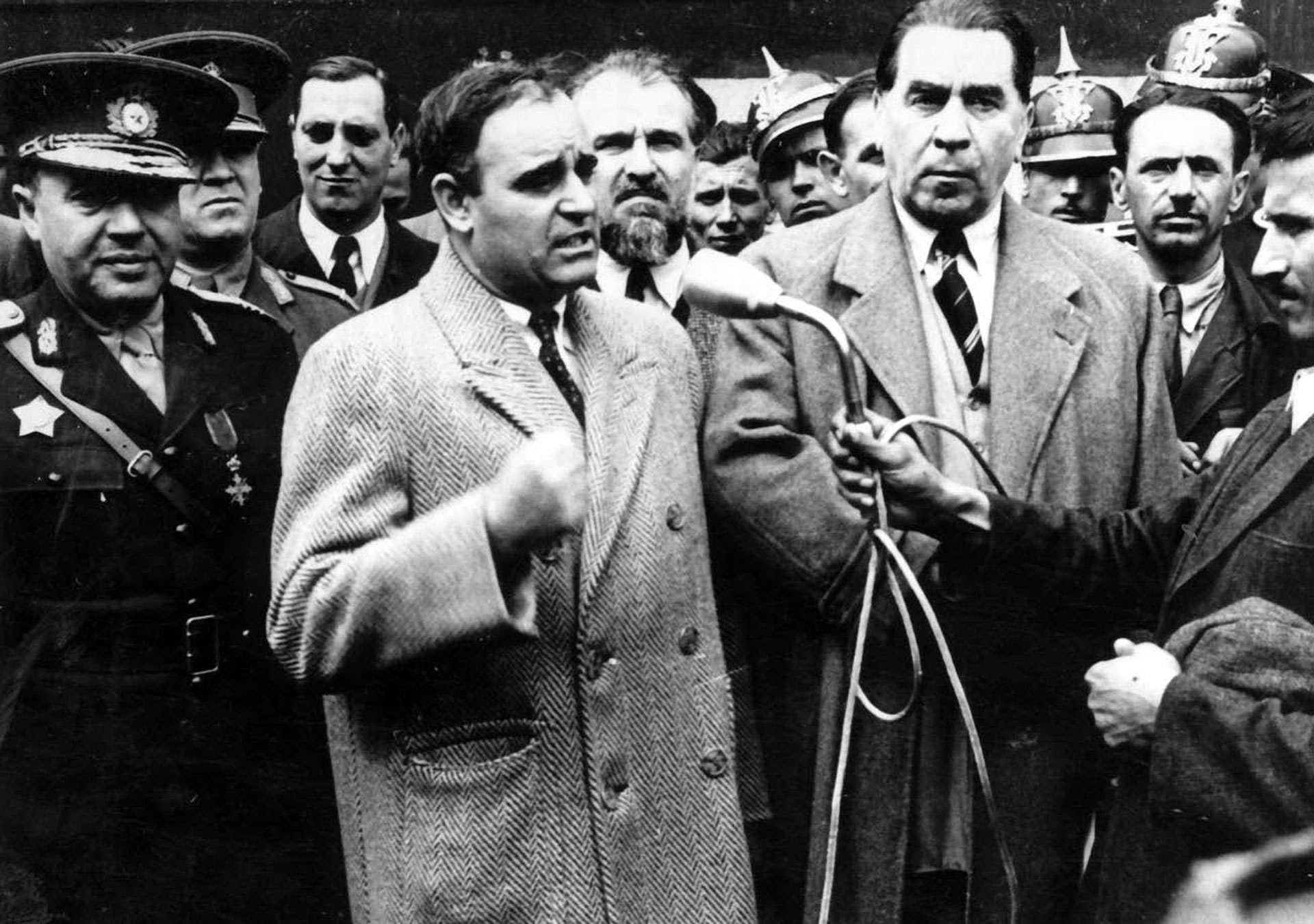
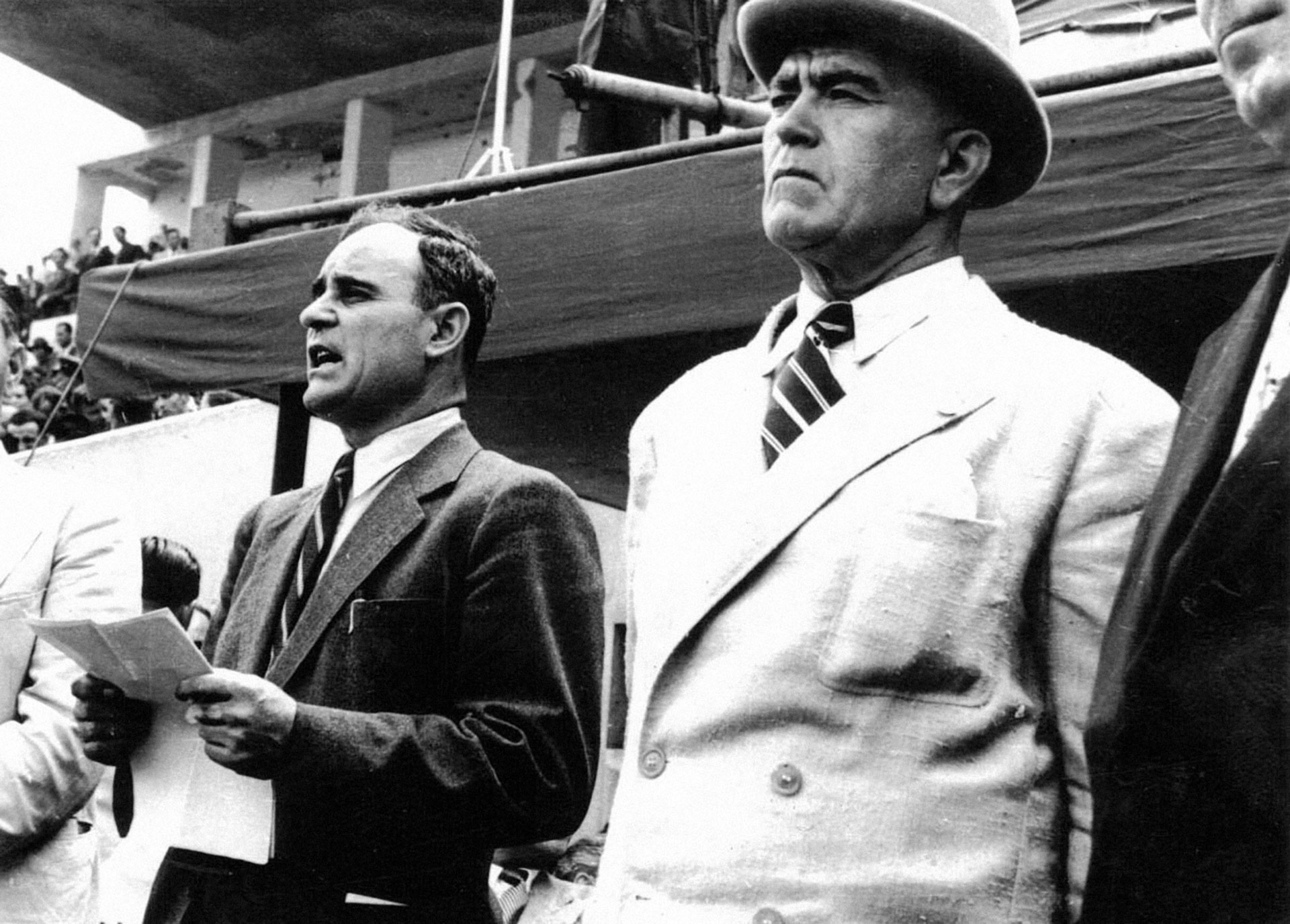
24th of June 1945 - Gh.Gheorghiu Dej speaking at the Plowman's Front Congress held on the A.N.E.F. Stadium in Bucharest (Petru Groza to the right)
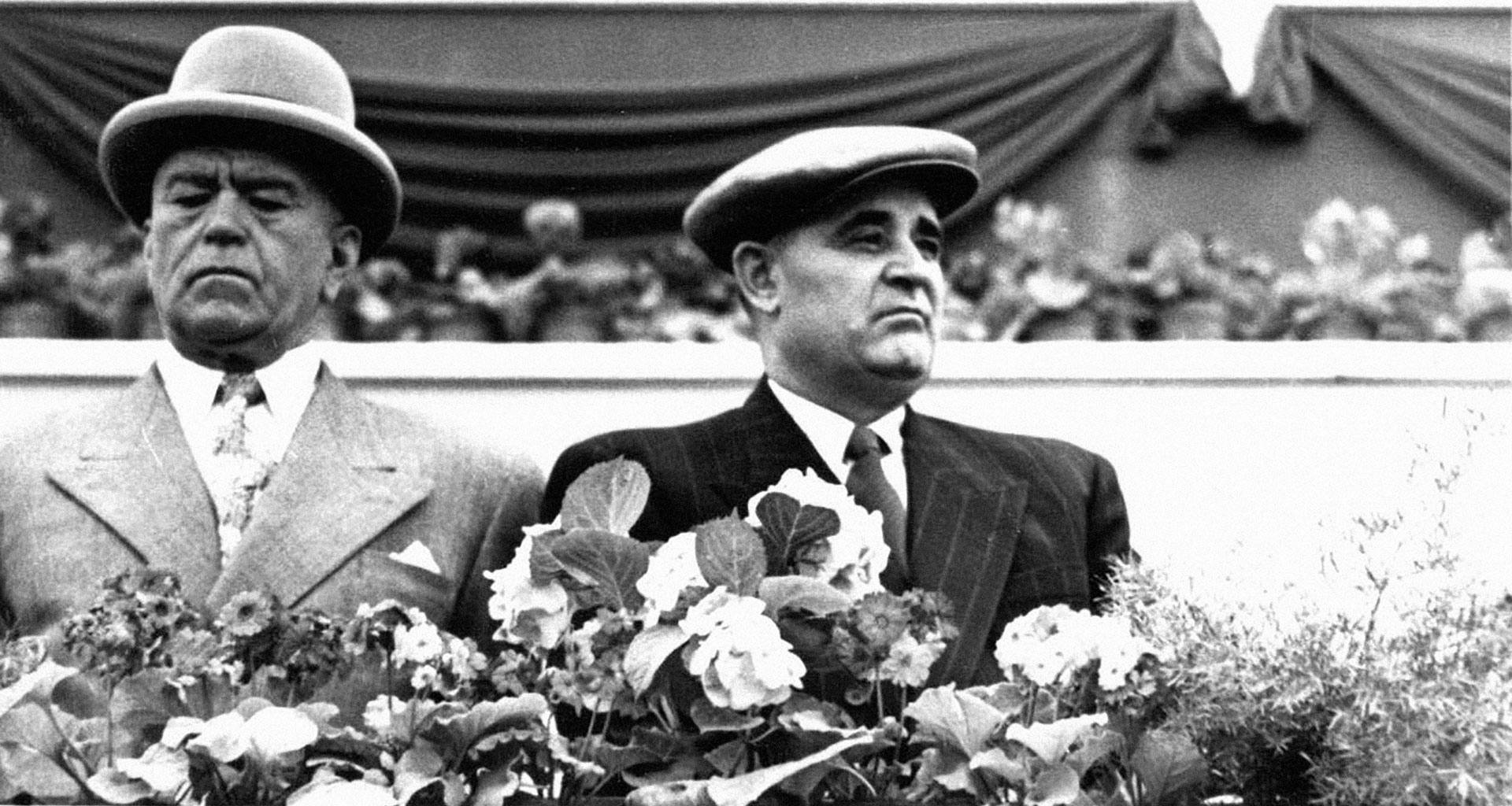
1st of May 1953 - Petru Groza and Gheorghiu Dej in the central stand in Aviator Square, at the grand rally of the workers on the 1st of May.
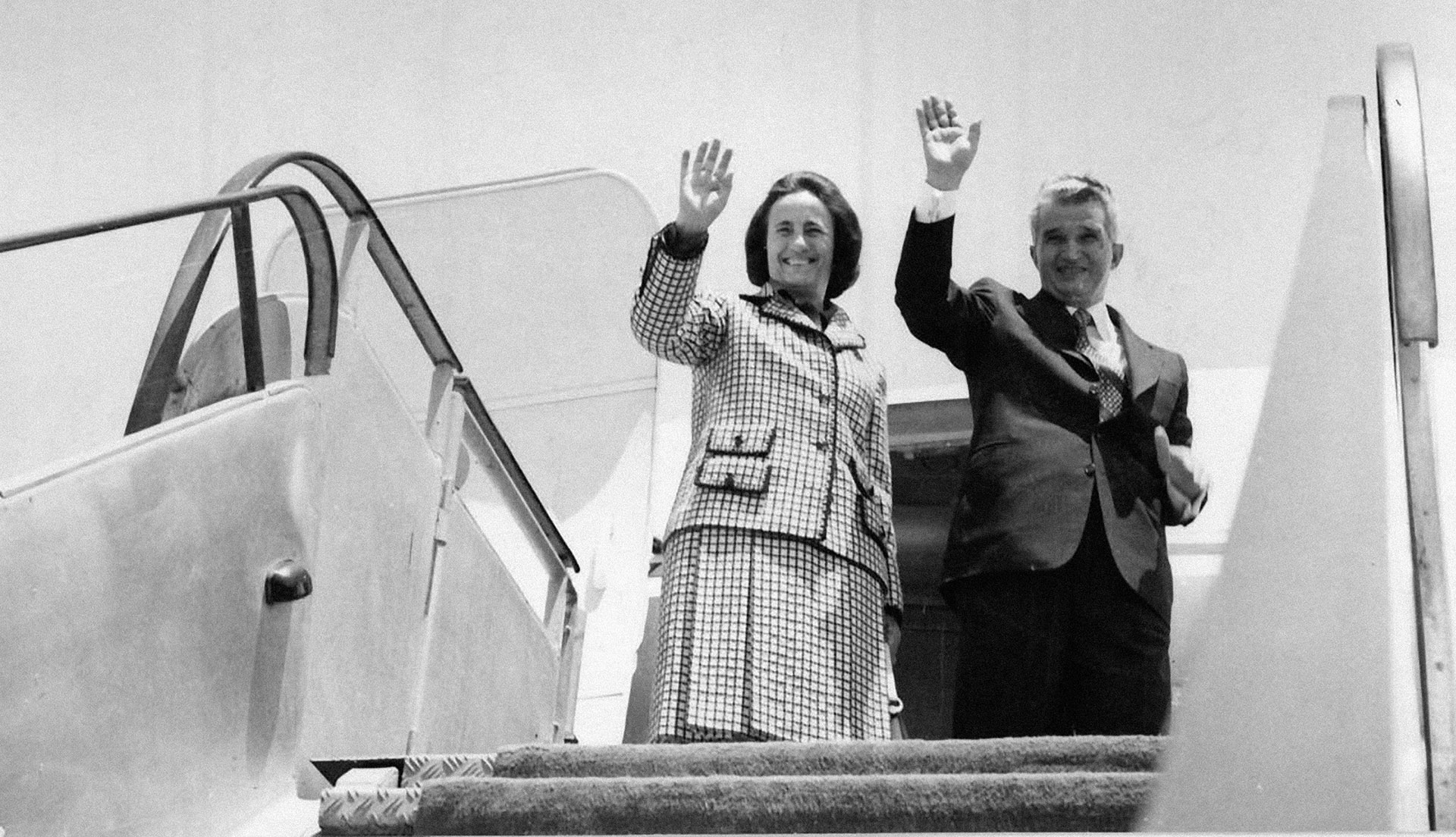
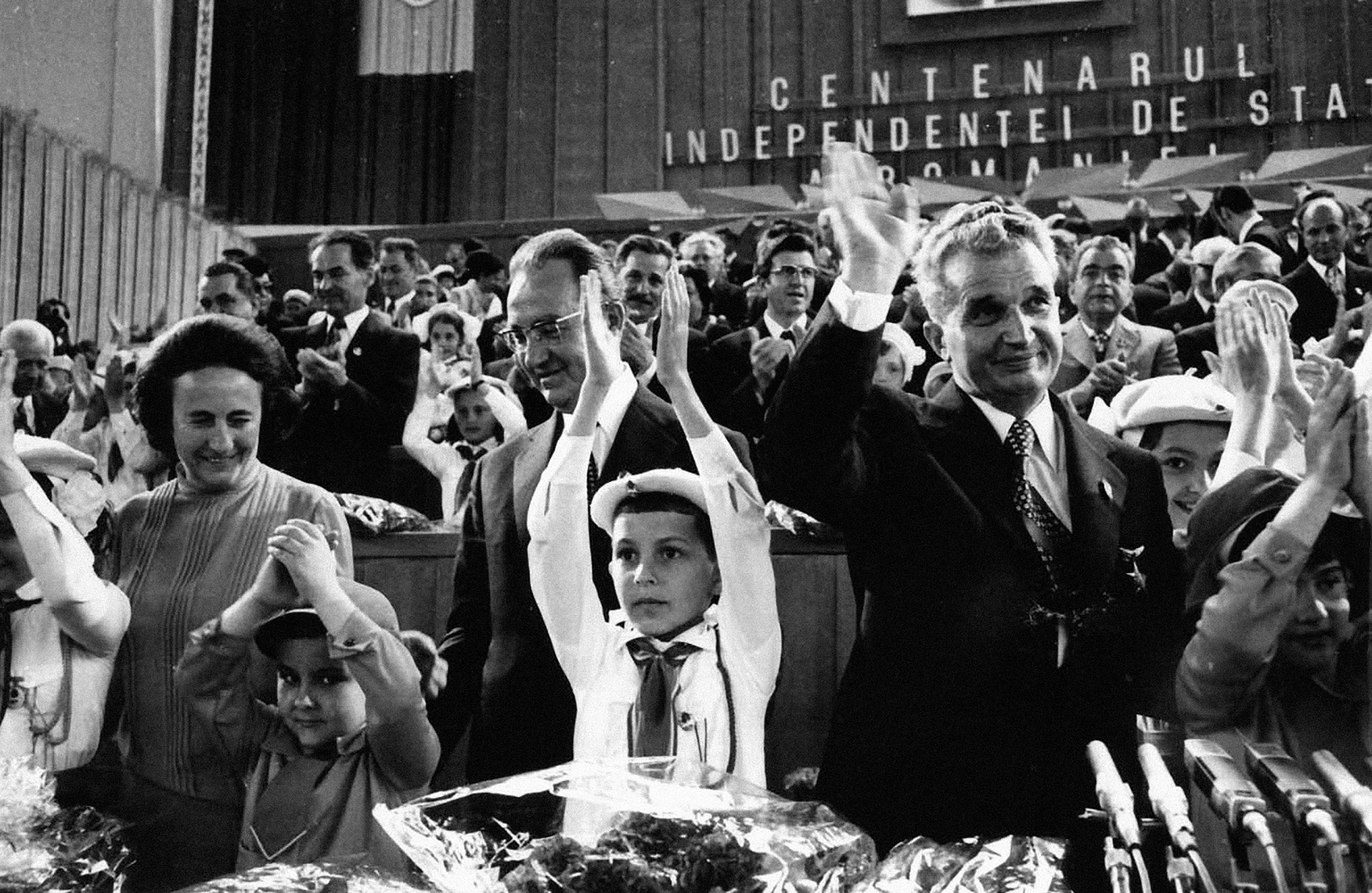
Elena and Nicolae Ceauşescu on a 'work visit'
Elena and Nicolae Ceauşescu
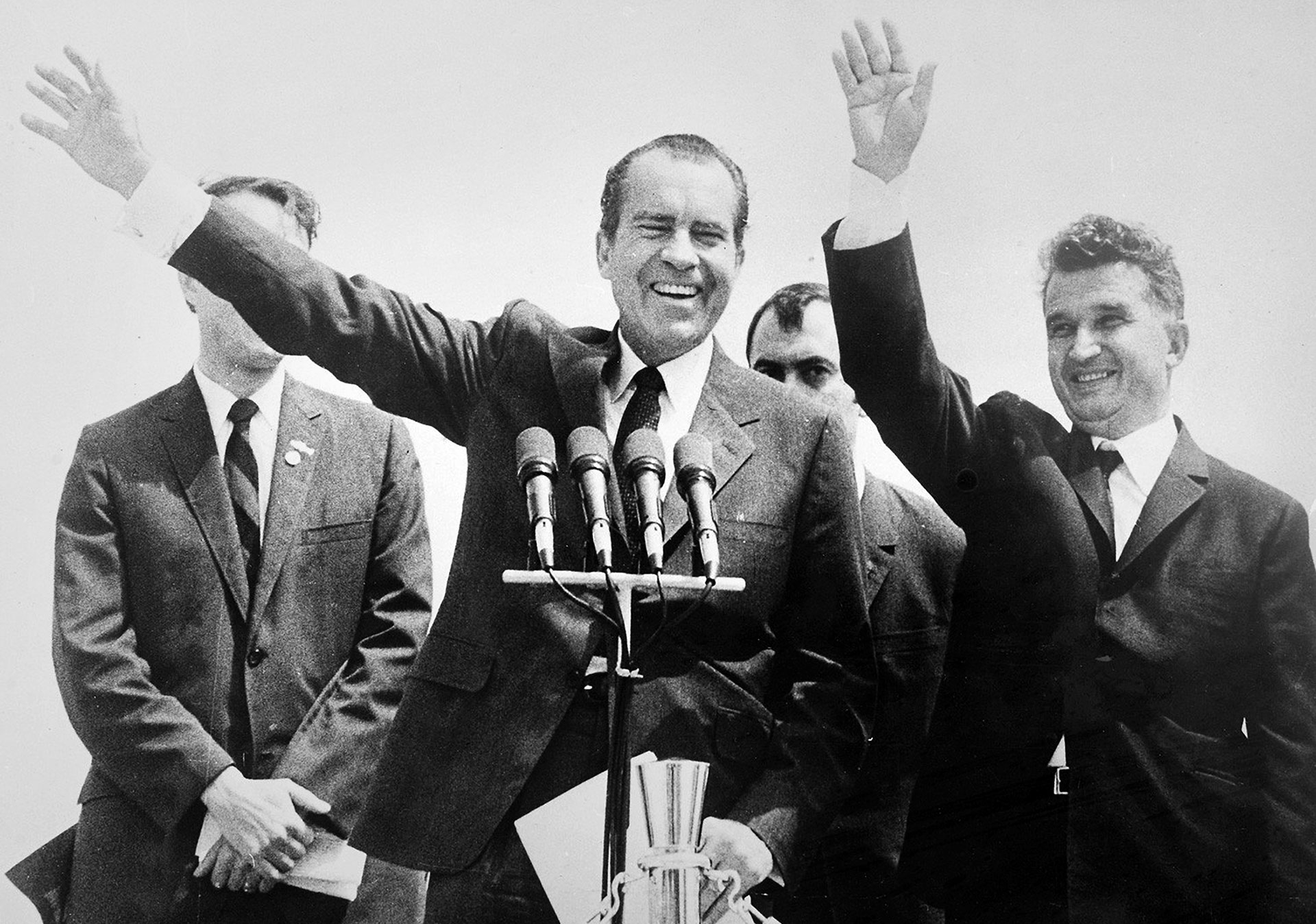
August 1969
President Richard Nixon's visit to Romania
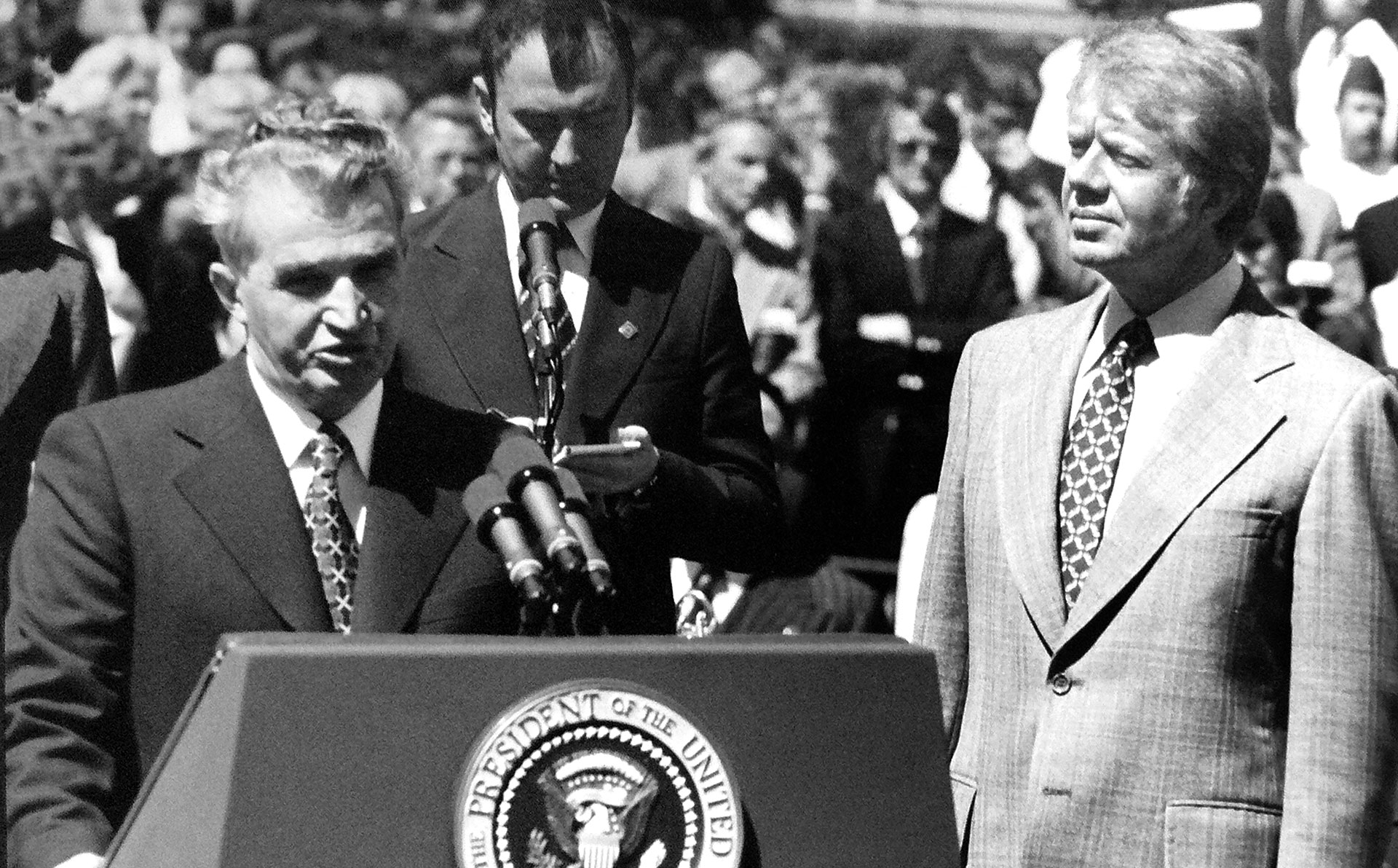
1978 - Nicolae Ceauşescu with President Jimmy Carter at the White House in Washington
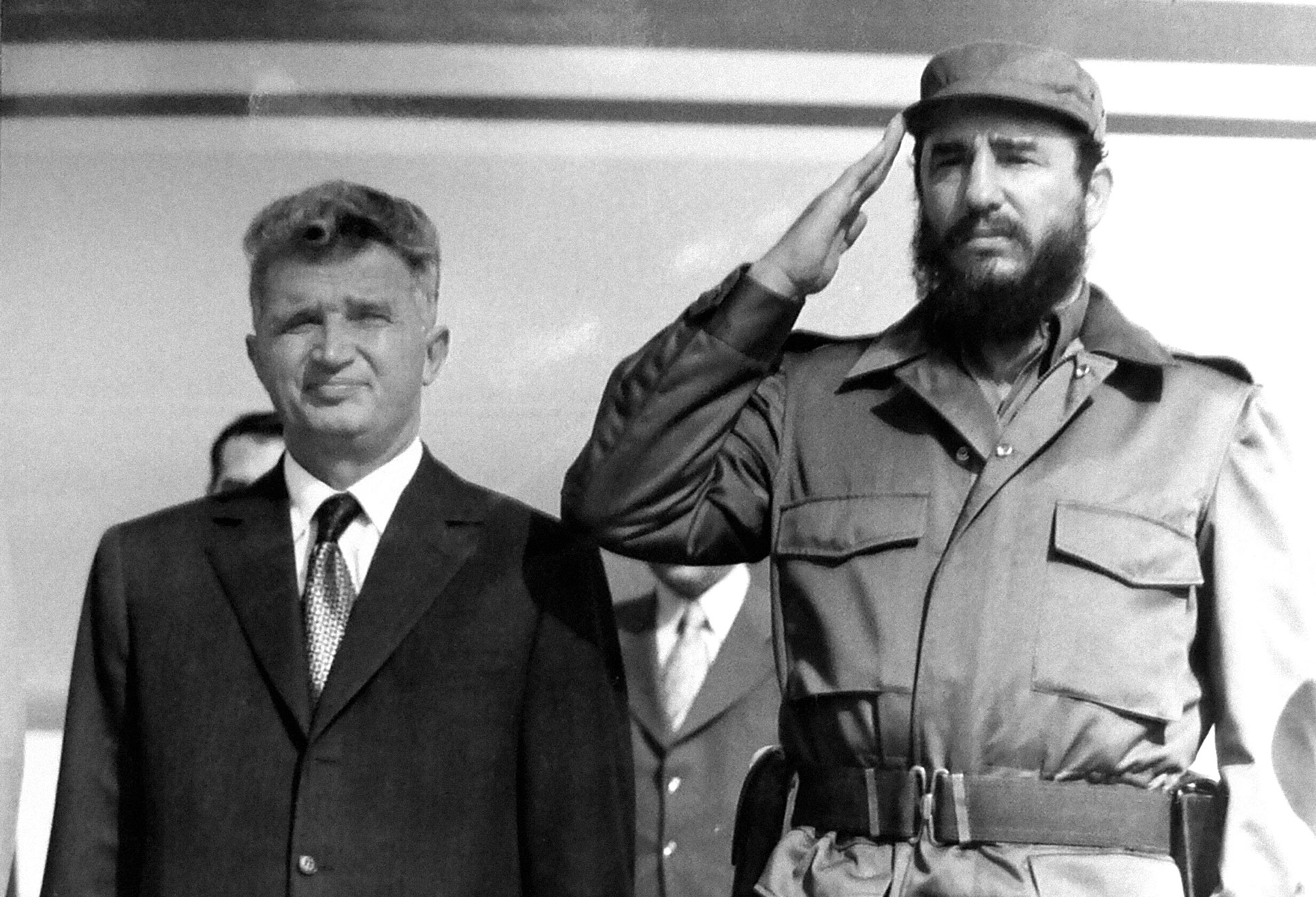
1972 - Nicolae Ceauşescu receiving Fidel Castro in Bucharest
1945-1965
The Gheorghe Gheorghiu-Dej’s Regime
The first two decades of communism in Romania was a time of assuming and consolidating power, eliminating political adversaries and implementing social and economic measures that radically transformed Romanian society.
One aspect that defined this period was the repression against opposition and the representatives of the old regimes. At least 100.000 people were convicted for political reasons, and tens of thousands deported to Bărăgan or sent into forced domicile. With Soviet support, and by forging the 1946 elections, the Romanian Workers' Party grabbed the political power.
The power struggle within the party led to the elimination of Lucrețiu Pătrășcanu (1948), of the Ana Pauker - Vasile Luca – Teohari Georgescu group (1952), and of that of Miron Constantinescu – Iosif Chișinevschi (1957). Gheorghe Gheorghiu-Dej emerged as the undisputed leader. Though in the first few years the Soviet influence was omnipresent in Romanian society, it eventually diminished, culminating with the retreat of the Red Army from Romania. A national, independent orientation was initiated in 1964.
1965-1989
The Nicolae Ceaușescu’s Regime
The first few years of the Ceaușescu’s regime were seen as a time of internal relaxation and opening towards the West. This perception was fuelled by Ceaușescu's critical stance on the Soviet invasion of Czechoslovakia in 1968, as well as by the visits of the US President Nixon and French leader de Gaulle in Romania.
After 1971, Ceaușescu decided to return to communism's original cultural principles. Nicolae and Elena Ceaușescu adopted a strong nationalist orientation and developed a strong cult of personality. Inadequate investments, the austerity policy, economic bankruptcy and international isolation inevitably led to the collapse of the communist regime in December 1989.

'Funeral of the detainees under the walls of Doftana prison after the earthquake of 10 November 1940'. Propaganda forged image (to the left, the original) showing clearly how certain characters were edited out for Gheorghiu Dej to be 'moved' to the forefront