.jpg?crc=415600820)
6 / 6
⊳
⊲
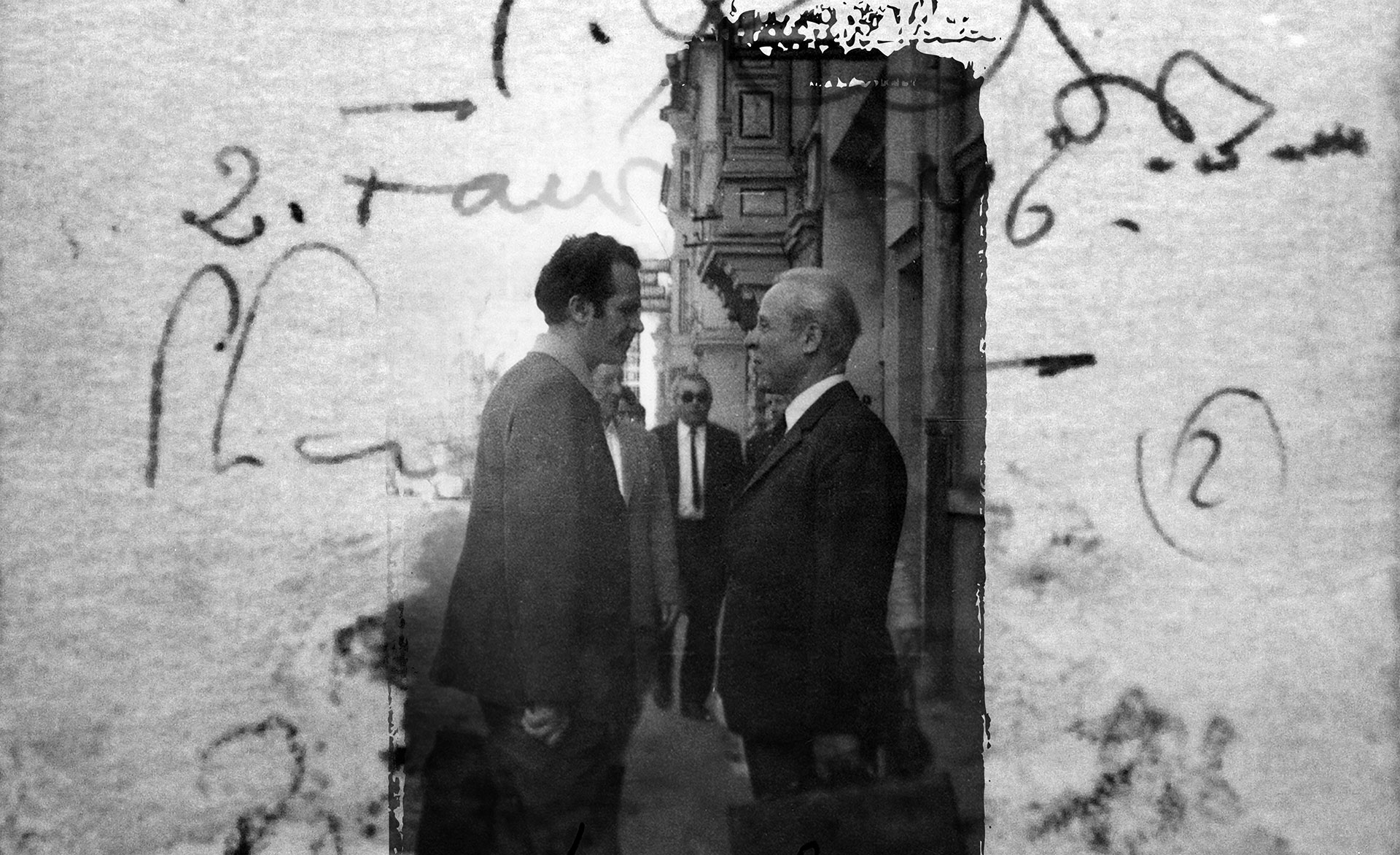
Securitate surveillance photo:
1. Nicolae Purcărea, 2. Ștefan Muscalu
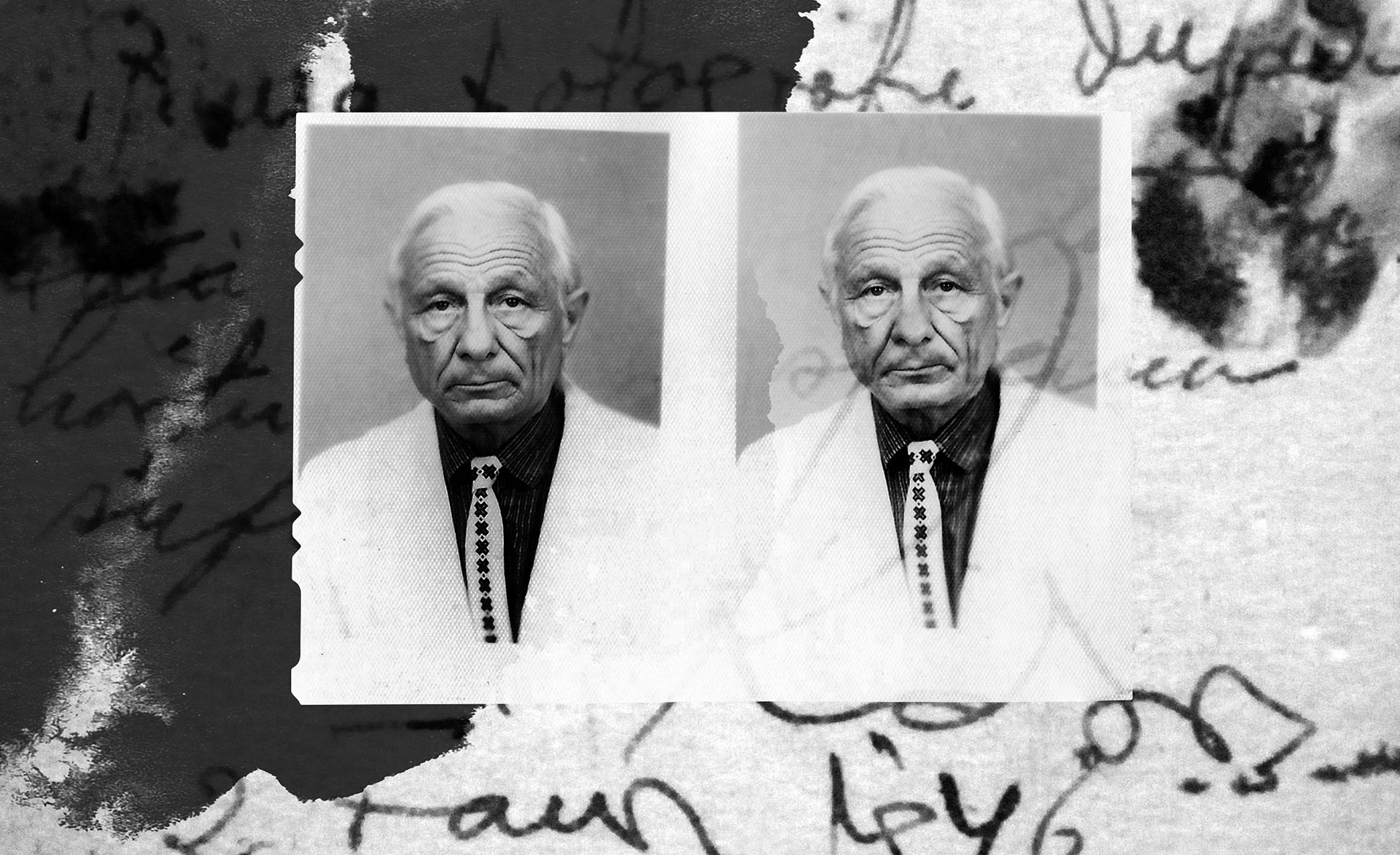
Manuscript with the poem 'Youth Psalms', hidden in the handle of a suitcase
Mihai Buracu
Mihai Buracu
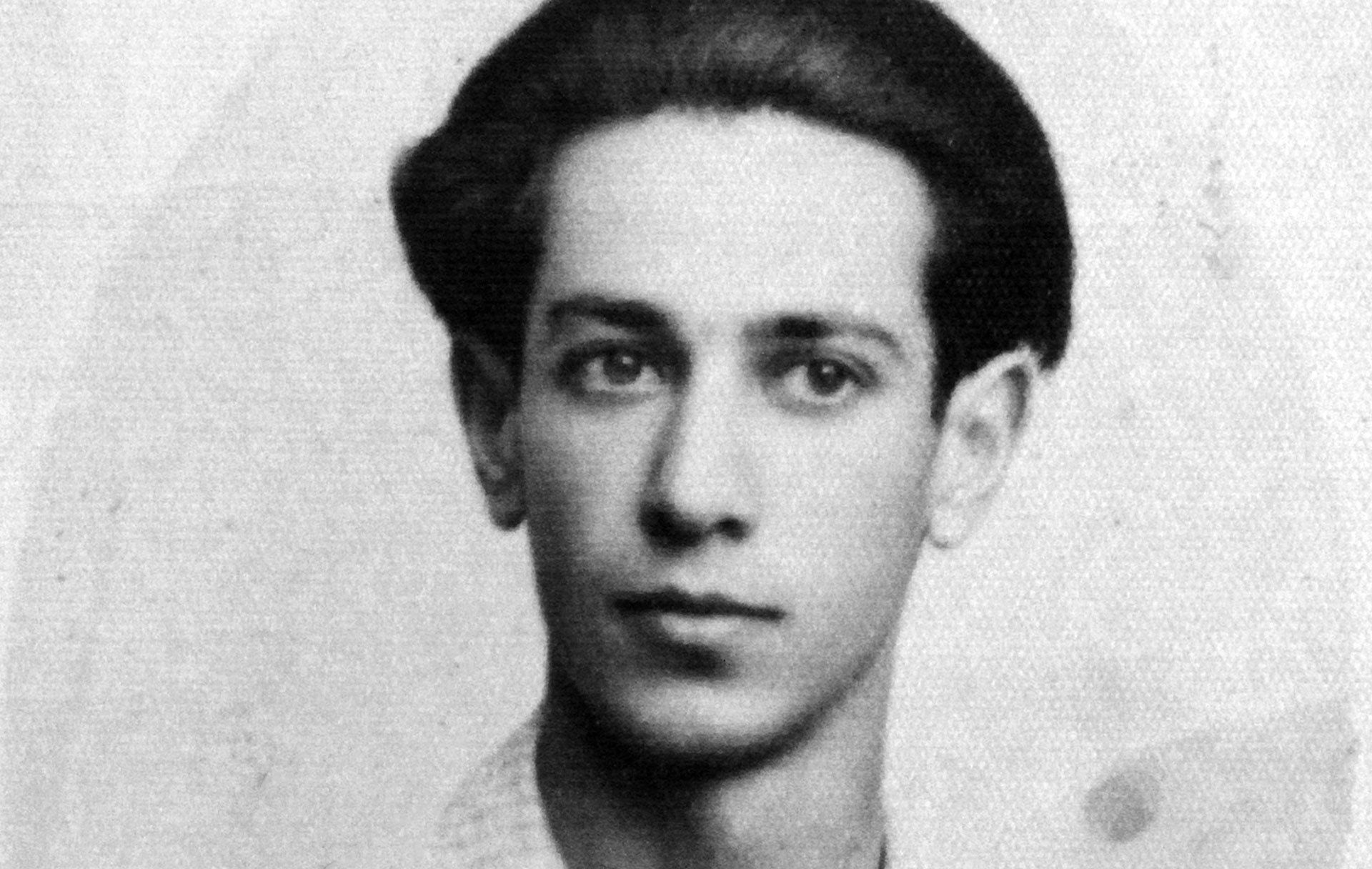
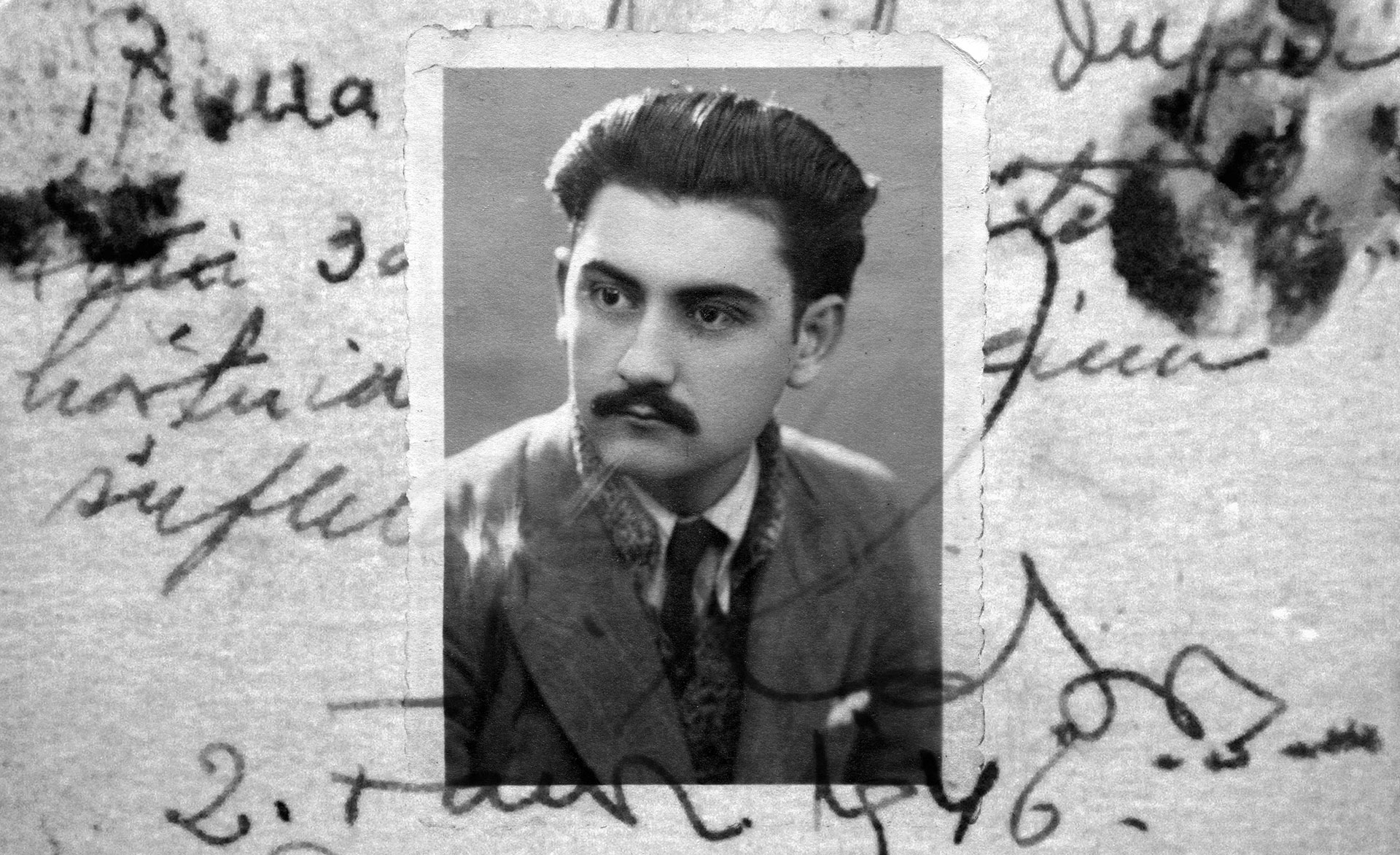
Gheorghe Plop as a student
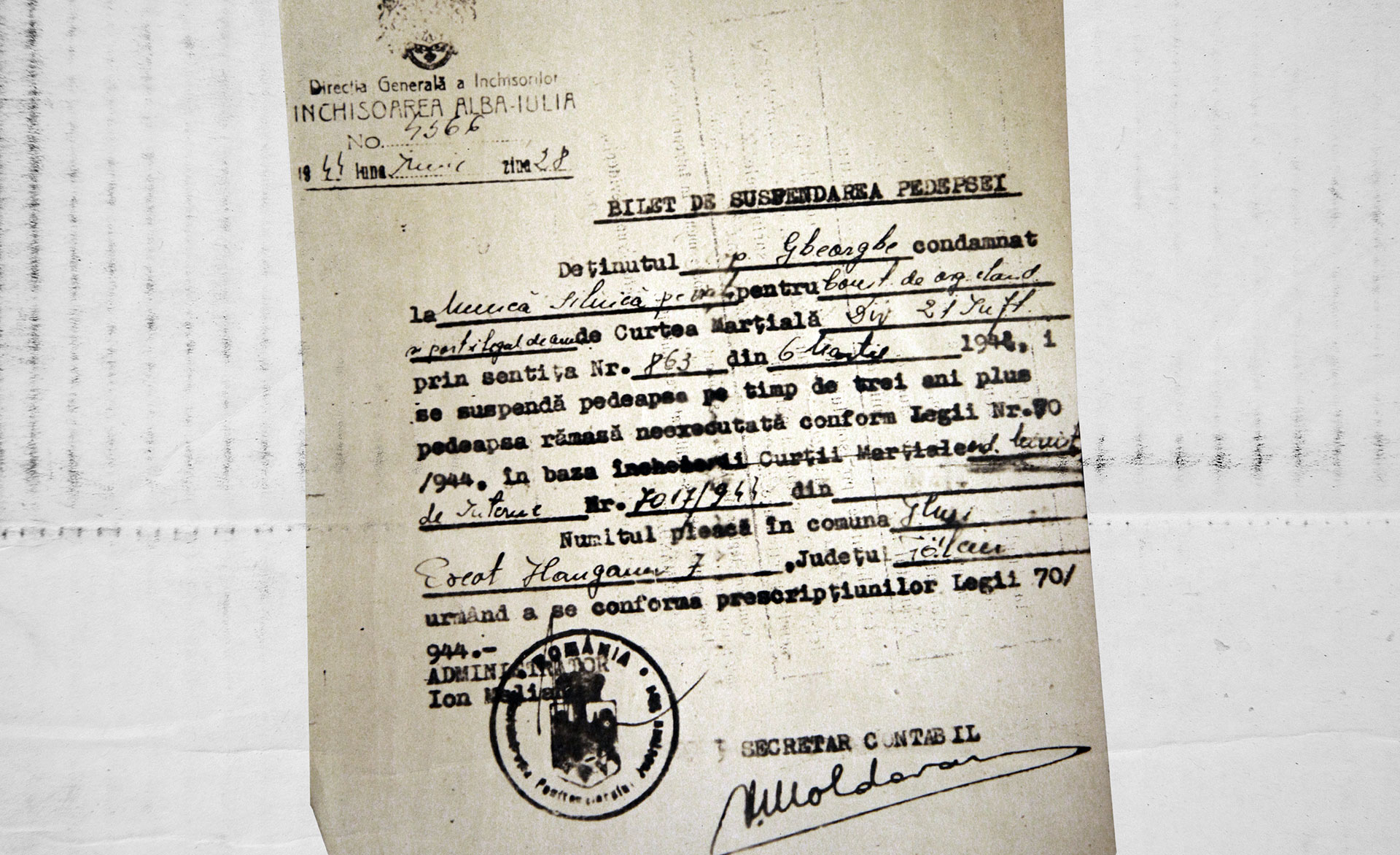
Decision of suspension of sentence
Gheorghe Plop
Tache Rodas
After release, the lives of the political prisoners were haunted by the stigma of being a 'jailbird', and they were constantly under surveillance by the Securitate. Until 1989, the political detainees were under strict observation, their correspondence was intercepted, their phones tapped, and their homes bugged.
Additionally, many of them were forced to become informants. The Securitate officers exploited the trauma caused by years of imprisonment, also resorting to blackmail and threats. Most of those who underwent the process of ‘unmasking’ in Pitești were students at the time of their arrest, so after release, some tried to finish their studies, but for most that was impossible.
As a result, they had to perform unqualified work. Rebuilding their personal lives was also difficult, because of the political detainee label. If they managed to build a family, the wives were under surveillance as well, while their children, in some cases, could not pursue an education in certain institutions, or were simply expelled. Some prisoners were unable to have children after the harsh conditions of imprisonment.

Aspects of the meetings of members of the subversive group – the Securitate used pictures from the weddings and baptisms of a group of friends, former inmates in Târgu Ocna (some of them having passed through Pitești) as proof of continuing anti-communist activity after release. A pram received as a present was taken to be 'legionaire aid'. In 1959 they were sentenced to 5 years in prison to hard labor for life.