4 / 4
⊳
⊲
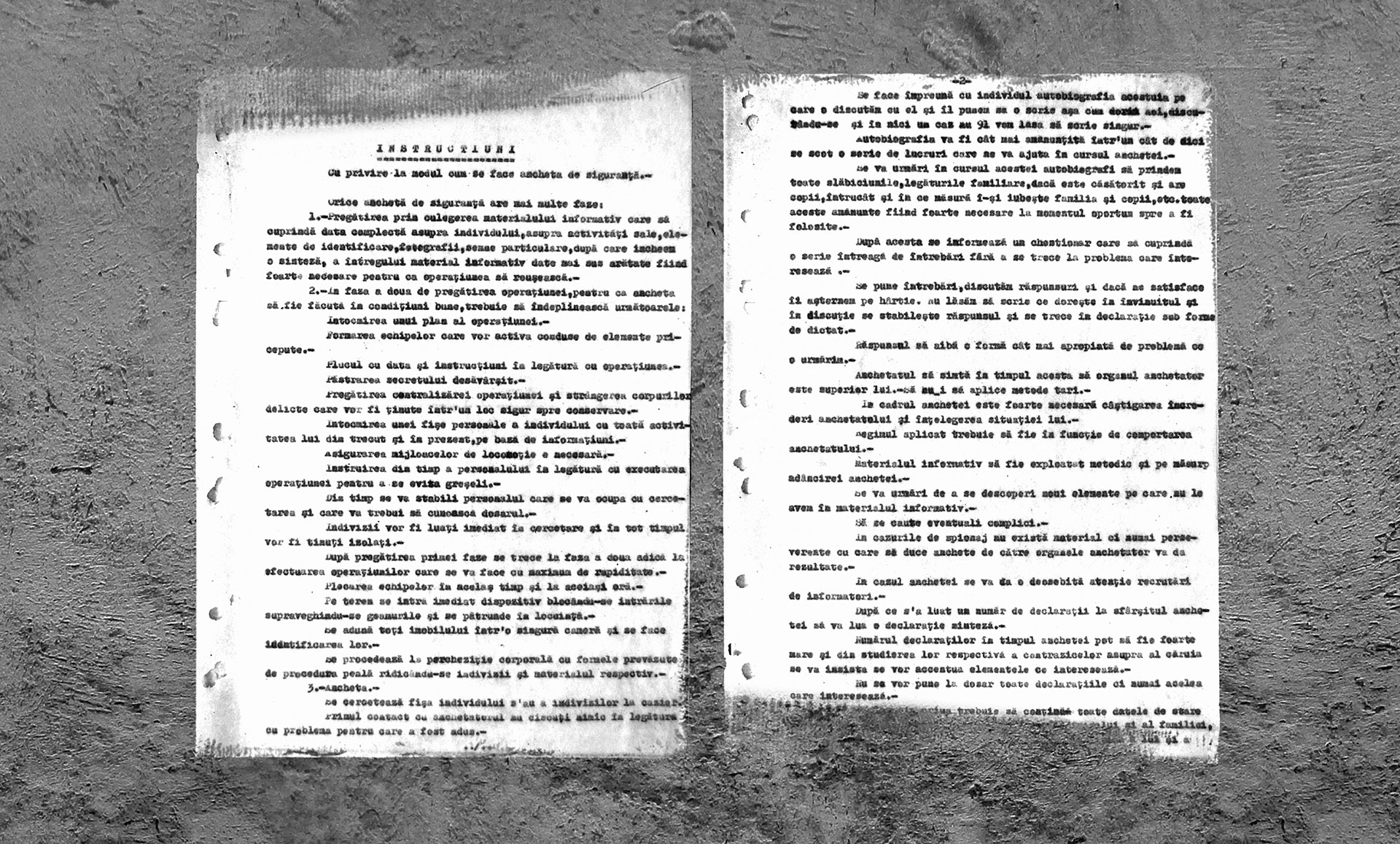
Instructions for carrying out interrogations (Securitate internal document)
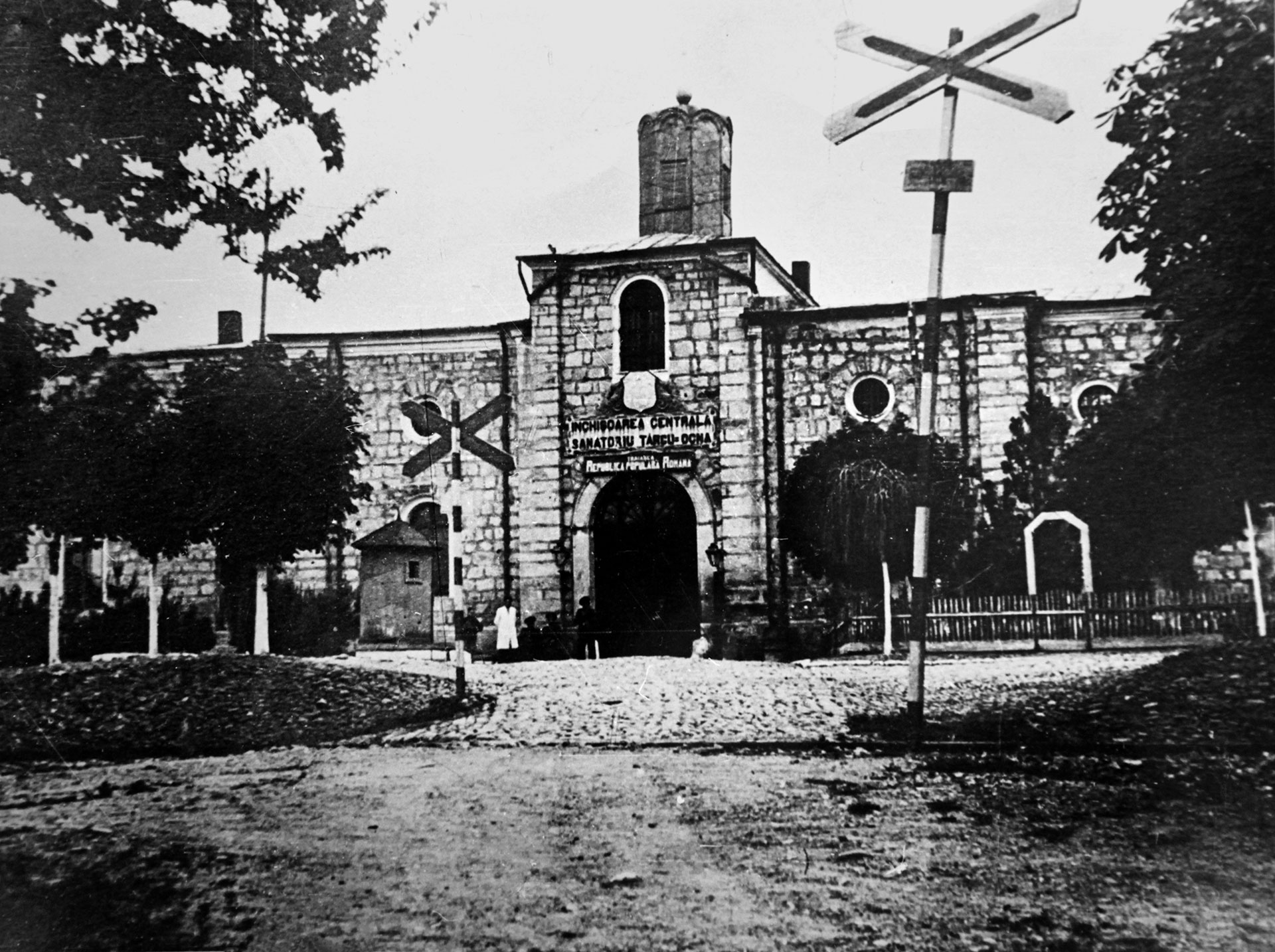
Central Prison/ Sanitarium - Târgu-Ocna
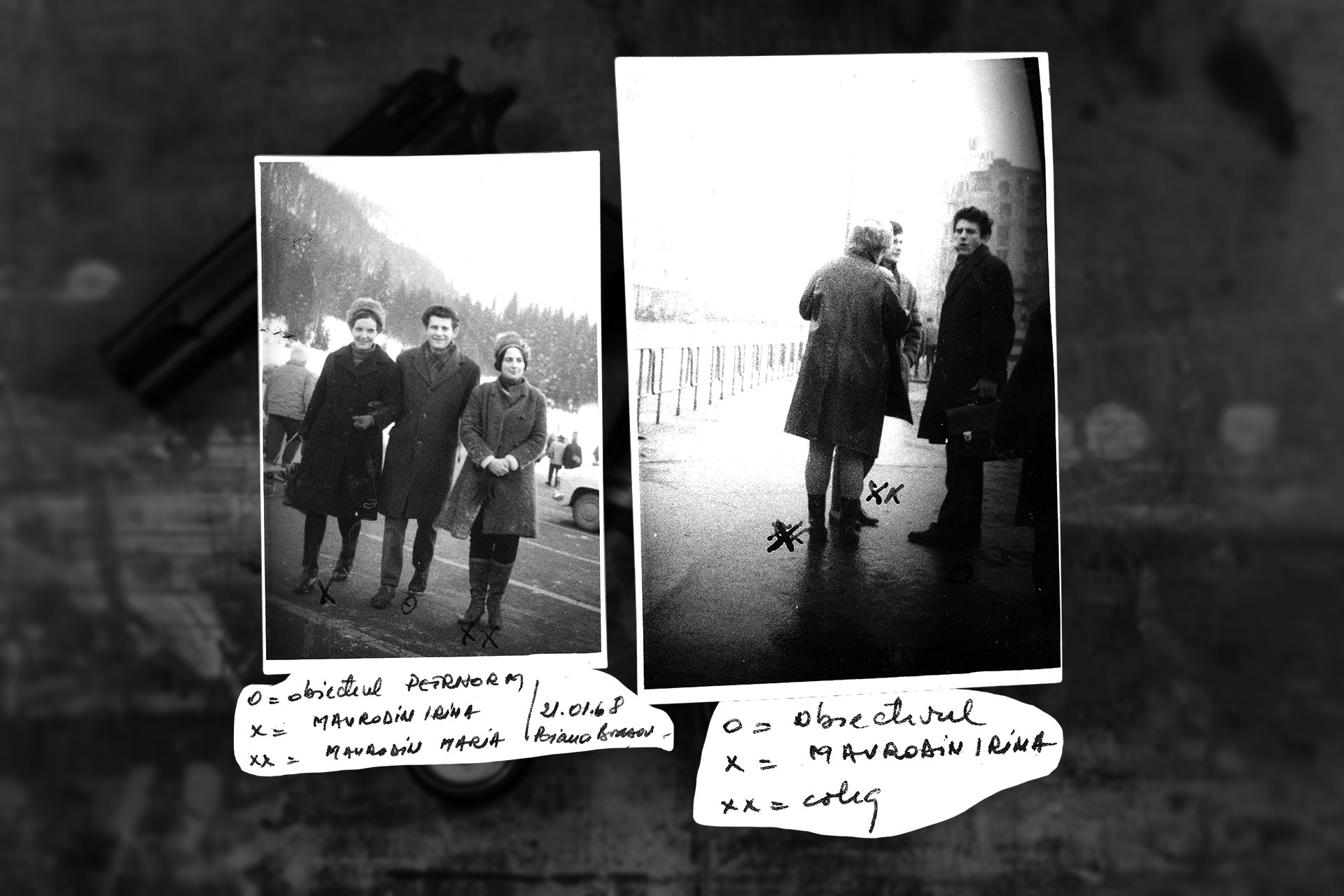
Surveillance file (Scuritate internal document)
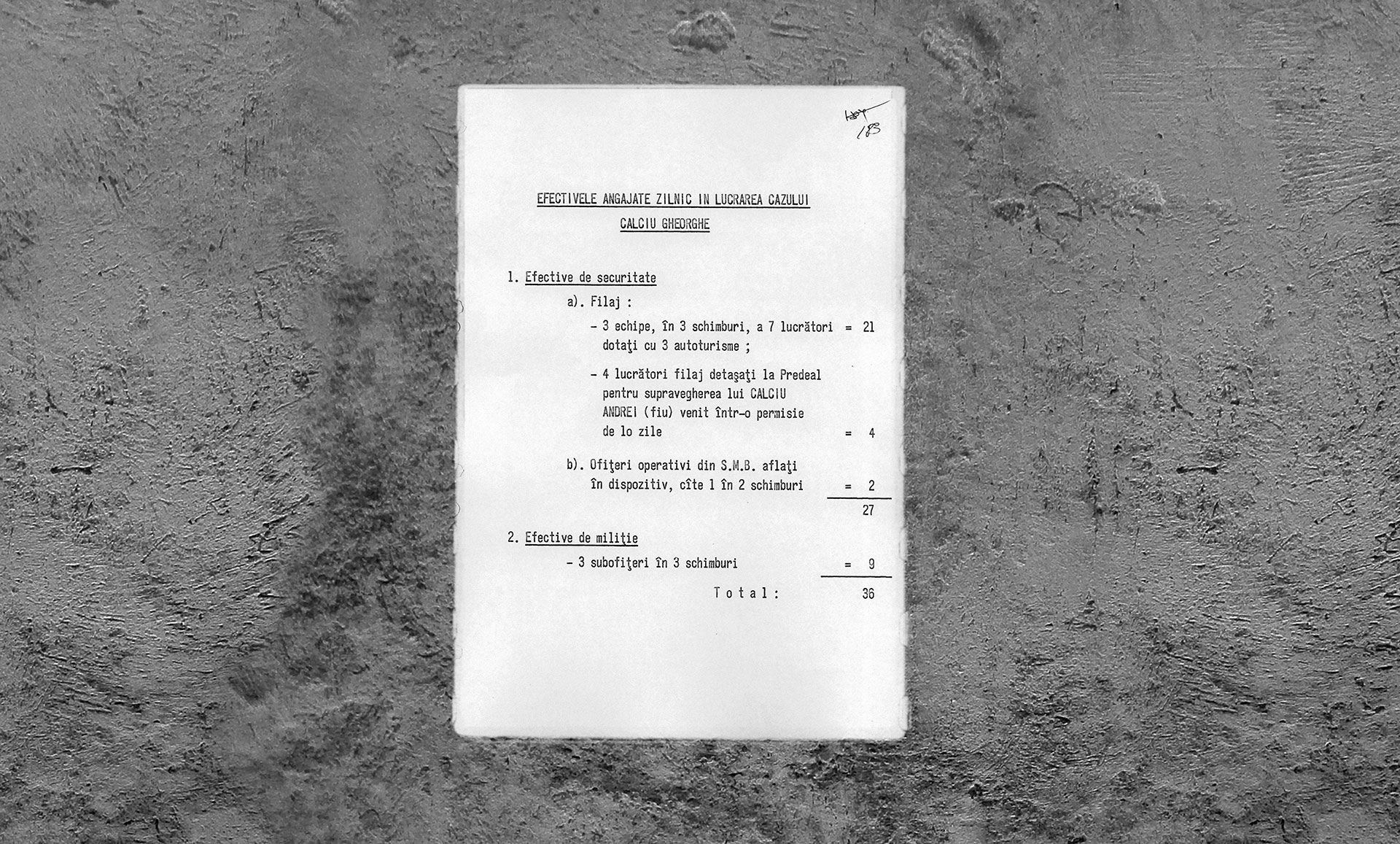
Surveillance file (Scuritate internal document)
Lacking popular support, the communist government resorted to terror. This was the responsibility of the Securitate, the political police, which started conducting arrests, especially among people known to oppose the regime.
The widespread arrests, often on baseless grounds, coupled with the violence frequently used by the Securitate, led to many cases of abuse and to a great number of people being randomly detained.

The number of people detained and sentenced for political reasons between 1944-1959, according to a Ministry of the Interior internal statistic.
THE SECURITATE
The General Directorate for the Security of the People ('Securitate') was created on the 30th of August 1948, initially headed by NKVD agents. Nicknamed 'the armed hand of the Party', it had an essential contribution to the communist government's consolidating its power.
The number of Securitate agents increased from around 5,000 in 1948 to 14,259 in December 1989.
Additionally, there were 150,000 people that were part of the Securitate troops, which effectively annihilated armed resistance groups and repressed peasants opposing collectivization. An important role in the activity of the Securitate was played by its network of tens of thousands of informers.
Gheorghe Pintilie
(Pantelei/Timofei Bodnarenko, 1902-1985)
A Soviet secret service agent, he was the general director of the Securitate (1948-1952), first deputy of the Minister of the Interior (1956-1961), and deputy to the Interior Minister (1961-1962). He holds the main responsibility for the Pitești Phenomenon, heading and coordinating the intelligence agents’ activity in penitentiaries.
Alexandru Nicolschi
(Boris Grünberg, 1915-1992)
A Soviet secret service agent, he was deputy general director of the Securitate (1948-1953), and general secretary of the Ministry of the Interior (1953-1961).