
.jpg?crc=3942182812)
.jpg?crc=501060705)
.jpg?crc=313483843)
.jpg?crc=410415831)
.jpg?crc=17552759)
.jpg?crc=271794291)
15 / 15
⊳
⊲
7 November 1944
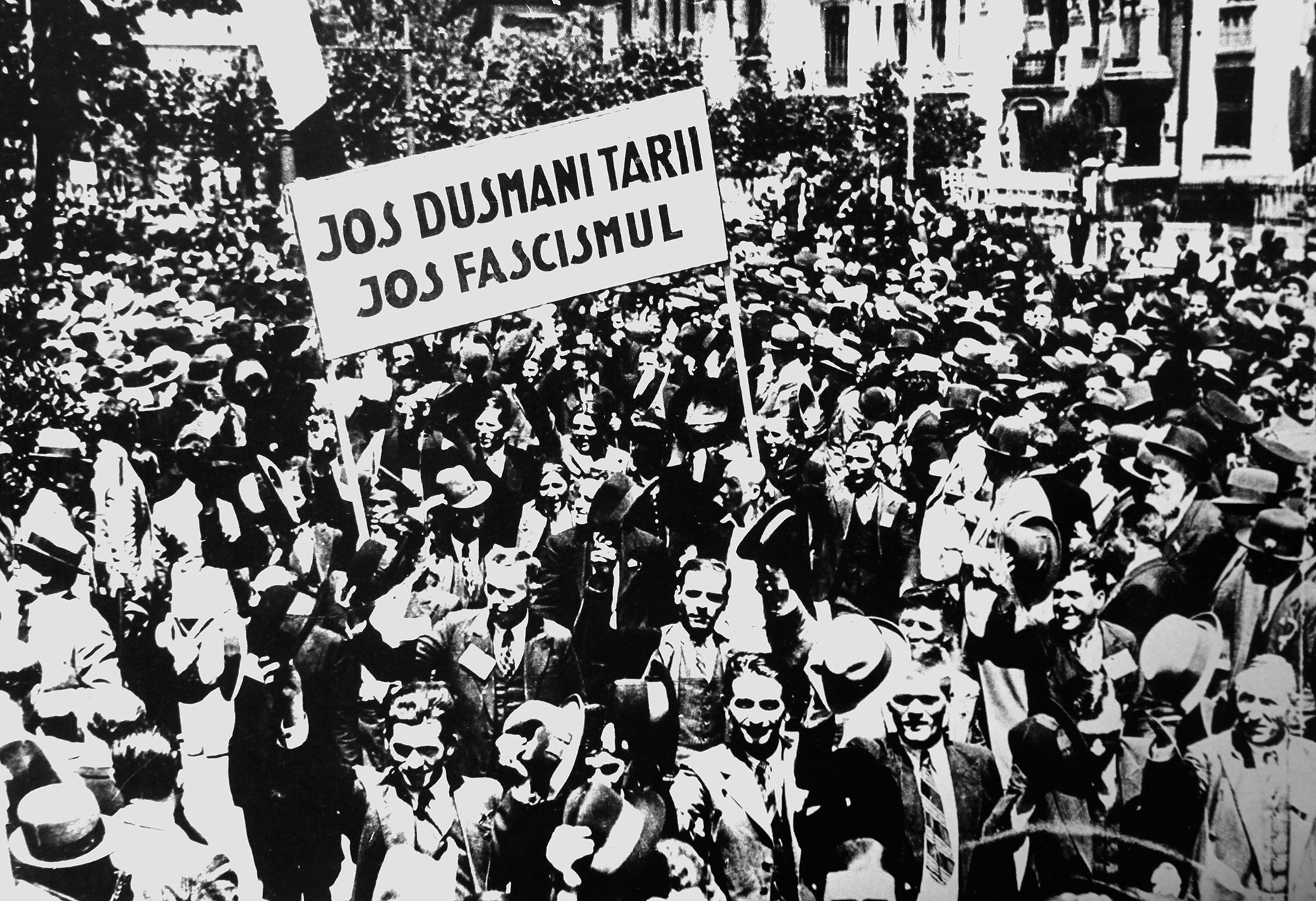
Communist march in Bucharest
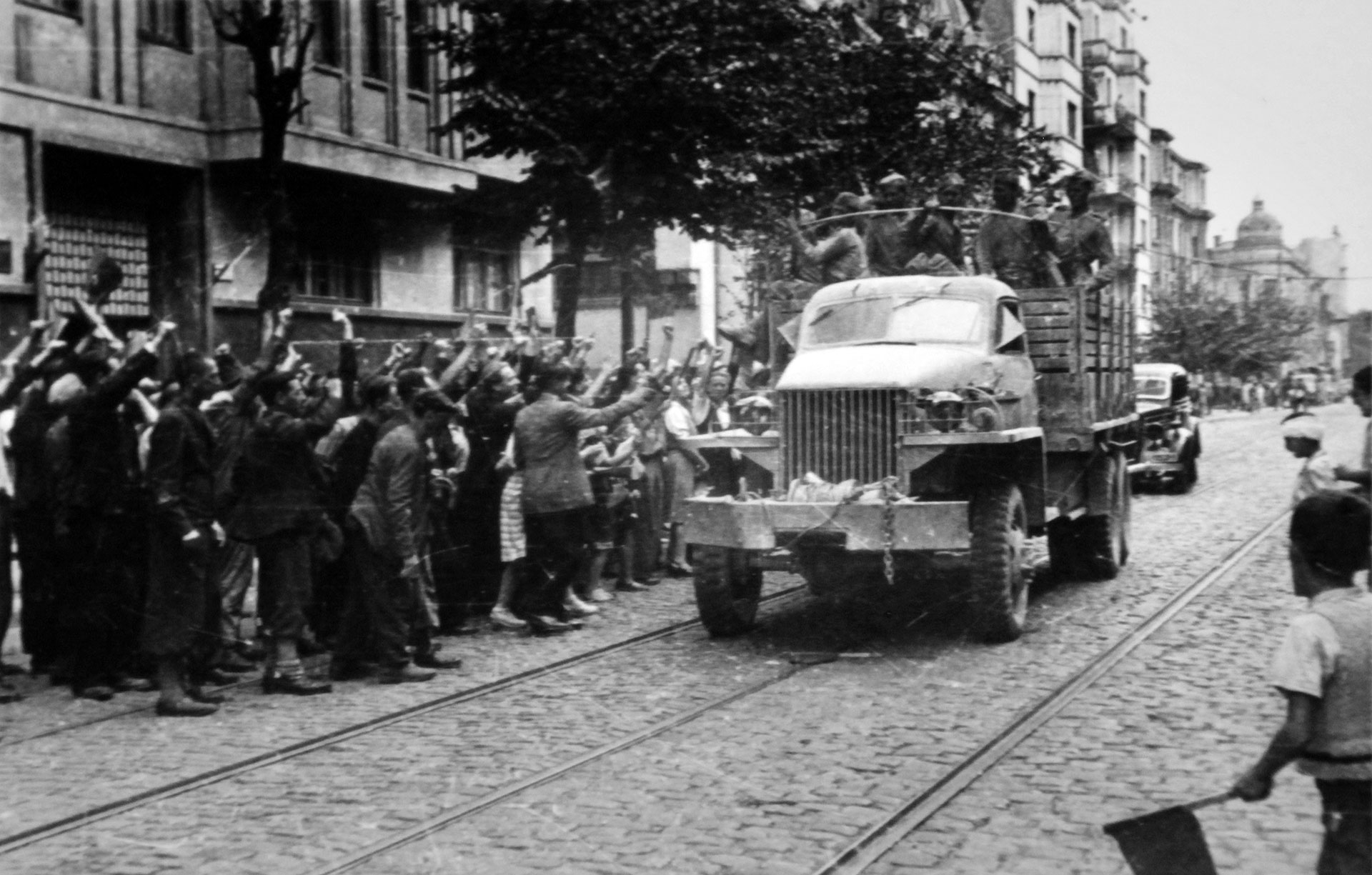
30 August 1944
Soviet troops marching into Bucharest
30 August 1944
Soviet troops marching into Bucharest
30 August 1944
Soviet troops marching into Bucharest
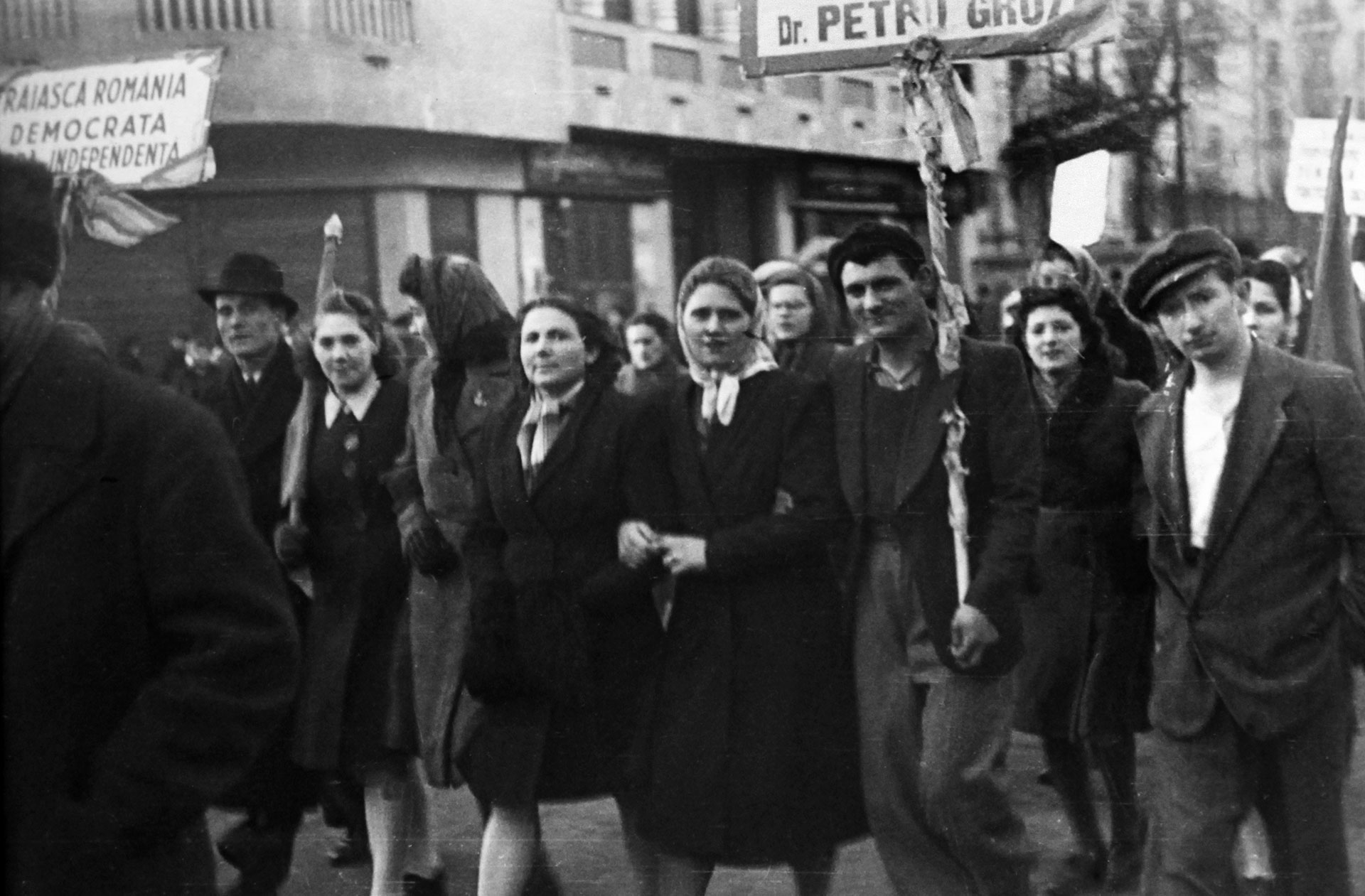
1945 - March to support the pro-communist government led by Dr. Petru Groza
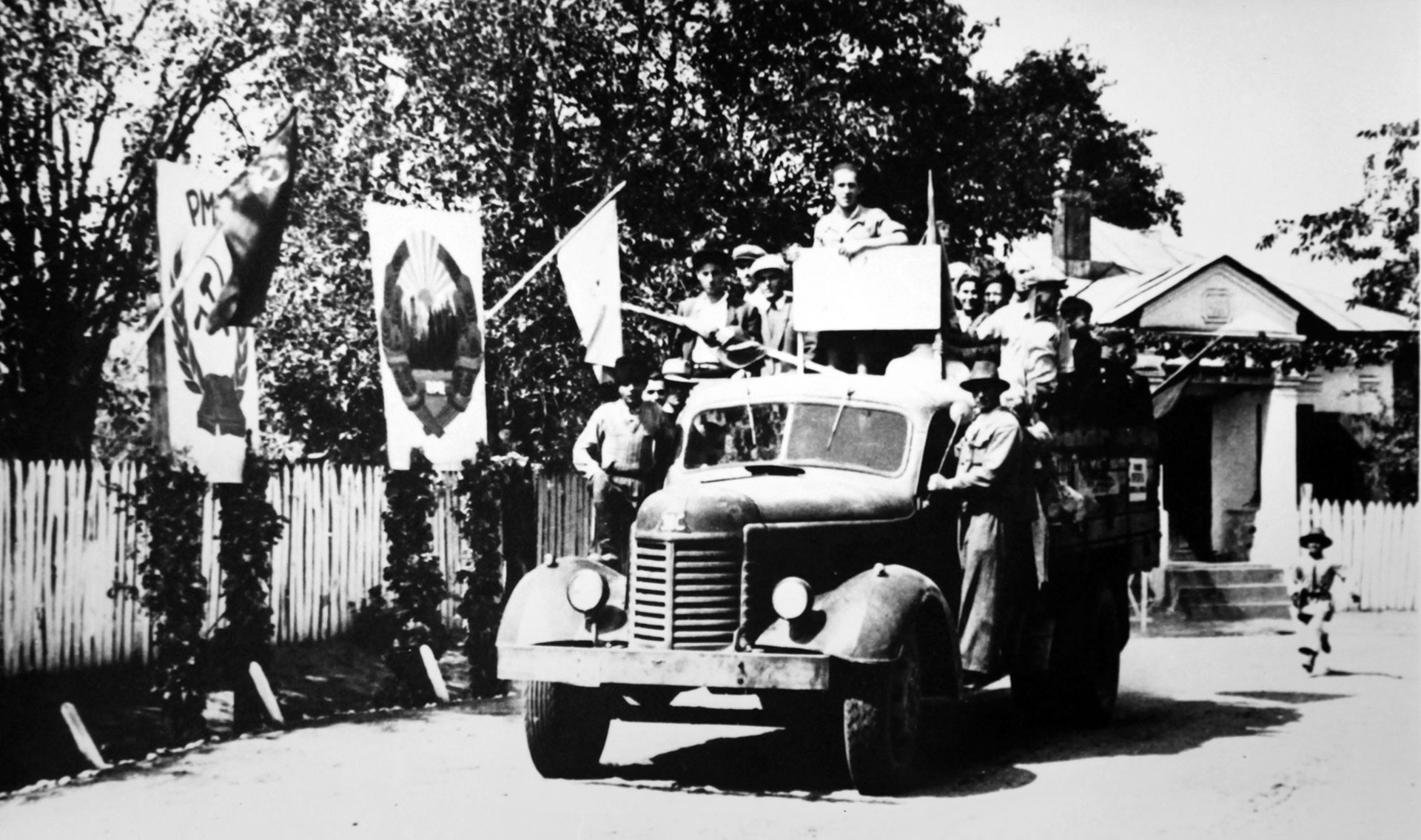
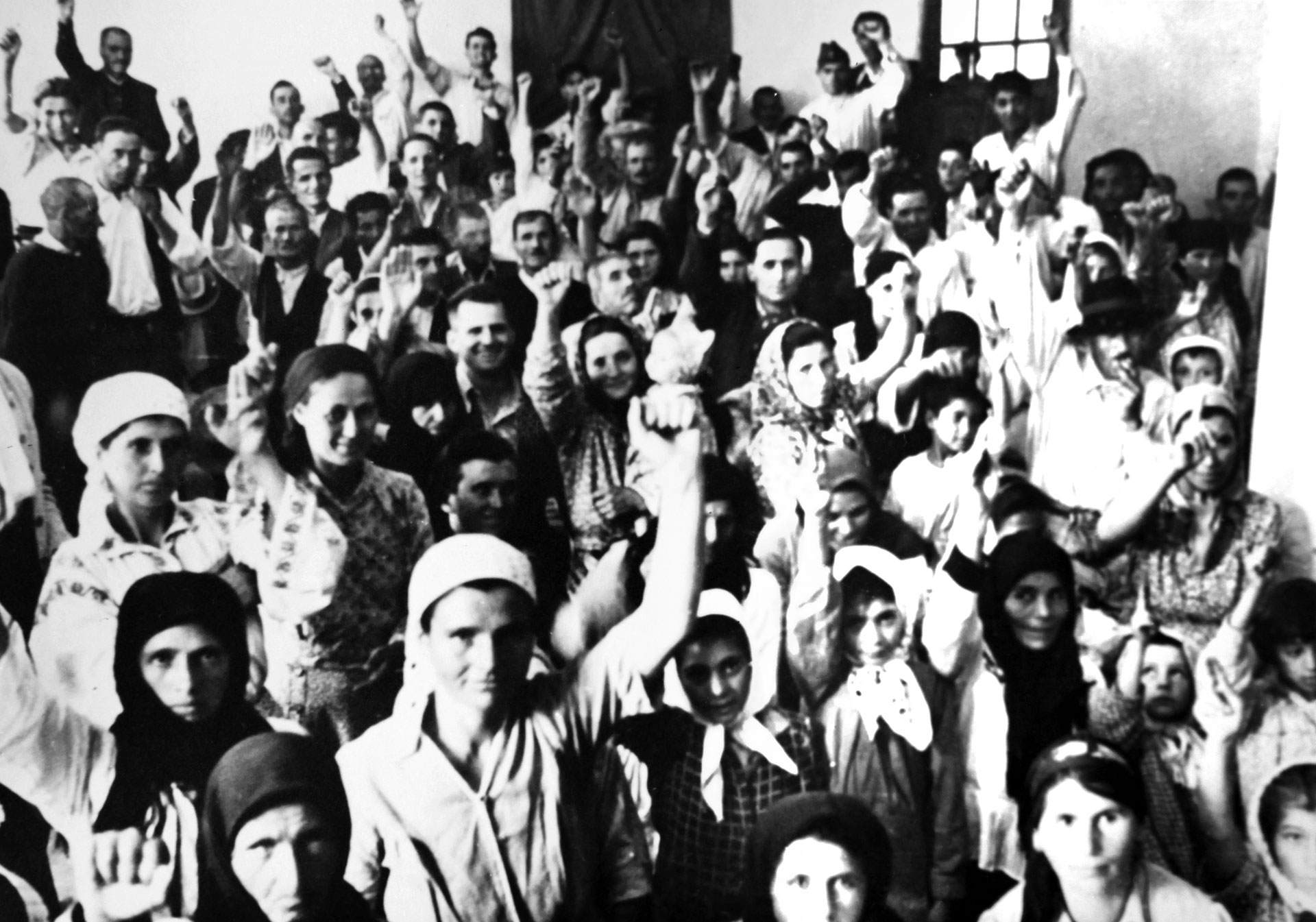
Wrapping up collectivization in Castranova, Dolj County
Wrapping up collectivization in Castranova, Dolj County
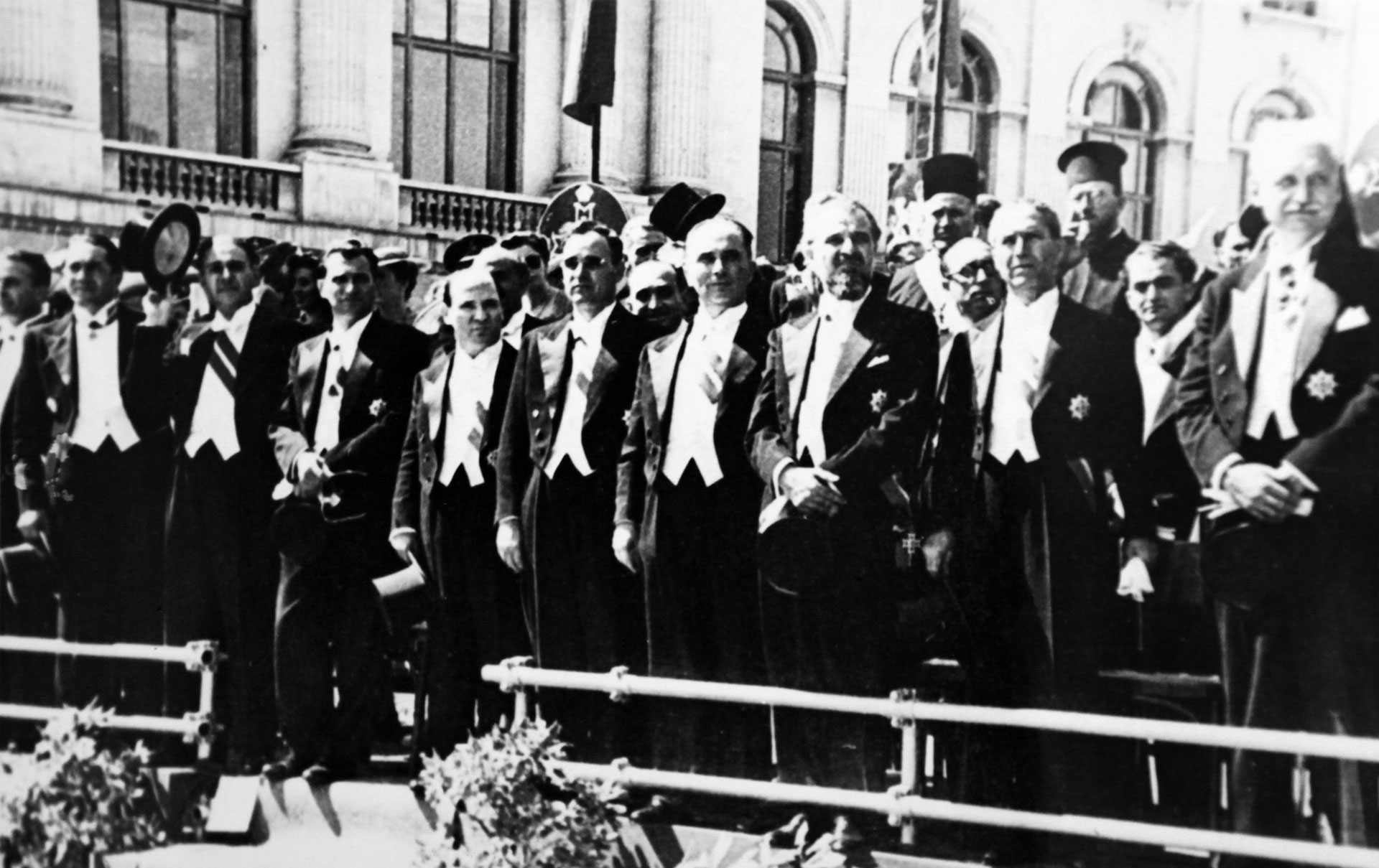
Communist leaders attending an official ceremony. In the front row – Lucrețiu Pătrăsșcanu, Dr. Gheorghe Gheorghiu-Dej and Ștefan Voitec
May 1945 - Celebrating the end of the war
Communist parade in Bucharest
05 November 1944
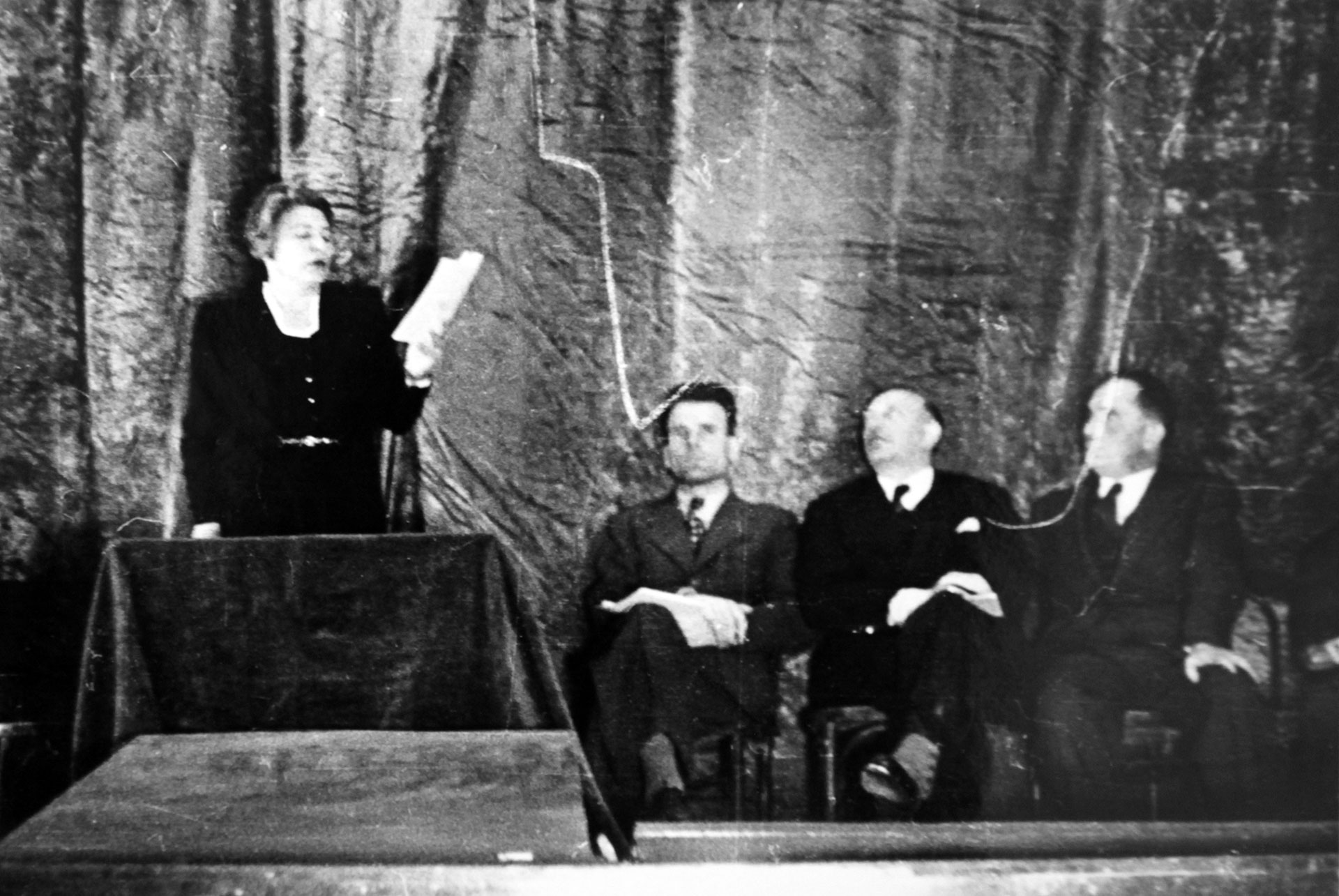
Ana Pauker, Chivu Stoica, George Vlădescu-Răcoasa and Teohari Georgescu
Communist parade in Bucharest
Communist parade in Bucharest
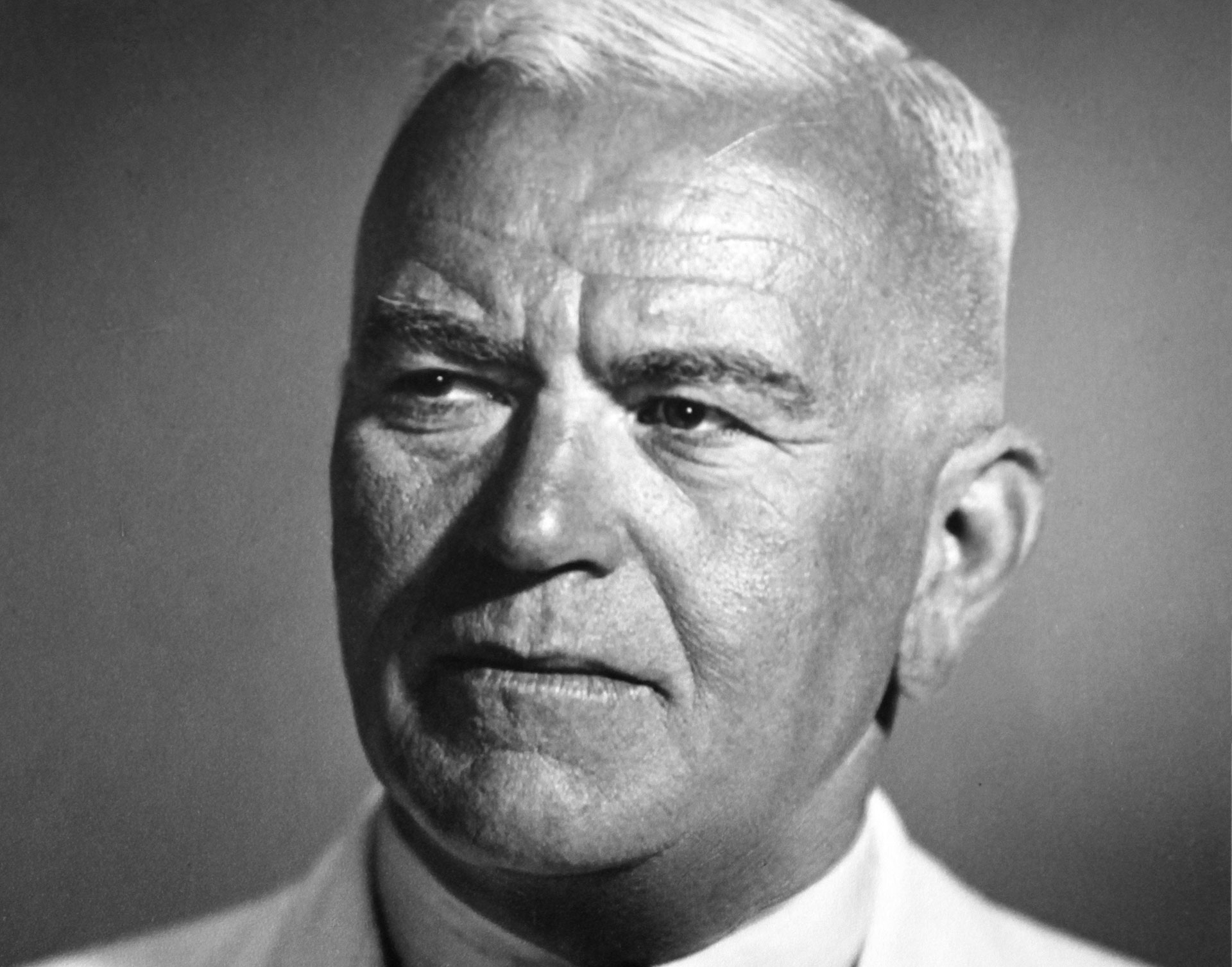
Dr. Petru Groza
Collectivist peasants in Castranova commune, Dolj County
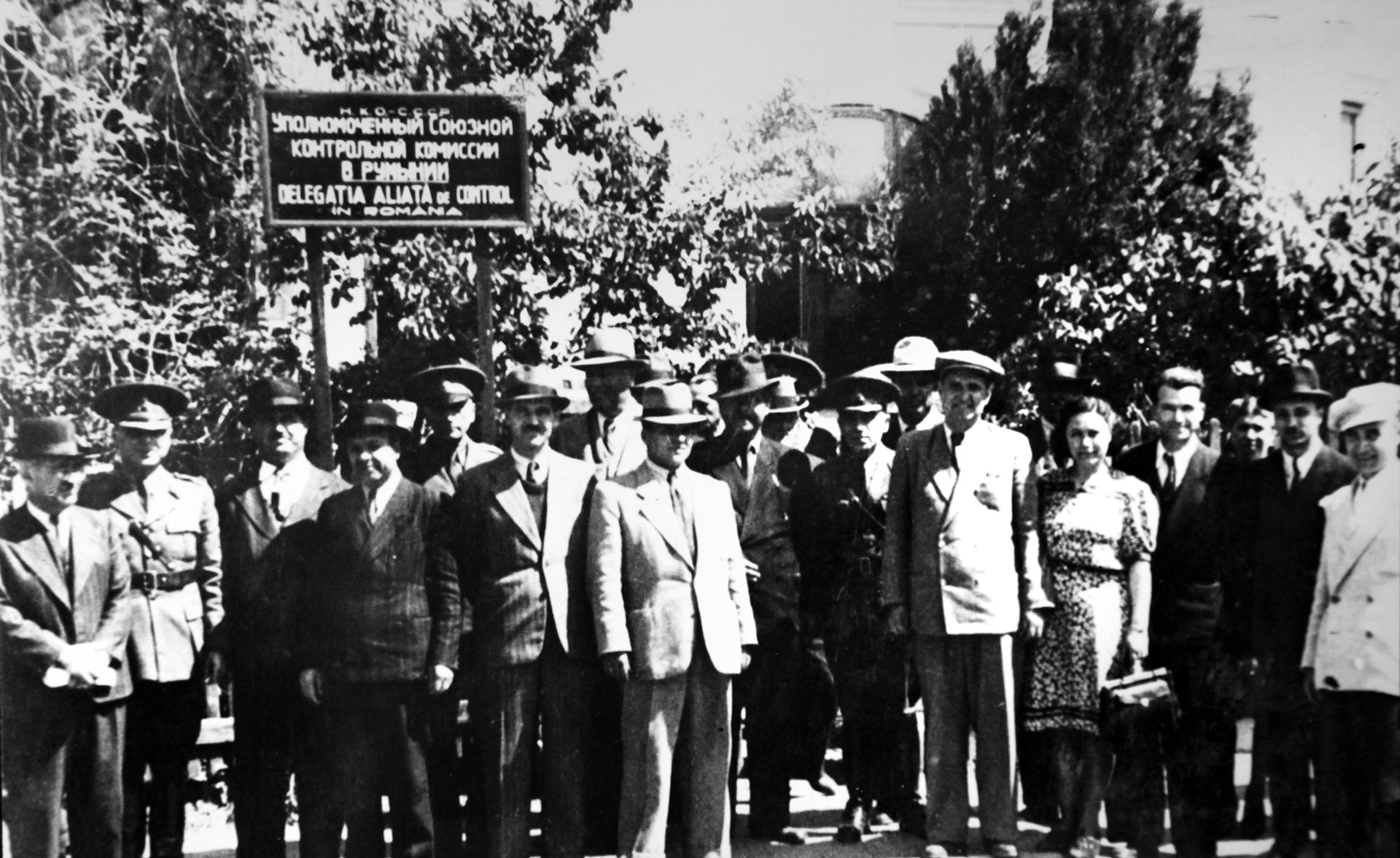
Even though Romania was the ally of the victorious USSR, the country was occupied by the Red Army.
After the forceful installation of a pro-communist government in March 1945, the following year the elections were won by the communists by fraud; in fact the elections had been won by the National Peasant Party. In December 1947, King Michael was forced to abdicate and leave the country.
After proclaiming the People's Republic of Romania, the process of communization produced a double shock amongst the population: nationalization (the state taking ownership of private industry and businesses) and collectivization (the state taking ownership of farmland, with peasants working under a collective system).