
1 / 9
⊳
⊲
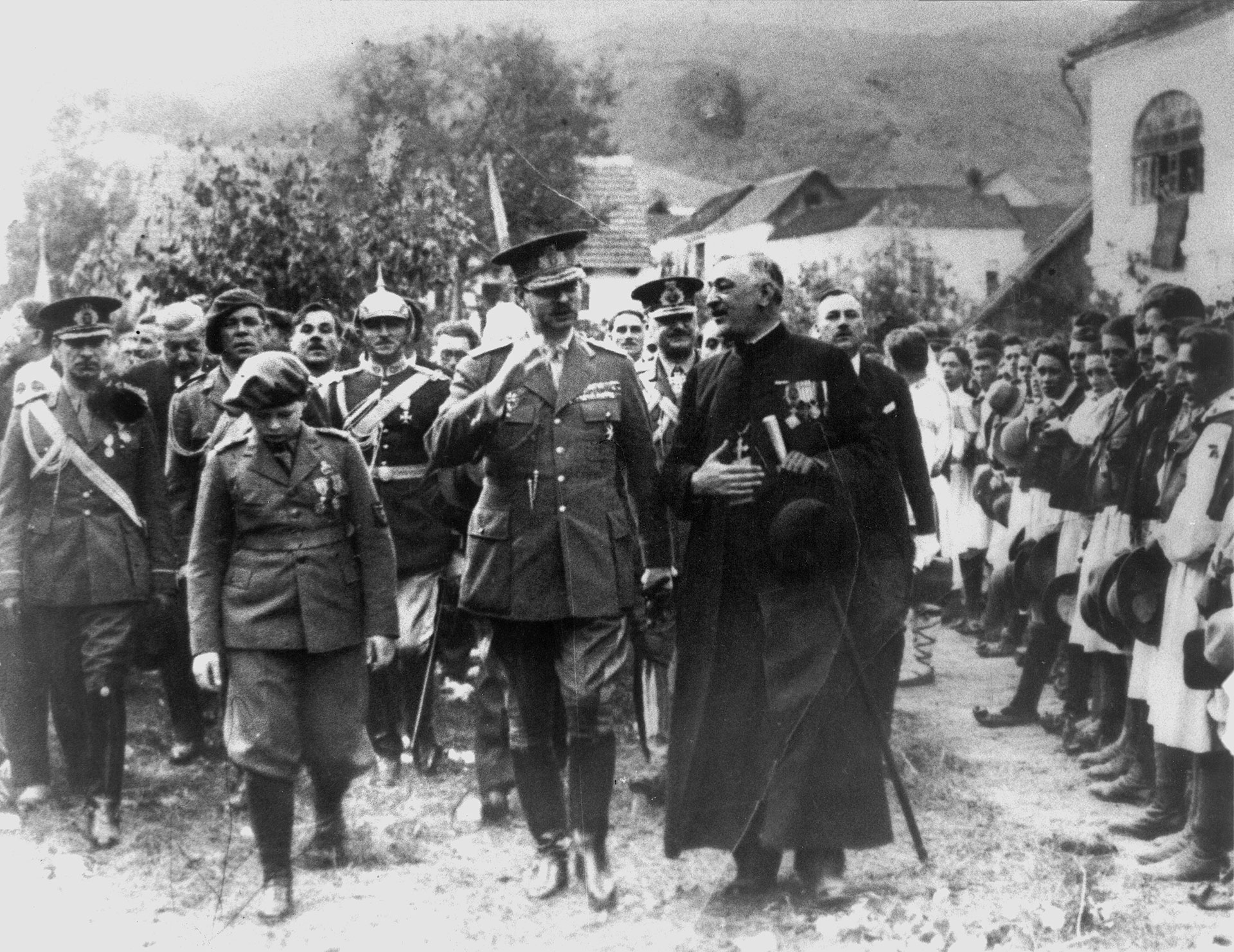
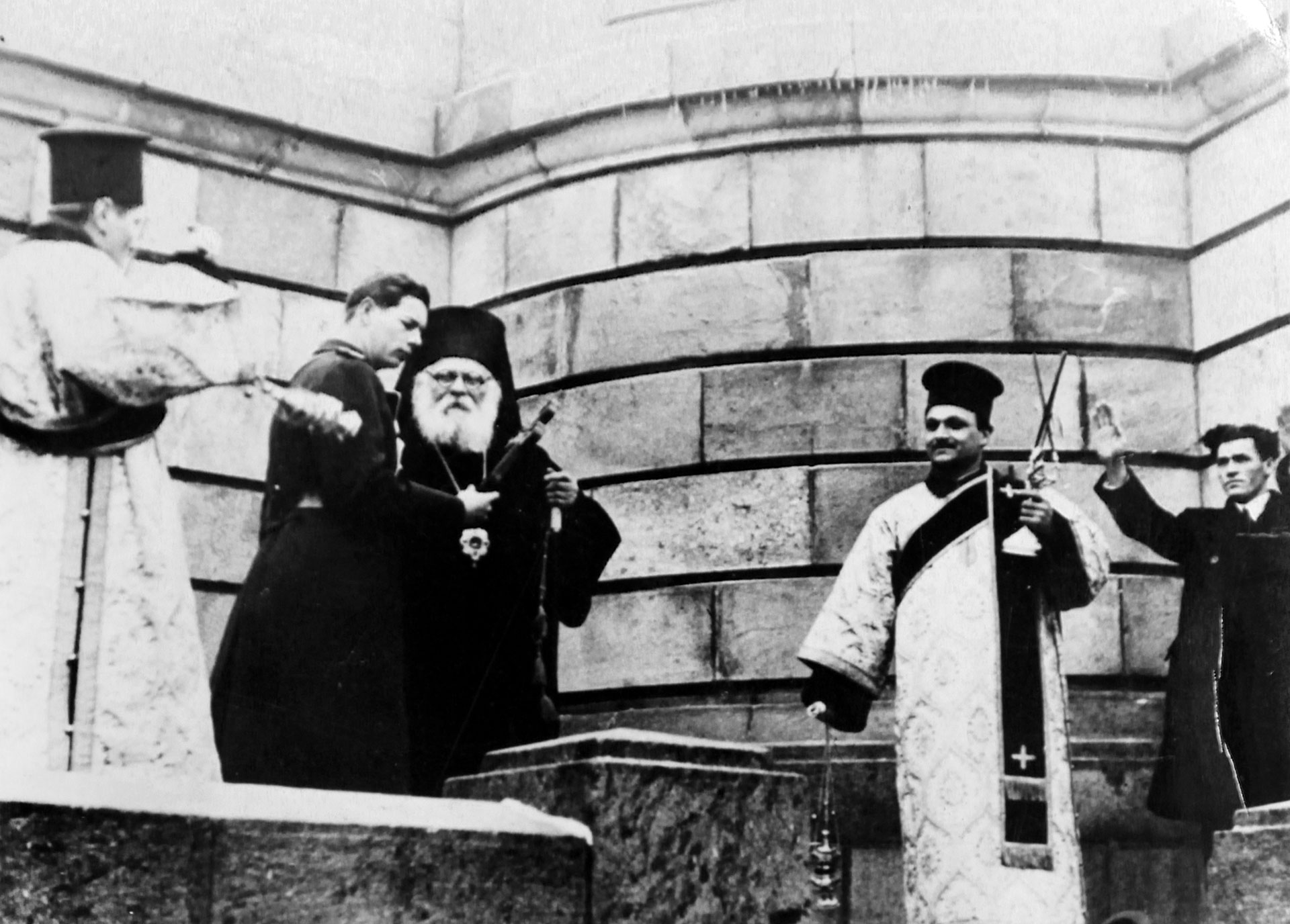
Carol II and Mihai
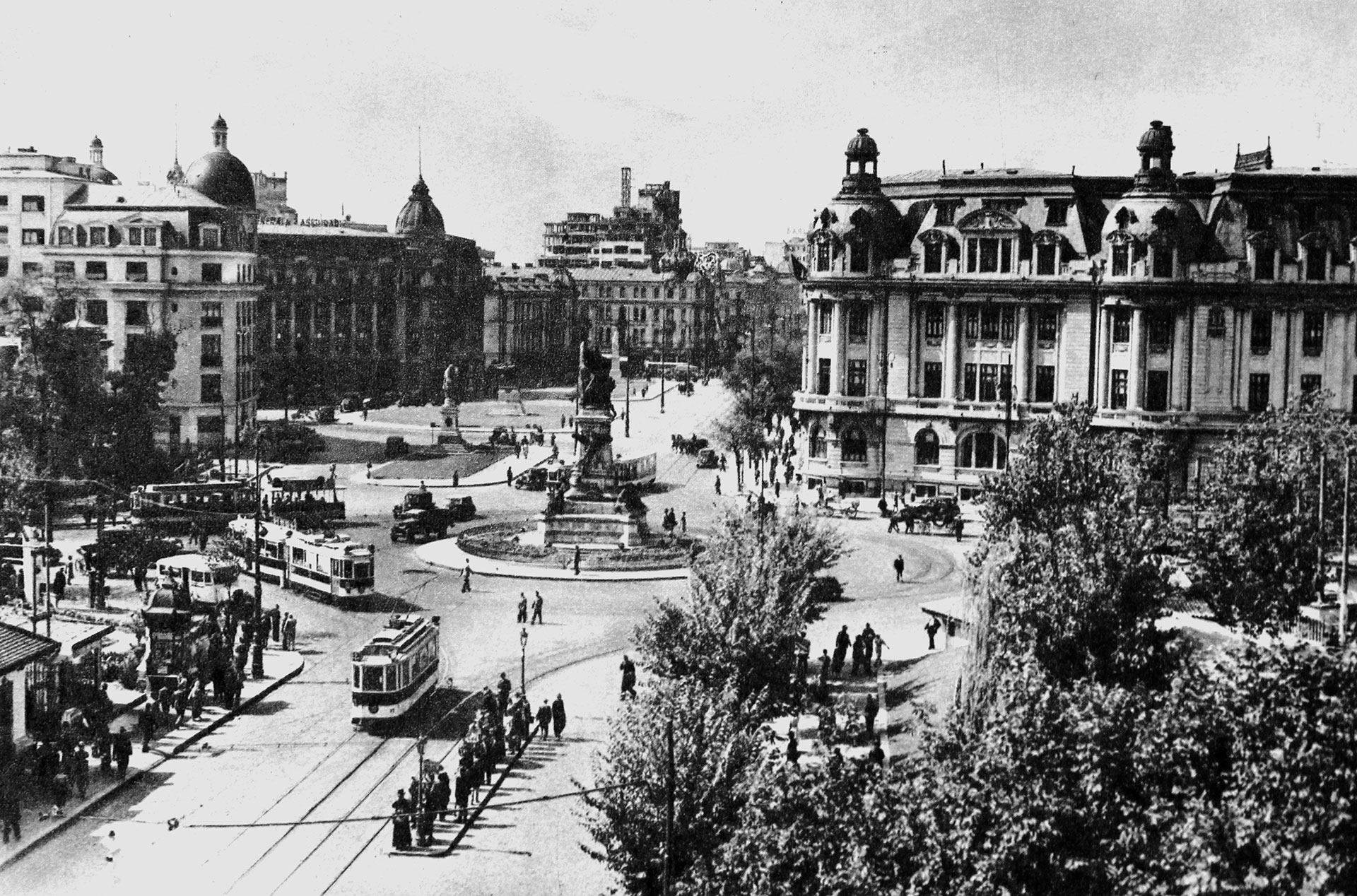
1938 - Brătianu Square, Bucharest
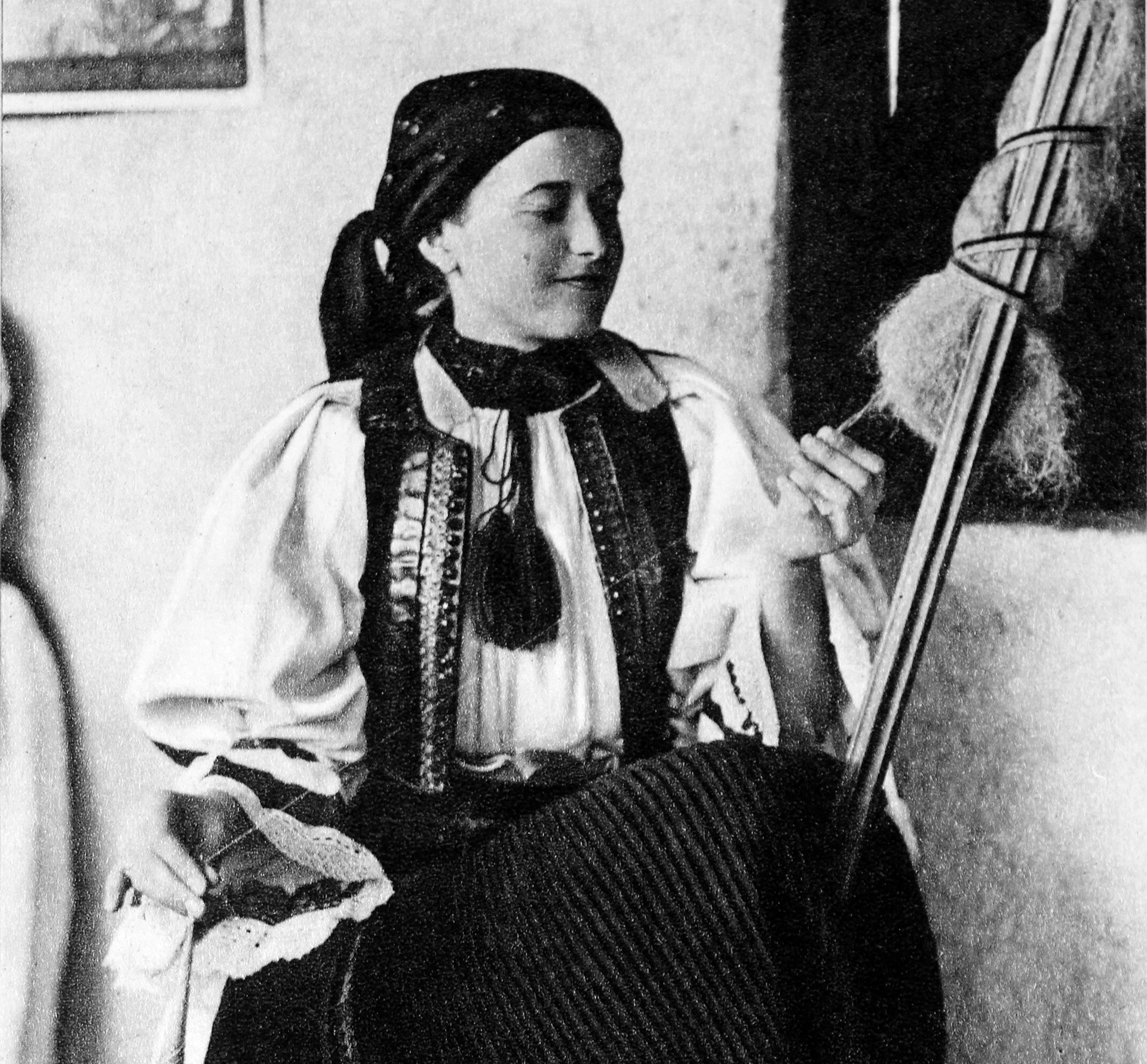
GIRL FROM THE APUSENI MOUNTAINS
The distaff and spindle are her constant companions, at home or out and about in the village.
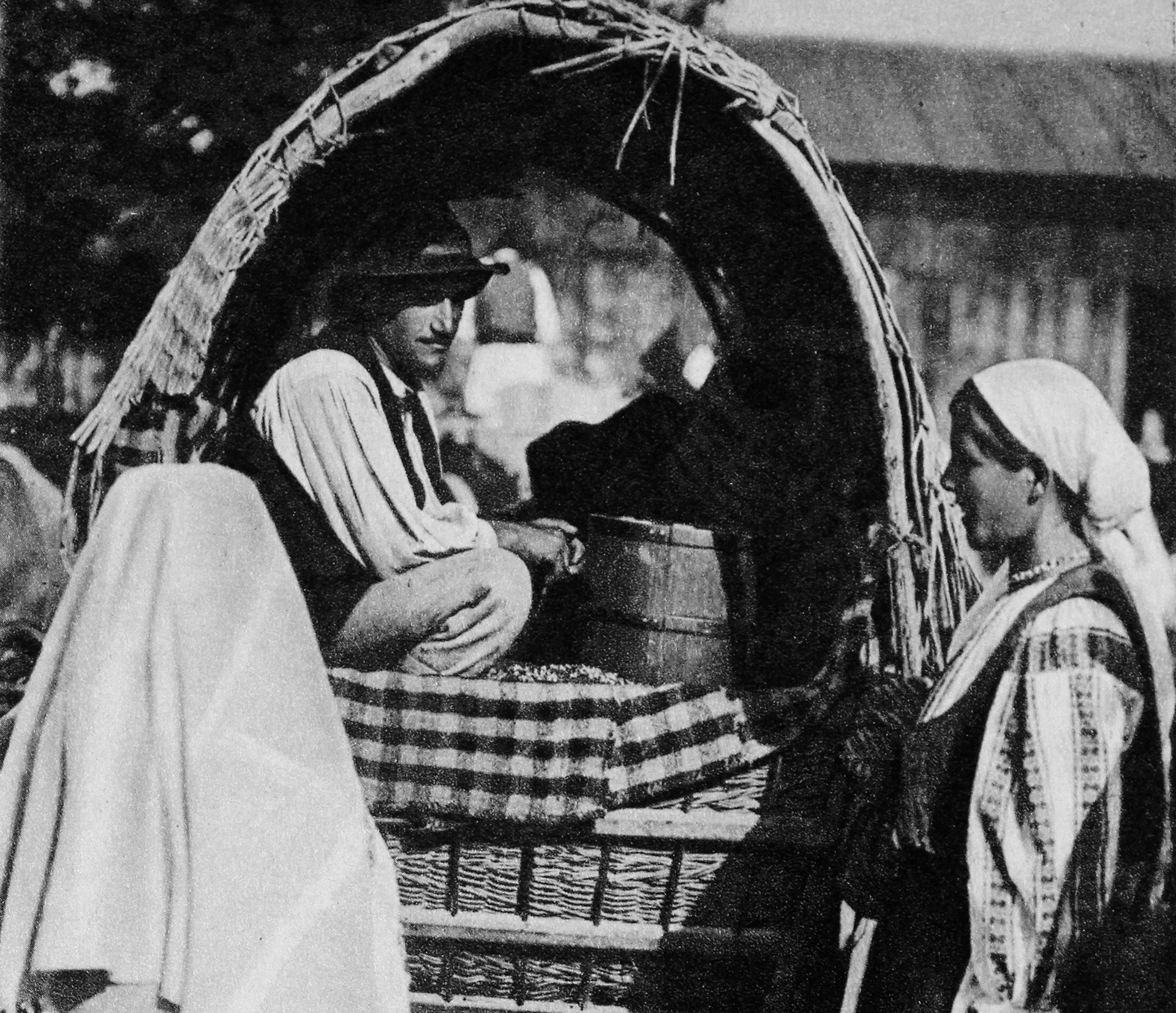
FAIR IN RÂURENI
No fair is busier and livelier than a fair in Oltenia. People buy and sell goods, high-spirited and sharing jokes.
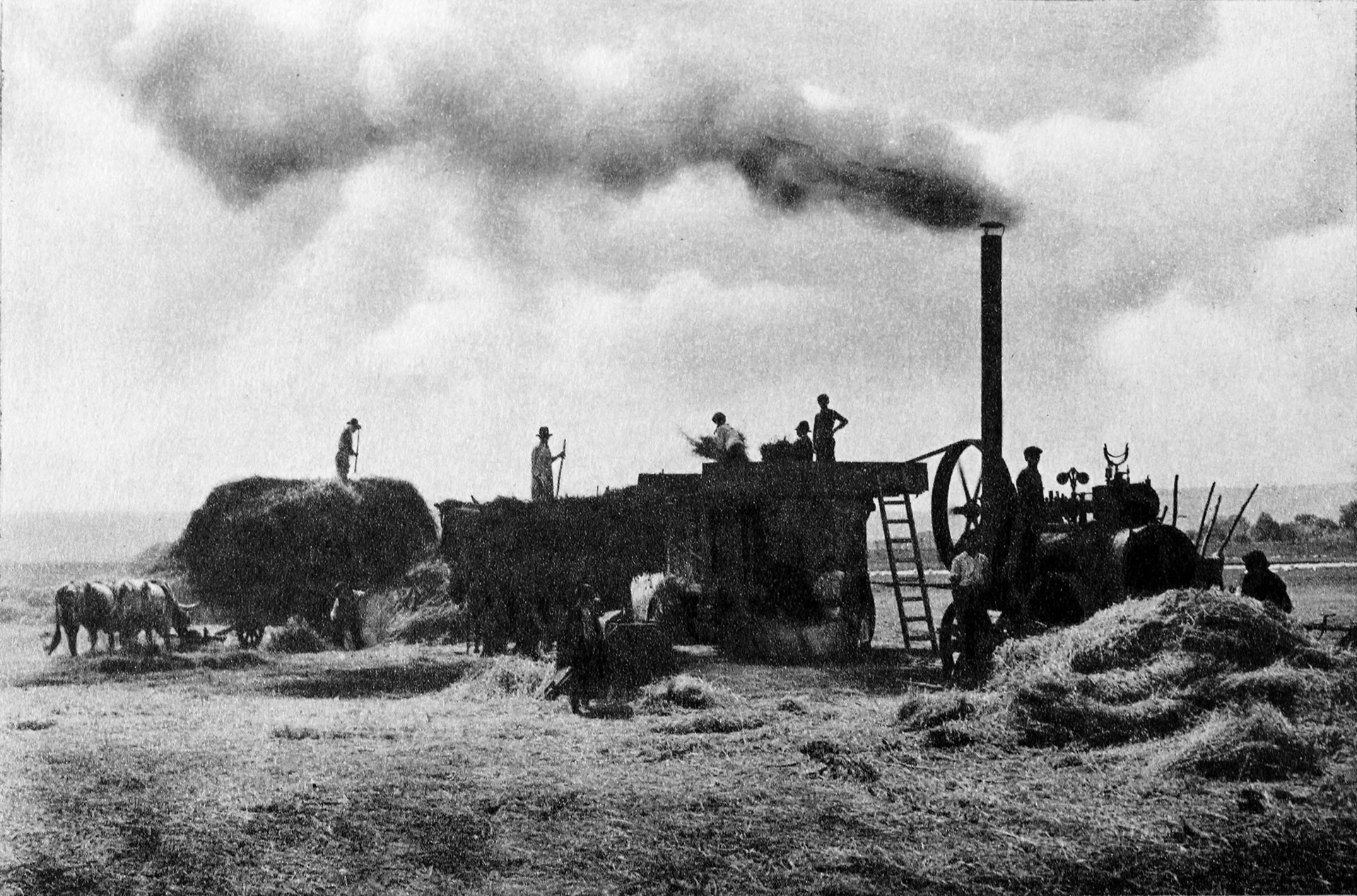
Harvest started in July, in the whole country wheat is plentiful.
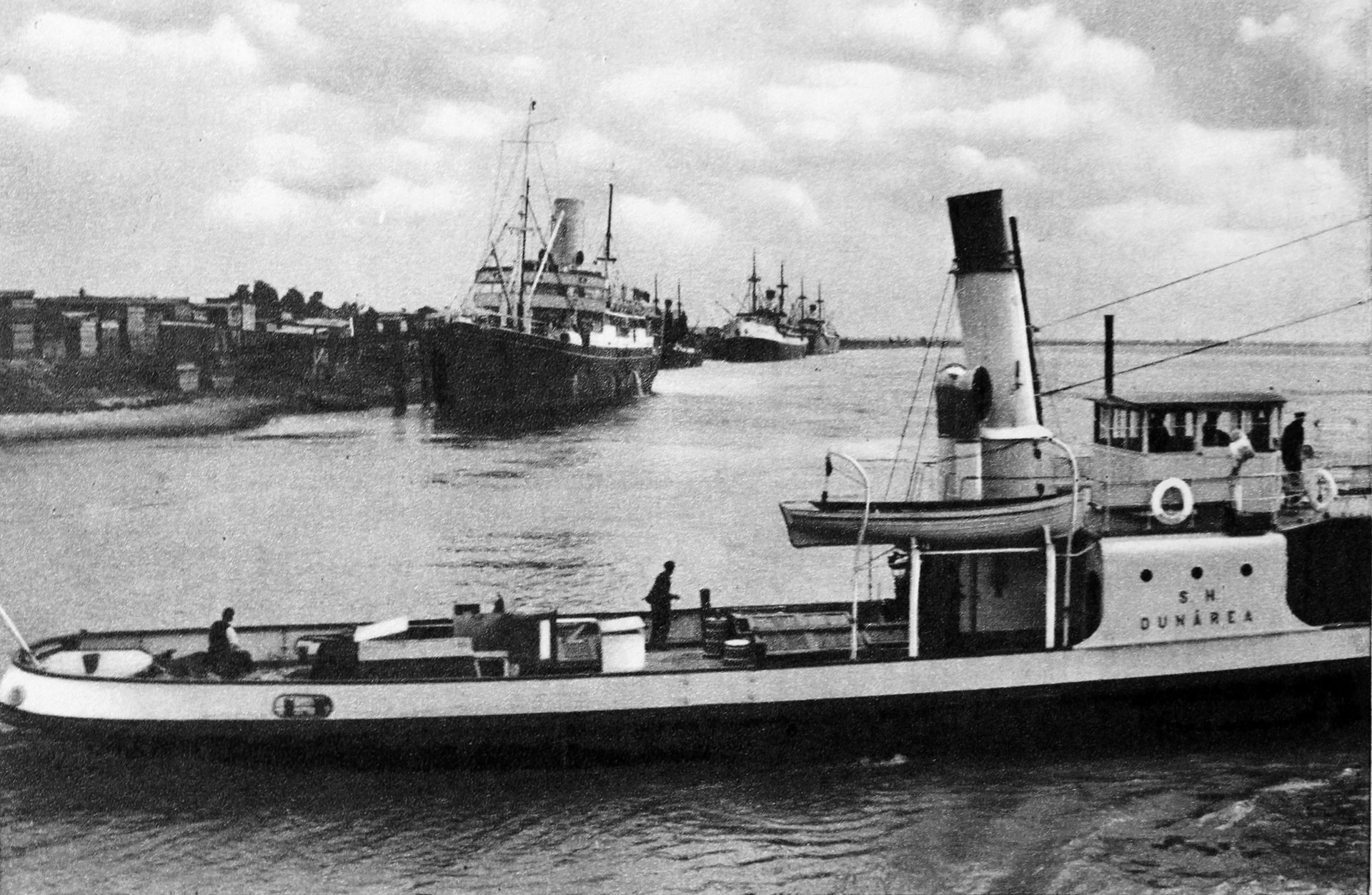
ON THE LOWER DANUBE
In Galați, in Brăila or other ports, the Danube, 'The Dirtless Road', carries ships loaded with merchandise.
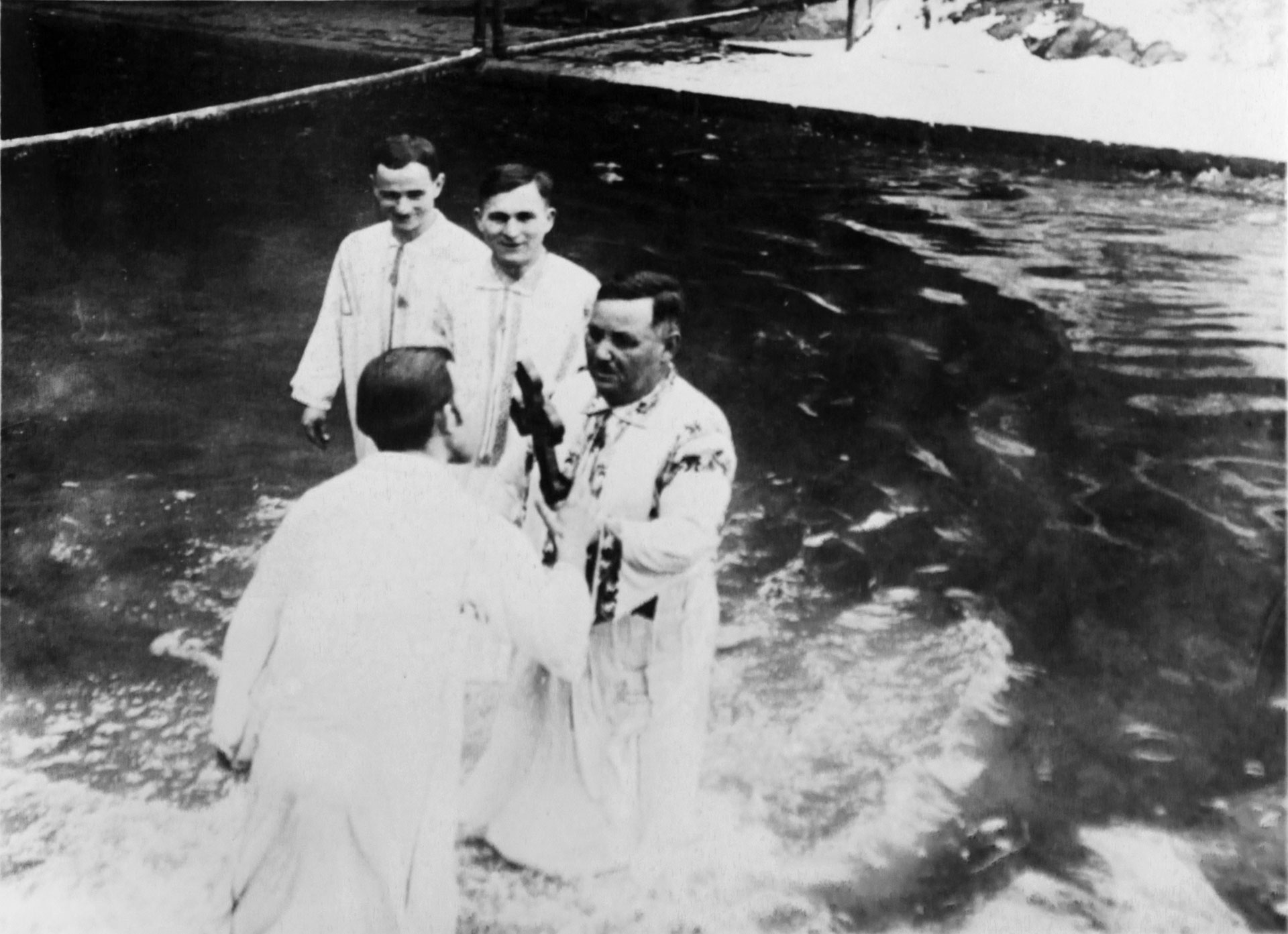
His Majesty King Michael I throws the cross in the Dâmbovița river.
His Majesty King Michael I throws the cross in the Dâmbovița river.
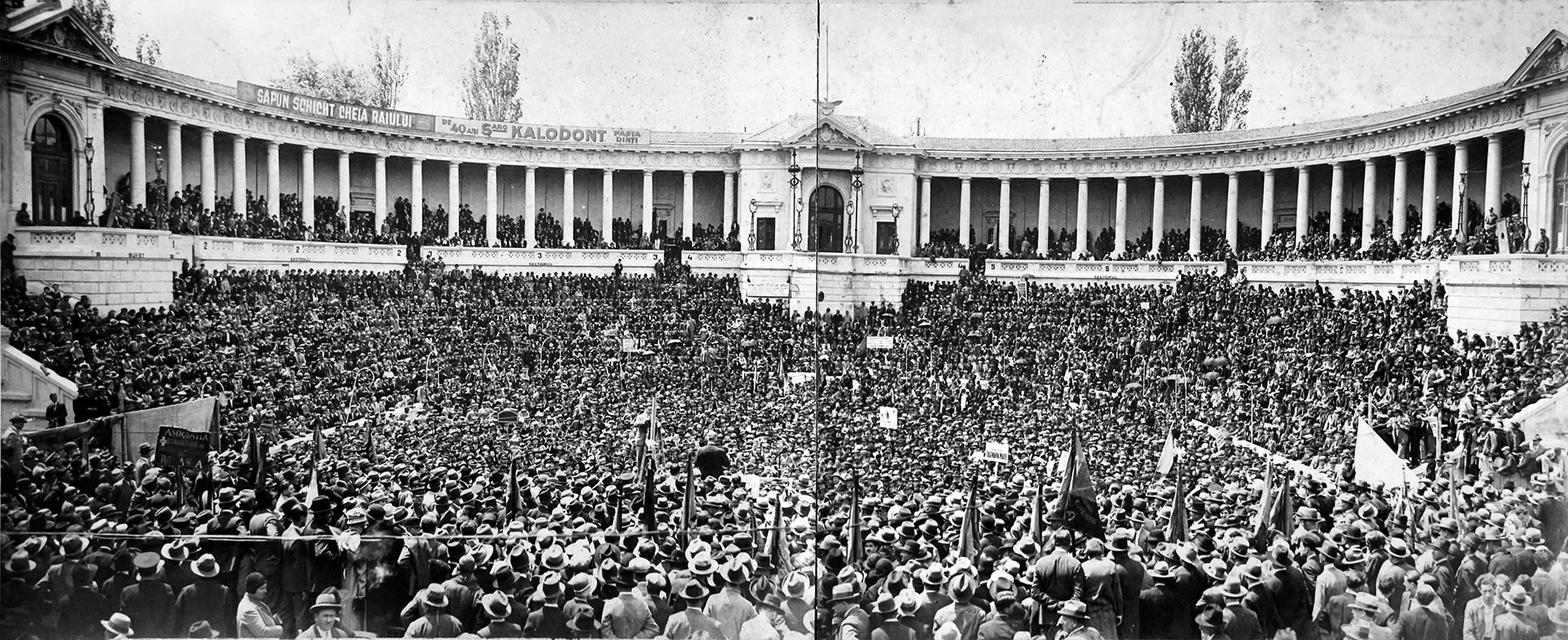
28th of May 1933 - Anti-revisionist assembly in the capital on the 28th of May 1933 at the Roman Arenas.
The Interwar period was a time of contrast and uncertainty. It meant unprecedented economic development (largely based, however, on state capitalism), a close concern for education, and an extraordinary cultural effervescence (at the same time bringing forth a generation of intellectuals who could not find their place in society).
At the same time, it was a time characterized by economic and political instability, corruption, high illiteracy and poverty.
The royal house, a factor of stability and prestige at the time, represented a symbol of national unity, though not spared from controversy, particularly during the reign of King Charles II (1930-1940).