4 / 4
⊳
⊲
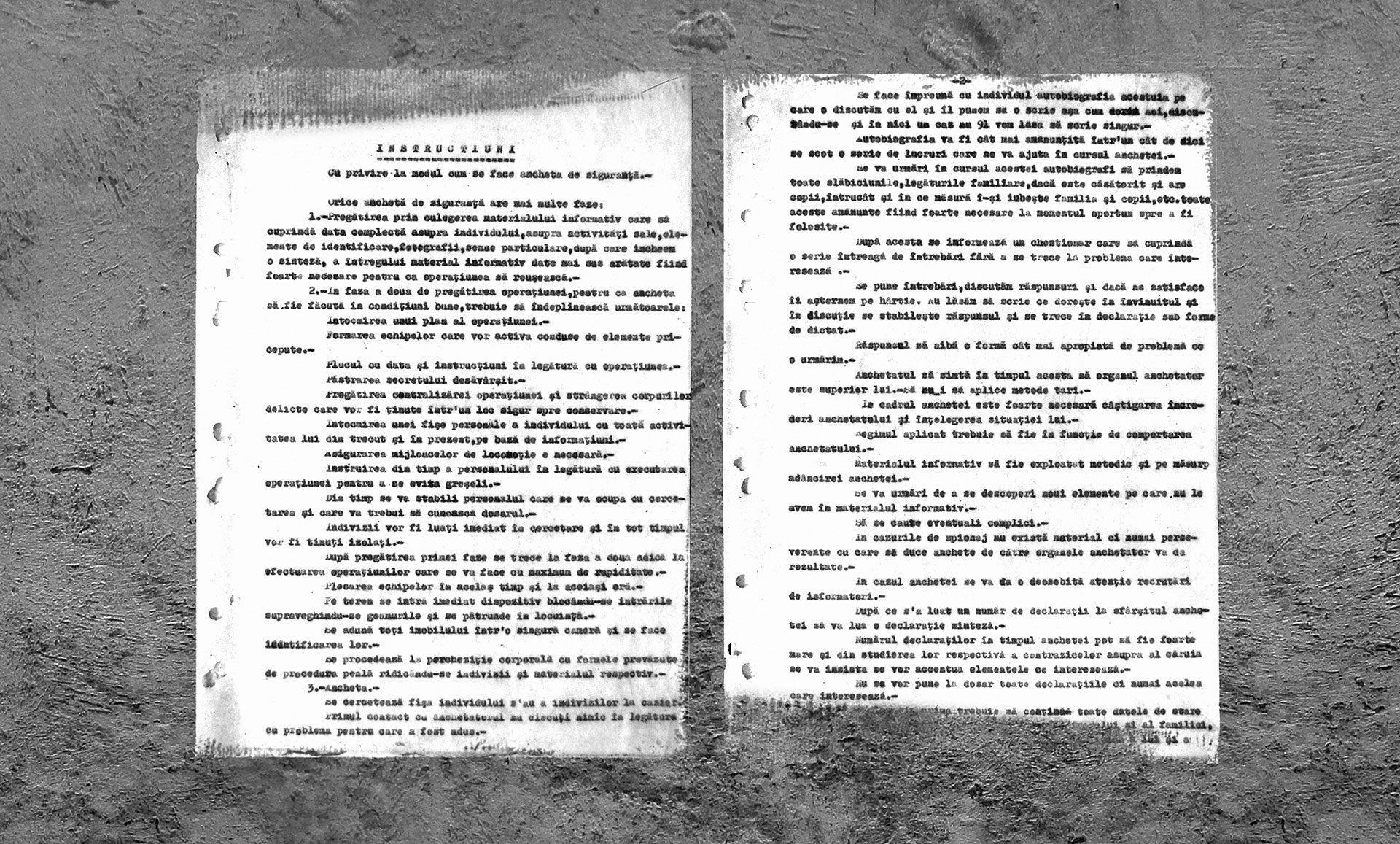
Instructions for carrying out interrogations (Securitate internal document)
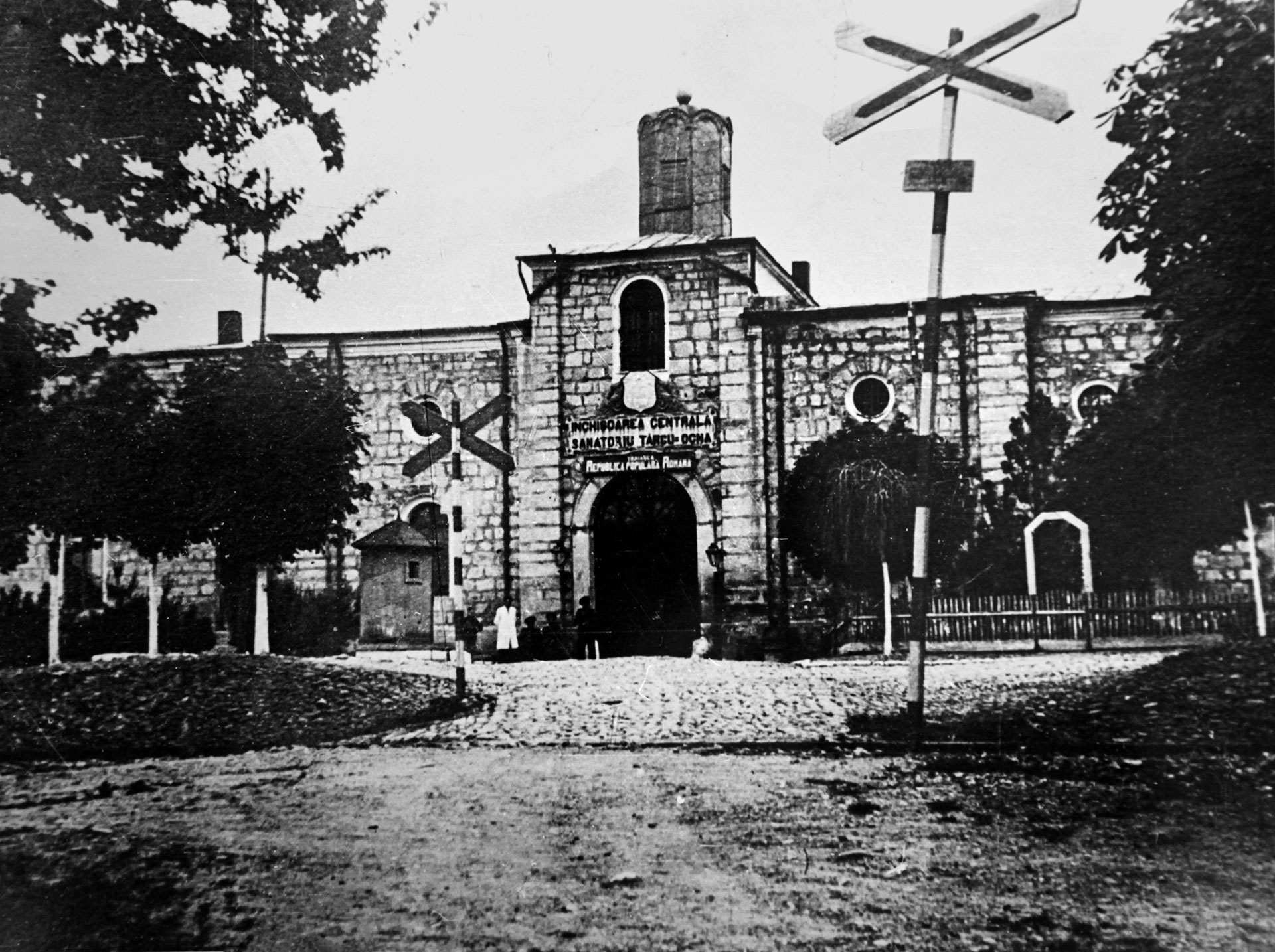
Central Prison/ Sanitarium - Târgu-Ocna
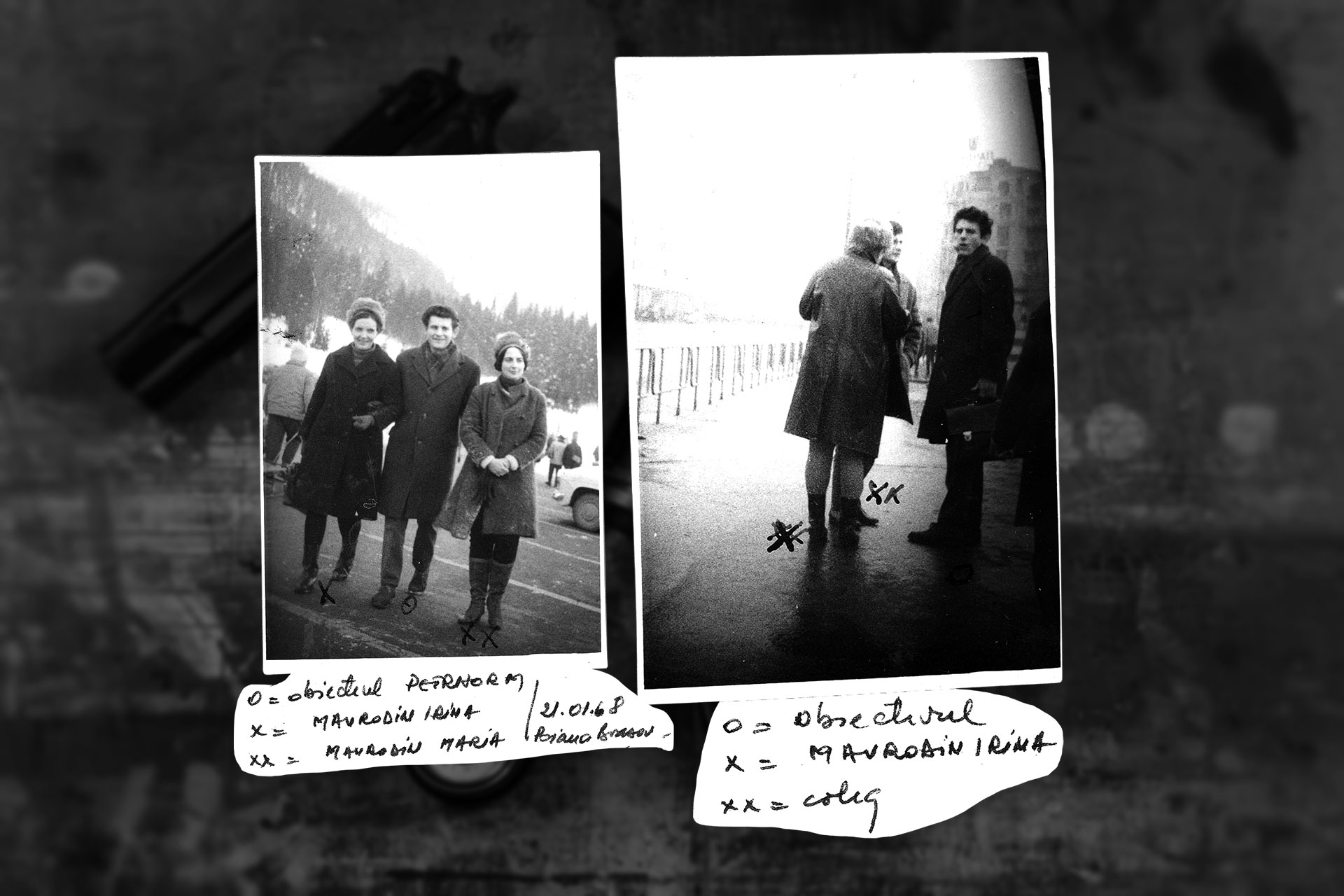
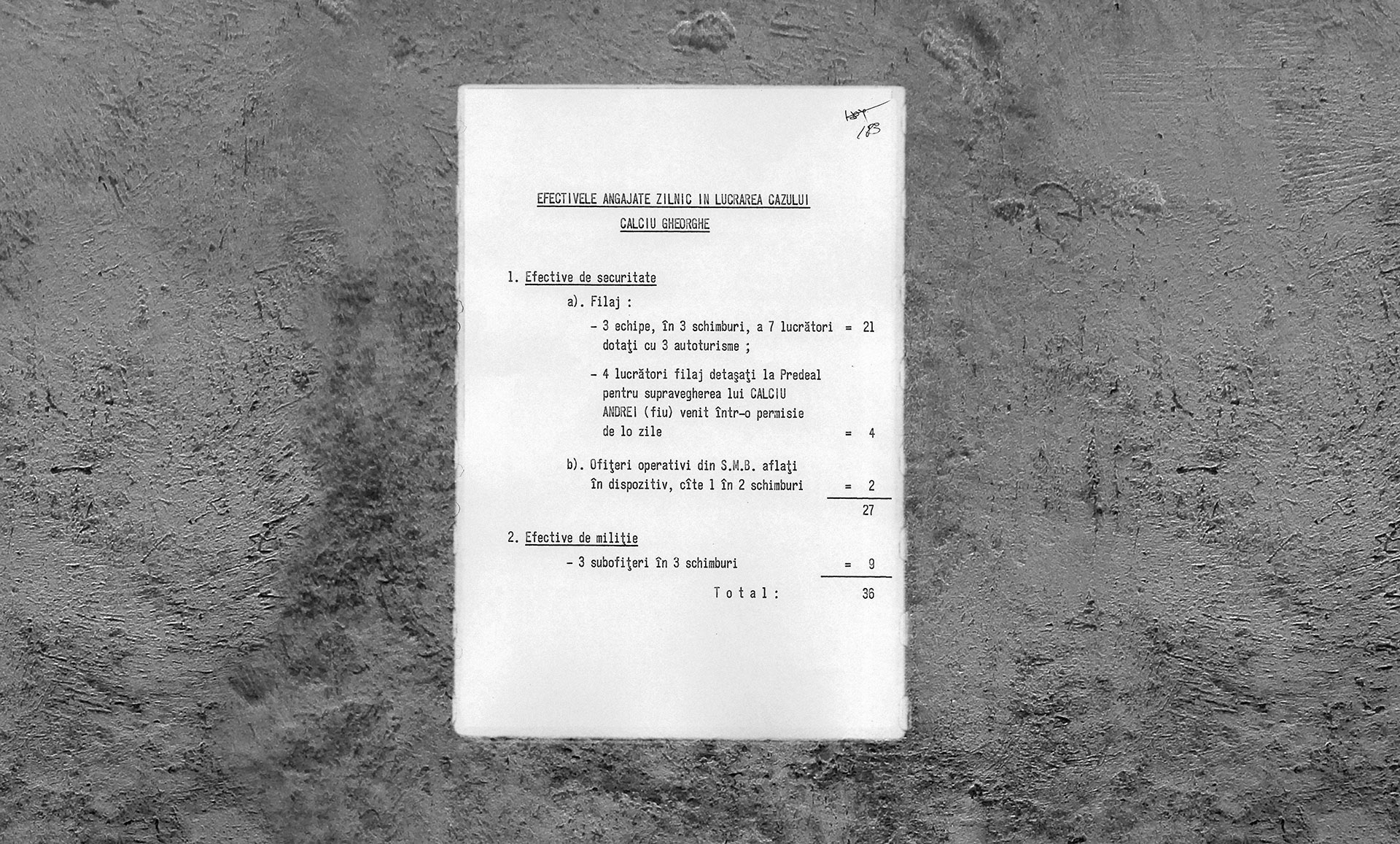
Surveillance file (Scuritate internal document)
Surveillance file (Scuritate internal document)
Ștefan Davidescu was arrested on August 15, 1949, following a search in the middle of the night, and he was taken to the Securitate’s headquarters on Rahovei Street, where he gave the first statements. Declaring he is a student, the investigators came to the conclusion that “student” automatically means „legionary”, so they put young Ștefan through a series of violent beatings. Finally, they were convinced that Ștefan Davidescu was a member of the Peasant Party and not a legionnaire, especially since the Securitate officers already had detailed information about the activities of the group he was part of.
After a few weeks, he was moved to the political police’s detention centre in Ploiești, where he was beaten, amongst others, by a teacher at the church he used to go to during the quiet years of his childhood. The building where he was tortured and incarcerated was only a few street numbers away from his family's home, who had no information about where Ștefan Davidescu was.
Once the investigation was completed, he was transferred to Brașov Prison, where he found his colleagues from the group. Initially sentenced to ten years of imprisonment, his sentence was reduced to three years after his appeal and he was sent to the Aiud Penitentiary for the carrying out of the conviction.

The number of people detained and sentenced for political reasons between 1944-1959, according to a Ministry of the Interior internal statistic.
THE SECURITATE
The General Directorate for the Security of the People ('Securitate') was created on the 30th of August 1948, initially headed by NKVD agents.
Nicknamed 'the armed hand of the Party', it had an essential contribution to the communist government's consolidating its power. The number of Securitate agents increased from around 5,000 in 1948 to 14,259 in December 1989. Additionally, there were 150,000 people that were part of the Securitate troops, which effectively annihilated armed resistance groups and repressed peasants opposing collectivization.
An important role in the activity of the Securitate was played by its network of tens of thousands of informers.