
2 / 2
⊳
⊲
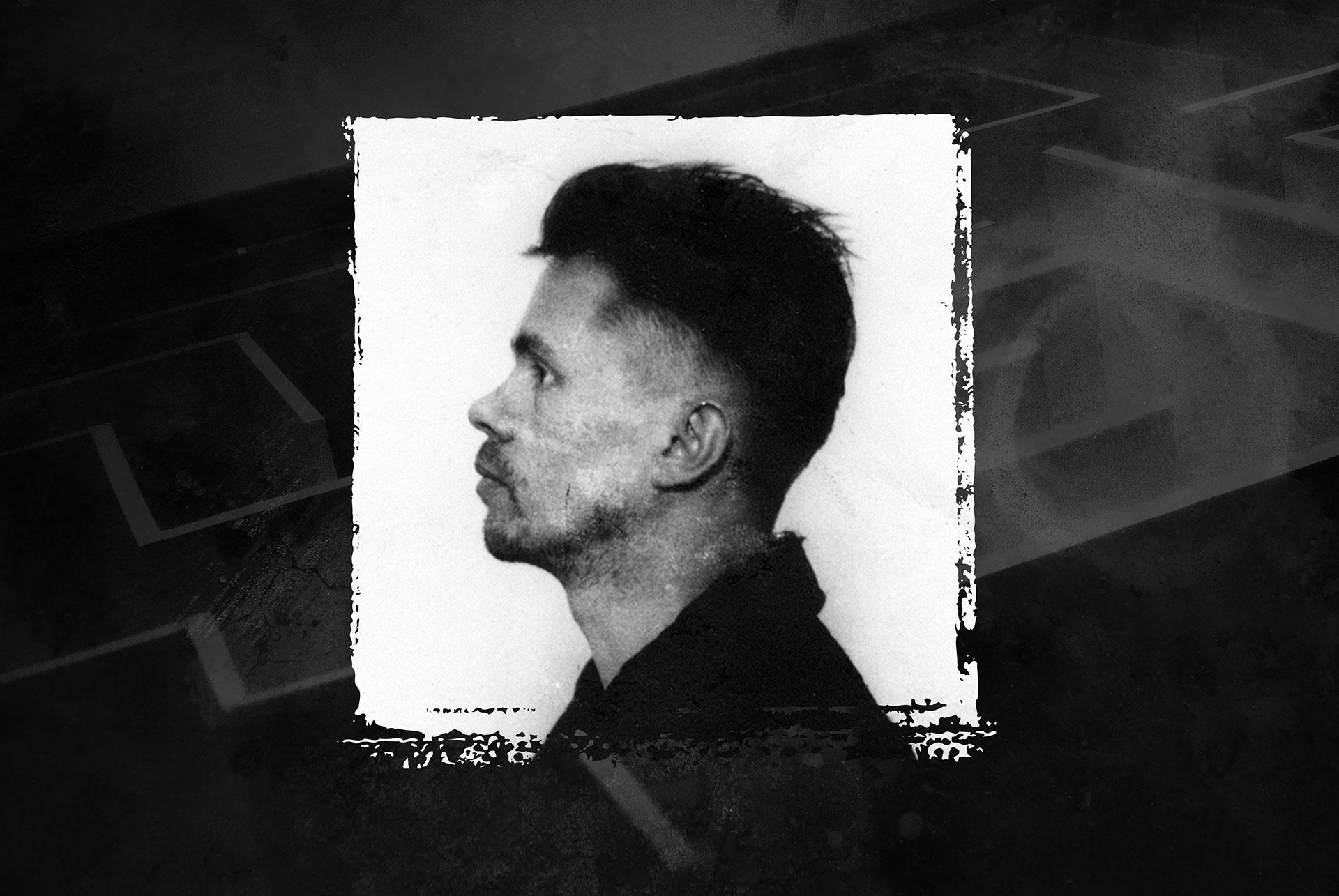
Cornel Pop
arrest photo
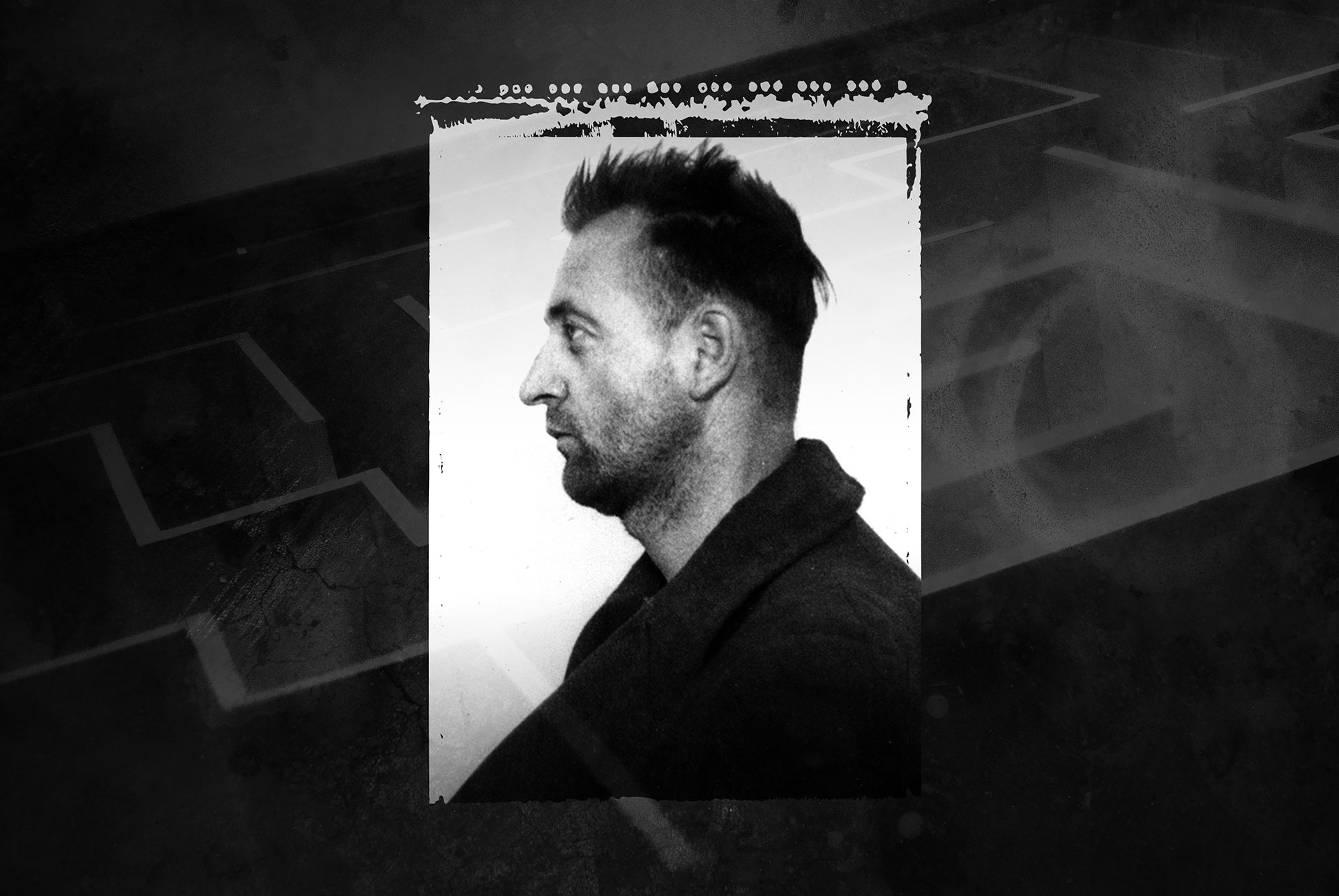
Octavian Voinea
arrest photo
The young men who endured the beatings and unmaskings in Pitești prison reacted differently, depending on their inner structure and resilience, but particularly on the gravity and duration of the beatings. Resistance was almost impossible. Depending on the context, some became informers, others monitors, some aggressors of the newcomers. However, there were cases of resistance, though extremely rare, especially among those in the last groups to arrive here.
Cornel Pop one of the student leaders among the legionaries of Transylvania, was tortured for months for his rich anti-communist activity. He tried to resist physically, but torture left him with no meat on his buttocks and his hair turned grey. He gave in to the violence, became an informer, then aggressor in several rooms in the prison. Eugen Țurcanu, who used him as an assistant after personally torturing him, thought he was 'an honest character, intelligent and wise […] no villainy in his heart.' He was sentenced to death in the Țurcanu Trial and executed in December 1954, at only 30 years of age.
”So far I'd been a victim... From here on I was looking at the misfortune of having to partake in crushing the souls of others. From devoted and honest people, I was supposed to turn them into traitors, villains and spies against themselves. Lord, how I wished to prevent that and continue to be tortured... I was telling myself this in rare moments of lucidity, but I knew I wouldn’t have resisted.”
Octavian Voinea
”They took me to the barrel filled with fecal matter:
Baptize him!
[…]
I was horrified by the hatred, by the humiliation. Then, something shattered inside me and I lost myself. I no longer felt any pain, any fear, as if I was living in another world. My pain was no longer my own. I had become numb. I could not hear the cries of others, I could not see the blood gushing out from others. I lived while not living. I was and yet I was not. And I was sinking more and more into the darkness, into oblivion. I don't know how long I was tormented by this state.
A long time after that, Ghiță Reuș, my colleague, told me that I got to the point where, after washing the waste barrel, I was drinking water out of it.”
Nicolae Purcărea