
3 / 3
⊳
⊲
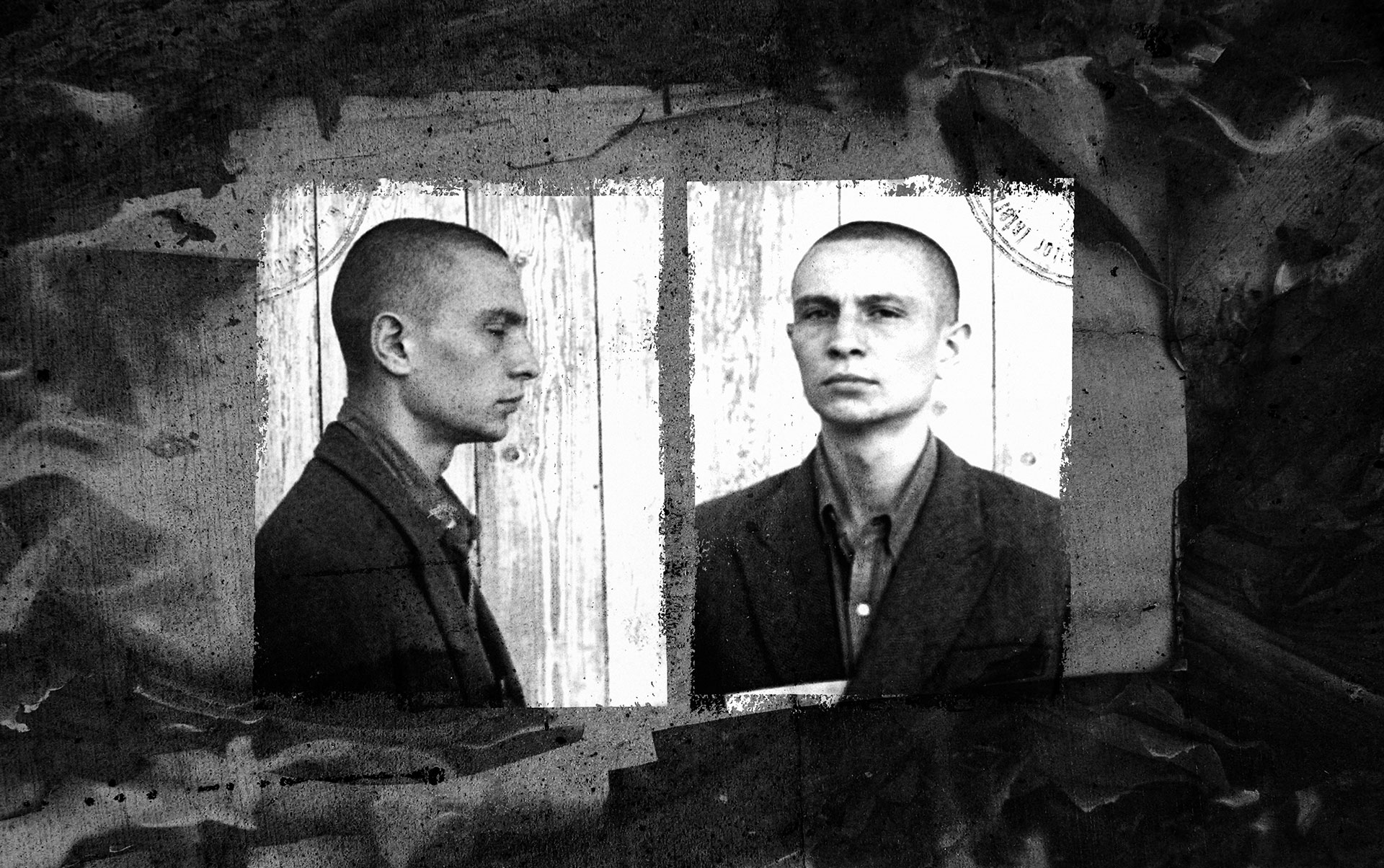
Mihai Buracu
arrest photo
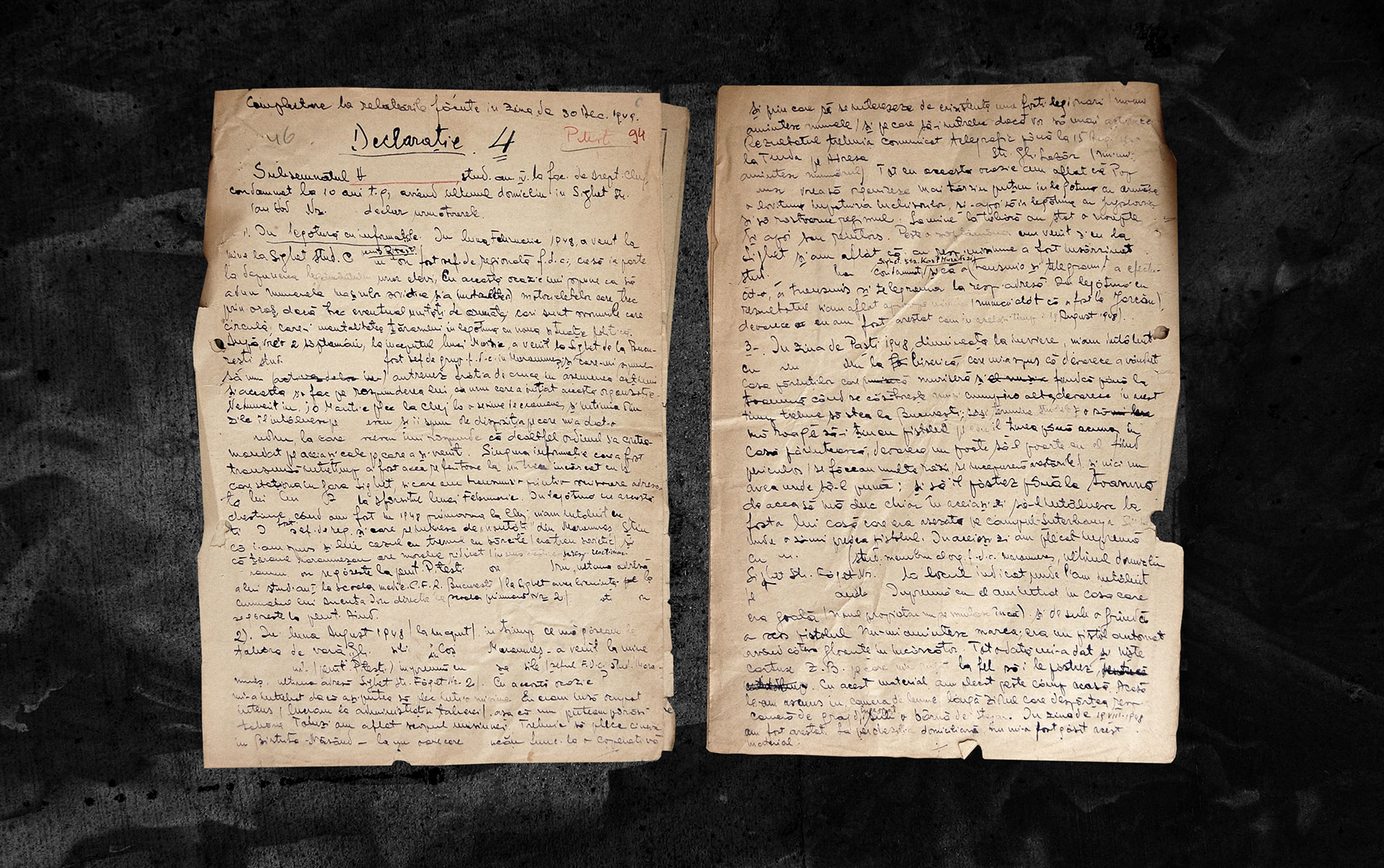
Original unmasking
written in Pitești on the 18th of March 1950
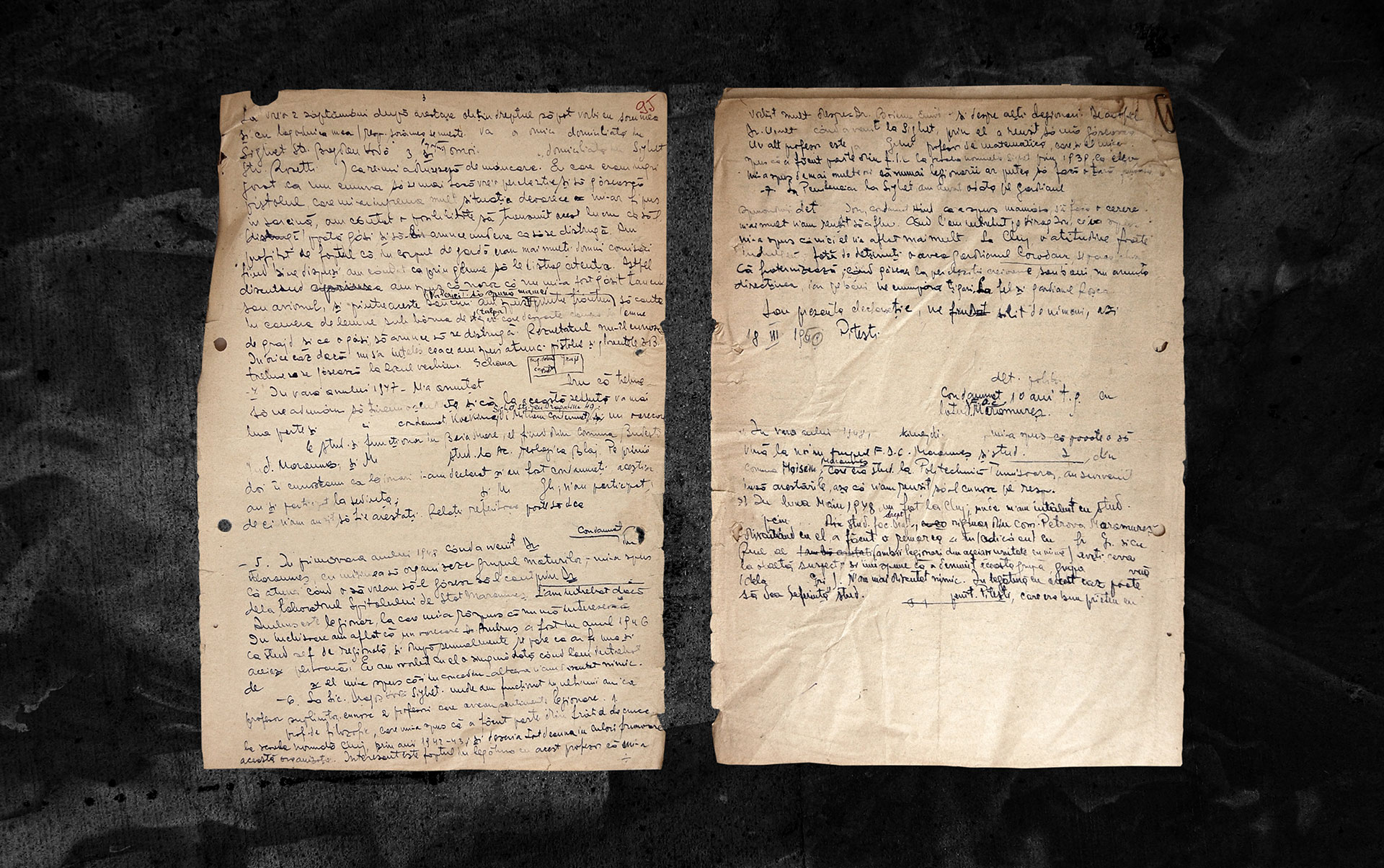
Original unmasking
written in Pitești on the 18th of March 1950
After physically and mentally annihilating their victims through group and individual torture, the aggressors told them they had to renounce their old personality. In order to be released, inmates had to 'unmask'. This was demanded by the Securitate, which needed information in order to arrest everyone who thought and acted against the regime.
Outer Unmasking
The committee of aggressors threatened the victims in order to obtain any information on their activities against the regime. The aggressors compared the information with that obtained during the conversations they had before. Refusal to talk led to increased violence. Once the victims started talking, they had to give written statements, in an improvised office provided by the authorities to Țurcanu in the bathroom.
Inner Unmasking
After writing their statements, the victims were forced to renounce their family, their values, faith and friends in front of everyone, by verbally abusing their parents, their siblings, their friends and teachers, but also by blasphemy. In order to avoid torture, some inmates had to invent situations that showcased the moral decay of their loved ones, which led to psychological shocks.
THE BLACK MASSES
”Preparations were being made for satanic rituals. The roles were distributed and I was happy to be given the role of the donkey for Palm Sunday, bearer of the crucified one. There was no easier punishment. I was supposed to be the donkey that would carry Jesus of Pitești into the Jerusalem in Room 4 Hospital on Palm Sunday 1951. The guards brought crowns of thorns, bats instead of willow branches, Pontius Pilate of Pitești even sentenced him to a mockery crucifixion on the barrel filled with feces. Curses and obscene songs accompanied everything. They yelled sickeningly Let him be crucified!. Each of us wished for our own crucifixion, a state of non-existence, even at the supreme price of losing the redemption of the soul.”
Mihai Buracu
”Easter was getting closer in the shadow of the unmaskings in Pitești (1951). I could see the ones from the opposing side putting up scenes – utterly blasphemous – featuring The Redeemer and the Holy Virgin.
The most disgusting words were being uttered, scenes that desecrated holy figures in most disgusting ways, and we had to bow to them and repeat phrases that defied logic. If the 1950 Easter was enveloped in physical torture, in 1951 Easter saw a moral abjection beyond the unimaginable.”
Aurel Vișovan