
2 / 2
⊳
⊲
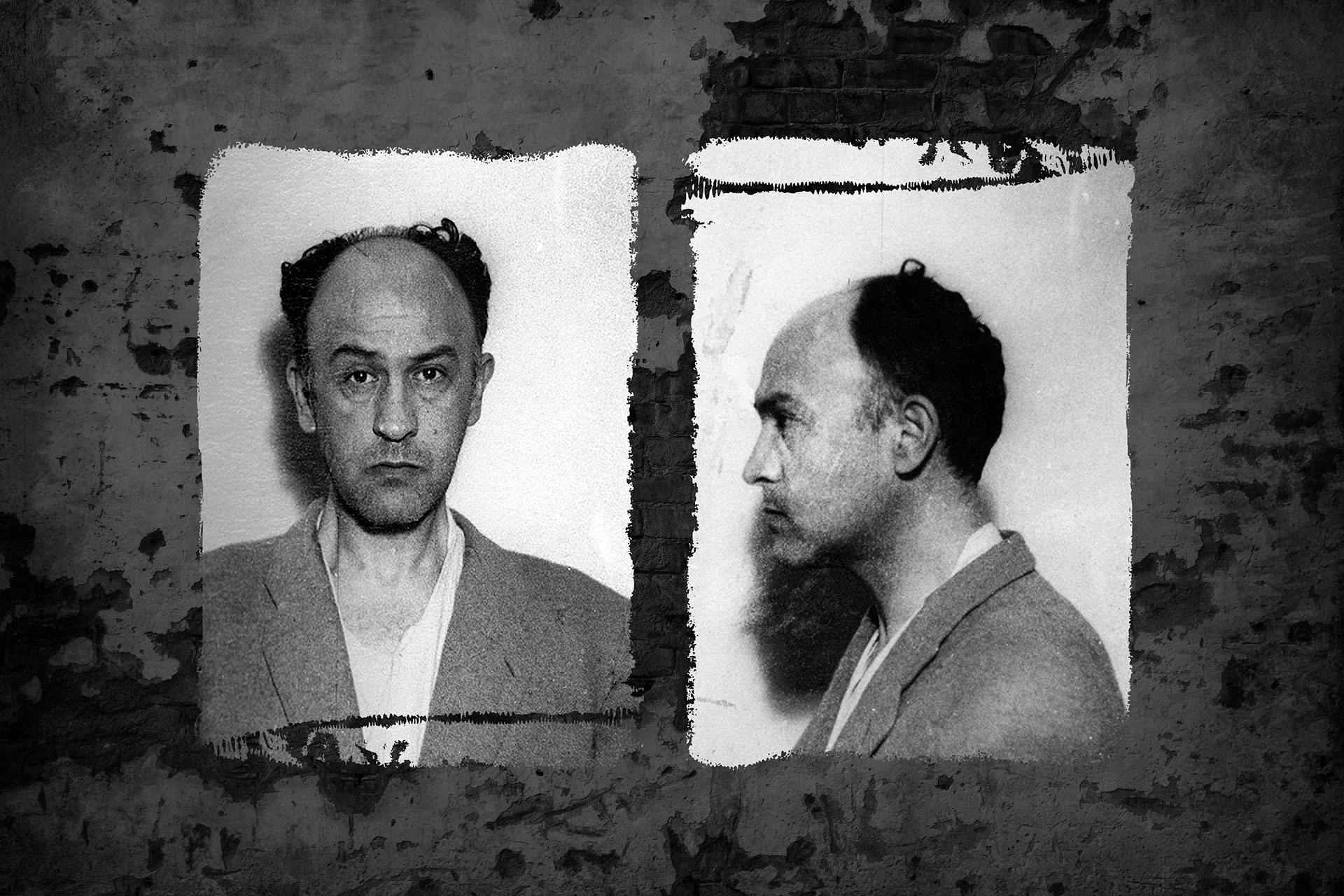
Tudor Sepeanu
arrest photo
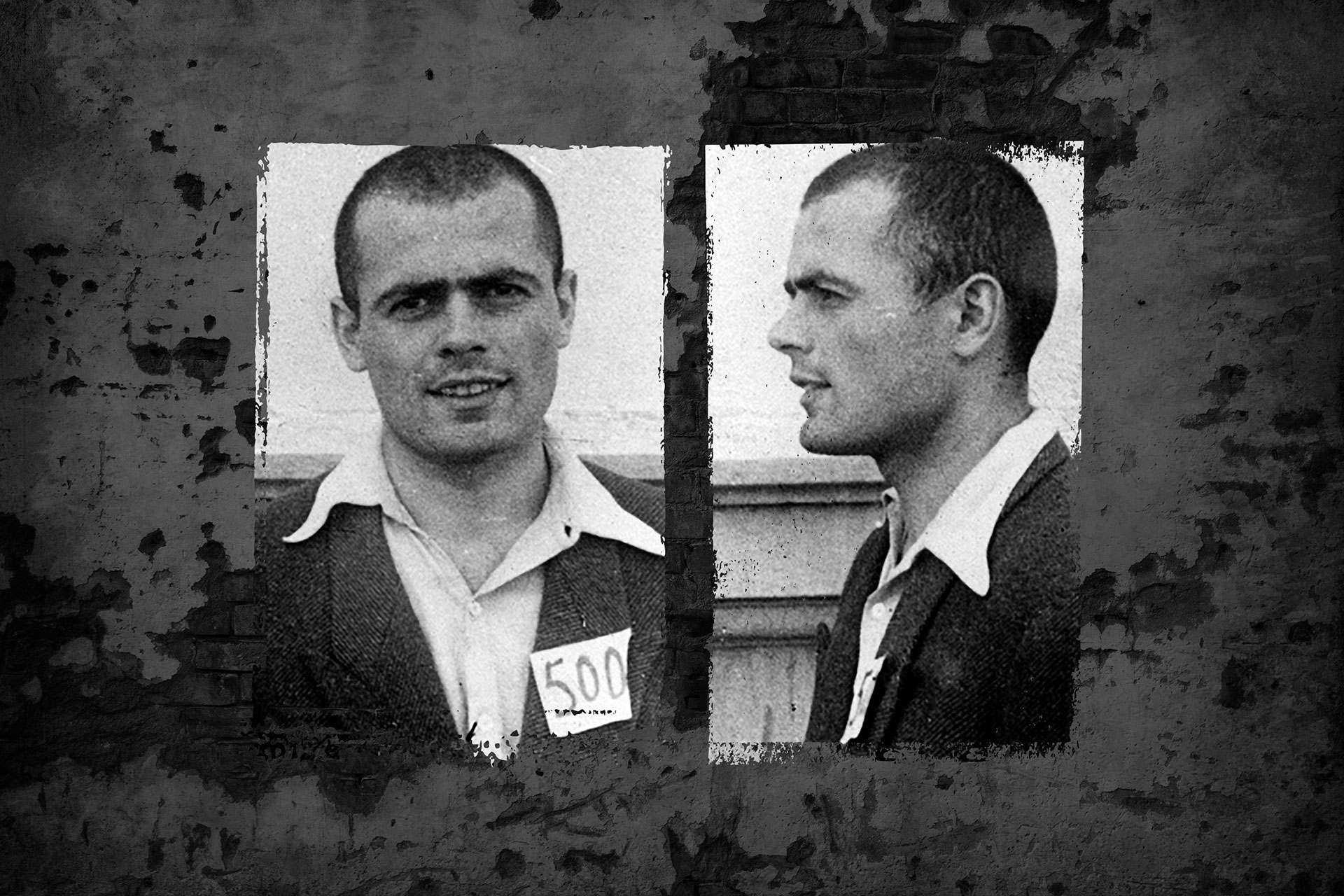
Eugen Ţurcanu
arrest photo
The origins of the Pitești phenomenon can be found in Suceava penitentiary, in the autumn of 1948.
Two prisoners showed their willingness to engage inmates in pro-communist movements: Alexandru Bogdanovici proposed a formal ideological reeducation, while Eugen Țurcanu was trying to organize a network of informants. With discreet but substantial support from the Securitate, Țurcanu was successful, and became the leader of 'reeducation'. Eugen Țurcanu was sent to Pitești Penitentiary with a group of prisoners he was close to in April 1949, after several rounds of discussions with Securitate representatives.
EUGEN ŢURCANU
A law student at Timișoara University, Țurcanu had ties with the youth organizations of the Legionary Movement in his high school years. In 1945 he joined the communist youth organization, and in 1947 the Communist Party, but he was still arrested when the legionaries were rounded up in 1948. Eugen Țurcanu wanted to form a network of informants. Ambitious, intelligent, thirsty for revenge and unscrupulous, he was the perfect agent for the Securitate. He soon turned from informer to leader of the violent action in Pitești. He was responsible for the torture of hundreds of students, and for the death of at least five. He was subsequently condemned to death by the very regime he had served, and executed in Jilava in December 1954.
"On the 19th of April, 1949, the first group from Suceava prison arrived. I knew nothing about of their beliefs or how they were organized. We were sneaking into each of our cells and talked in a friendly and honest manner about all that we knew. Țurcanu kept asking me:
Hey, are you holding on to your beliefs?
Of course, I answered, what kind of people would we be if after a few months in prison we'd turn scared and betray our colleagues?
He asked me who were the leaders of the inmates; he was only interested in brave people, and I kept telling him everything, what I thought was right and true. I did not suspect the villainy hidden behind his words. Around ten days later, all of a sudden the guards locked the cells, instituting an extremely severe regime of maximum security. They stopped allowing us to carry our monitoring duty on the corridors, that task was taken over by Țurcanu and the people in cell 6."
Gheorghe Soroiu
THE ROLE OF THE SECURITATE
The history of the Pitești phenomenon is tied closely to the creation of a special structure of the Securitate in penitentiaries. The role of the Operative or Inspection Service was to gather information on the inmates, but also on the personnel in the system. Shortly after, every major prison in the country had a political officer that coordinated the informant networks.
Between 1949 and 1951, this service was led by two Securitate colonels, Iosif Nemeș and Tudor Sepeanu. The two were carrying out the orders of Gheorghe Pintilie (the head of the Securitate), and sent in information obtained through torture, which became the basis for further arrests.
”The severe regime started in the autumn of 1949. If until then I used to get a brochure once in a while, even getting one from home, as soon as the Suceava group walked in, everything tightened up.
They confiscated all the brochures, the books, you were not allowed to look out the window, not to mention the food situation. The food was pickled green tomatoes with... you won't believe this, you'll think I'm exaggerating, but it was hooves, not meat. We were not allowed to talk or to get parcels anymore.”
Gheorghe Plop